iGEN
Visit IGEN World Explore IGEN Expo
EXPLORE UPGRADE PLANS
BREAKING
CMA CGM and Stonepeak Launch United Ports LLC in $2.4 Billion Terminal Joint Venture UPS shift away from Amazon shows bigger payoff Lanesurf: 62% of Loads Get Vetted Carrier Offers Before Brokers Arrive India-China Border Trade Via Lipulekh Resumes Aug 1; China Permits 20 Traders Geopolitics Drives CMA CGM Q2 Profit Surge of 42% as Volumes and Rates Climb Benchmark Diesel Price Rises Third Week as Futures Plunge; Spread Hits Record Indian Government Limits Sugar Dealers to 400 Tonnes Stock Until November to Curb Hoarding Tenants signing longer leases for larger warehouses as 3PLs lock in capacity US stock market flat as S&P 500 and Dow barely move, Nasdaq slides over 1% on chip rout TruAlt Bioenergy Q1 Net Zooms to ₹59.27 Crore on Higher Revenues, Capacity Expansion CMA CGM and Stonepeak Launch United Ports LLC in $2.4 Billion Terminal Joint Venture UPS shift away from Amazon shows bigger payoff Lanesurf: 62% of Loads Get Vetted Carrier Offers Before Brokers Arrive India-China Border Trade Via Lipulekh Resumes Aug 1; China Permits 20 Traders Geopolitics Drives CMA CGM Q2 Profit Surge of 42% as Volumes and Rates Climb Benchmark Diesel Price Rises Third Week as Futures Plunge; Spread Hits Record Indian Government Limits Sugar Dealers to 400 Tonnes Stock Until November to Curb Hoarding Tenants signing longer leases for larger warehouses as 3PLs lock in capacity US stock market flat as S&P 500 and Dow barely move, Nasdaq slides over 1% on chip rout TruAlt Bioenergy Q1 Net Zooms to ₹59.27 Crore on Higher Revenues, Capacity Expansion
Home ›› Logistics ›› Rail Road ›› India's First Hydrogen Fuel Cell Train Covers 900 Km in Five Days on Jind-Sonipat Route

India's First Hydrogen Fuel Cell Train Covers 900 Km in Five Days on Jind-Sonipat Route

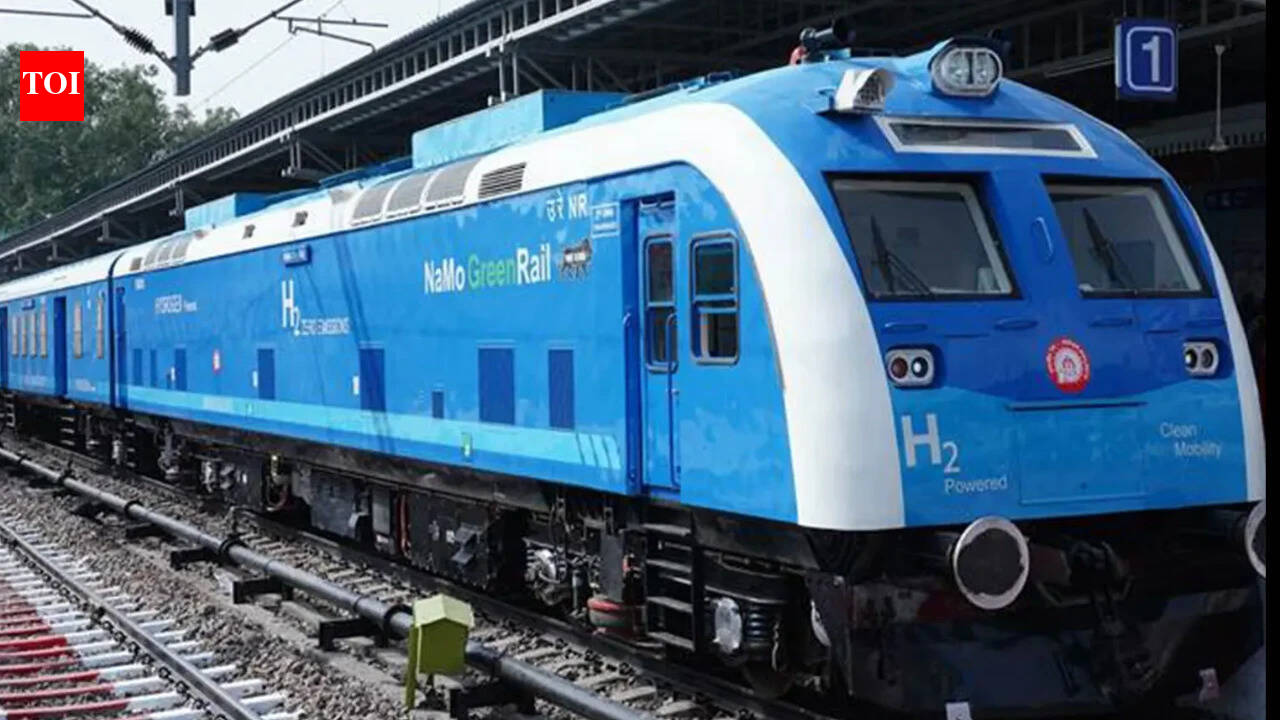
India's first hydrogen-powered passenger train has covered approximately 900 kilometers in its first five days of commercial service on the Jind-Sonipat route in Haryana. The train, flagged off by Prime Minister Narendra Modi on July 17, uses hydrogen fuel cell technology and emits only water vapour. The pilot project aims to explore cleaner alternatives for routes where full electrification is not feasible.

iG
iGEN Editorial
July 23, 2026
India's First Hydrogen Fuel Cell Train Covers 900 Km in Five Days on Jind-Sonipat Route

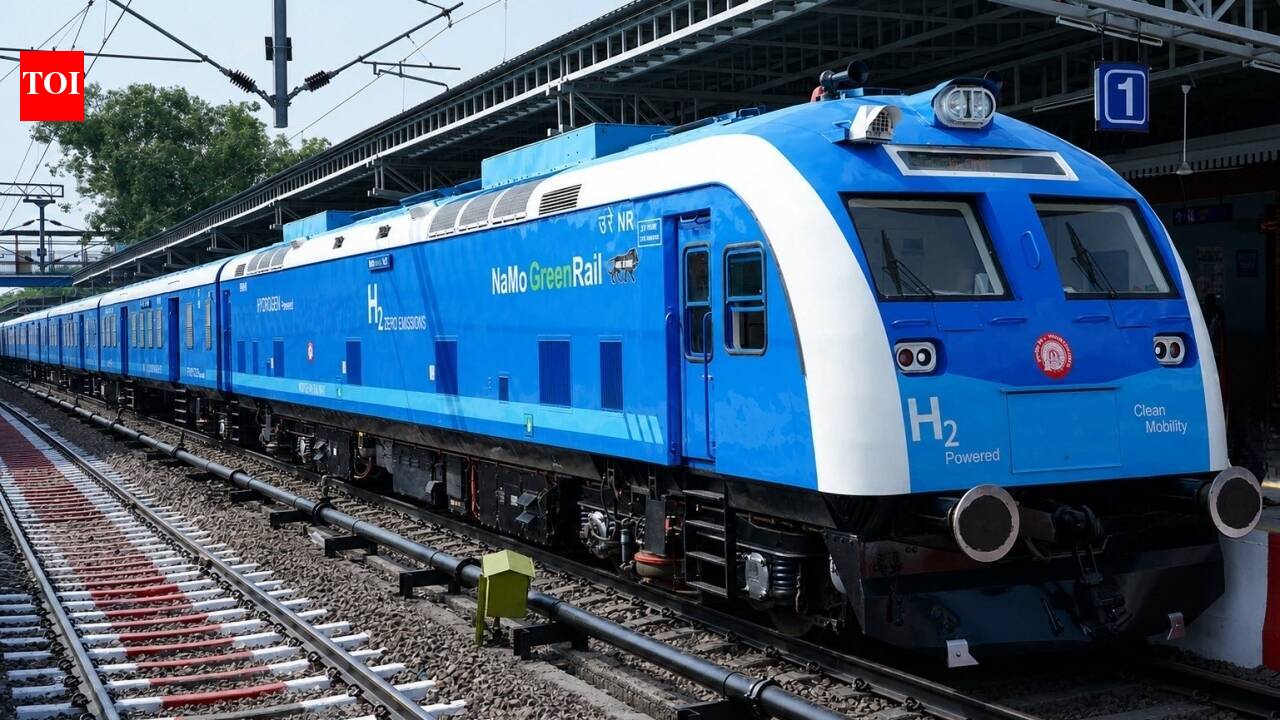
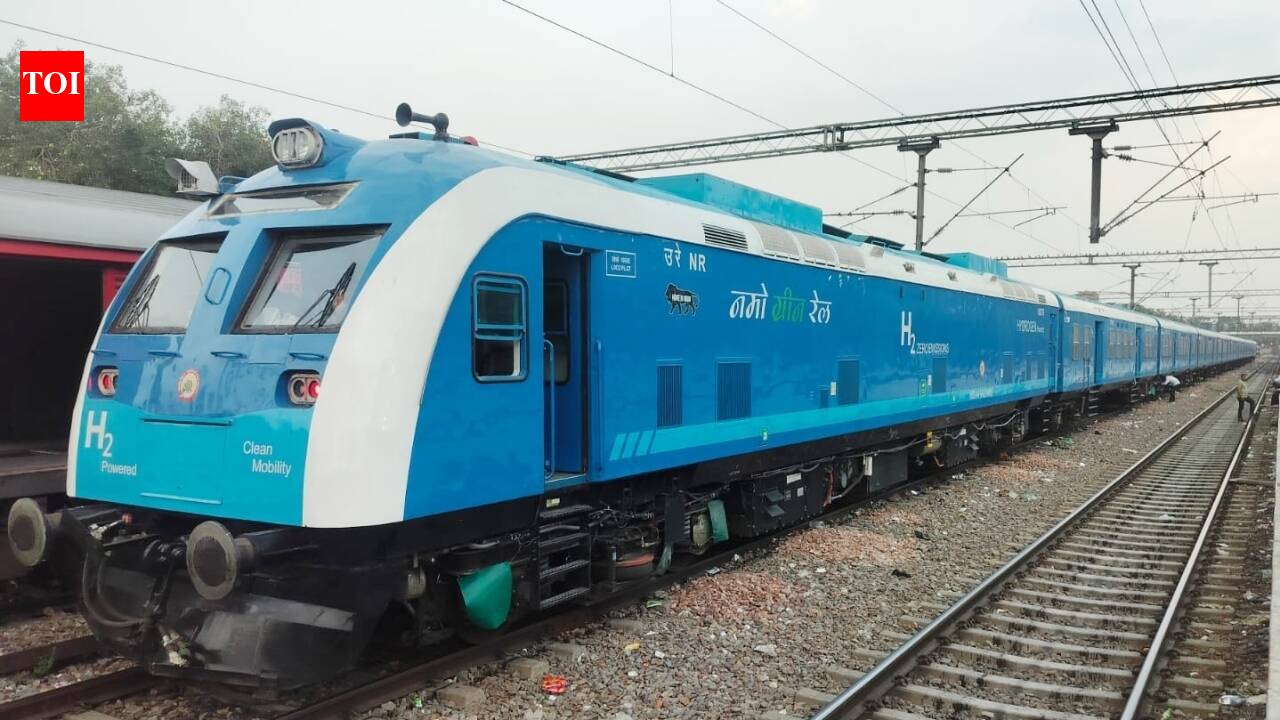
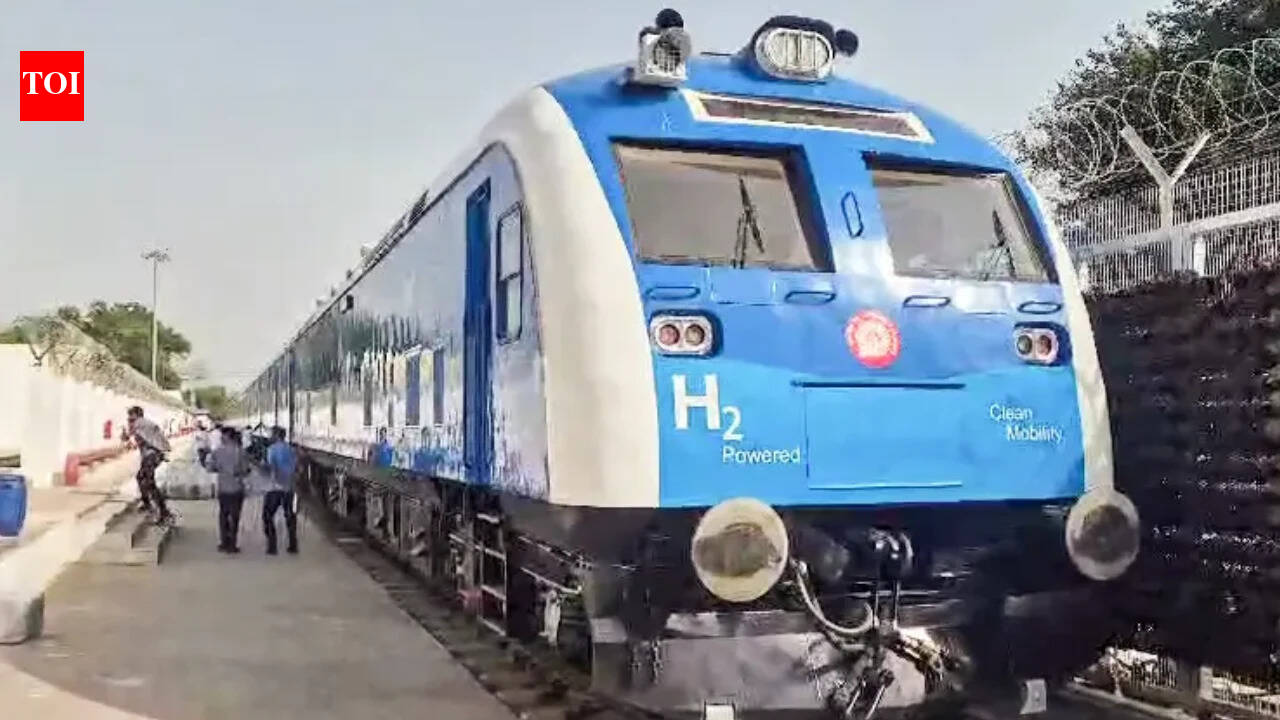
India's first hydrogen fuel cell-powered passenger train has logged approximately 900 kilometers during the first five days of commercial operations on the Jind-Sonipat route in Haryana, according to an official statement issued on Wednesday. The milestone demonstrates the operational viability of zero-emission rail traction, a development that logistics operators should monitor as Indian Railways evaluates broader applications of the technology.

The train, which was flagged off by Prime Minister Narendra Modi on July 17, runs on hydrogen fuel cell technology instead of conventional diesel engines. The 10-coach train uses two 1,200-kilowatt hydrogen-electric propulsion systems, with onboard fuel cells generating electricity by combining hydrogen and oxygen. The process produces only water vapour and heat as by-products, making it a zero-emission solution for rail transport.

Technical Specifications and Route Details

According to the official statement, the train is designed to carry around 2,600 passengers and has a design speed of 110 kmph, although it currently operates at a maximum speed of 75 kmph on the Jind-Sonipat corridor. Passenger fares have been kept at the same level as ordinary Diesel Multiple Unit (DMU) services, ranging between Rs 10 and Rs 25. The service operates under Northern Railway and is supported by a hydrogen storage and refuelling facility at Jind, developed specifically for the train's operations.

The Jind-Sonipat corridor was selected as the pilot route for India's first hydrogen train. The technology uses Proton Exchange Membrane (PEM) fuel cells, where hydrogen stored onboard reacts with oxygen from the air to produce electricity for traction, emitting only water vapour and heat during operation. Unlike conventional electric trains, hydrogen fuel cell trains generate electricity onboard instead of drawing power from overhead electric lines.

Strategic Context for Indian Railways

The hydrogen-powered train is part of Indian Railways' broader efforts to explore cleaner alternatives for routes where full electrification may not be feasible. The pilot project on the Jind-Sonipat section is expected to provide operational experience for the possible deployment of similar trains on remote and heritage routes. With the launch of this service, India has joined a small group of countries that have introduced or are testing hydrogen-powered trains, including Germany, Japan, China, and the United States.

Implications for Rail Logistics

While the current deployment is a passenger service, the successful 900-kilometer run proves the reliability of hydrogen fuel cell technology for rail traction over multiple days. For logistics operators, this demonstration is relevant because Indian Railways operates extensive freight corridors that are not fully electrified. The operational experience gained from this pilot could inform future adoption of hydrogen locomotives for freight, particularly on routes where overhead electrification is economically or geographically impractical. The Jind-Sonipat route, located in a key agricultural and industrial region of Haryana, also highlights the potential for hydrogen rail to serve logistics hubs without emissions.

Watch List

  • Expansion of hydrogen refuelling infrastructure: The current facility at Jind could be scaled up to support longer routes or higher frequencies.
  • Performance data on maintenance costs, energy efficiency, and uptime compared to diesel and electric traction.
  • Indian Railways' roadmap for hydrogen locomotives on freight corridors, especially for containerized cargo on non-electrified branch lines.
  • Global developments in hydrogen rail technology, as Germany, Japan, China, and the US continue trials that may influence Indian procurement decisions.

Sources: Business-Today
Keep Reading

Recommended Stories

India's First Hydrogen-Powered Train Completes 1,200 km Trials, Saves 3,200 Litres Diesel Logistics

India's First Hydrogen-Powered Train Completes 1,200 km Trials, Saves 3,200 Litres Diesel

India's first hydrogen-powered train has completed over 1,200 km of trial runs between Jind and Sonipat, saving 3,200 litres of diesel. The train uses hydrogen fuel cells to generate electricity, emitting only water vapour. Indian Railways plans to begin trials on the Delhi route next.

July 26, 2026
India Flags Off First Hydrogen-Powered Train on Jind-Sonipat Route, Signaling Green Rail Shift Logistics

India Flags Off First Hydrogen-Powered Train on Jind-Sonipat Route, Signaling Green Rail Shift

India’s first hydrogen-powered passenger train will be flagged off by Prime Minister Narendra Modi on July 17. The train, designed for speeds up to 110 km/h, will run on the 89-km Jind-Sonipat route in Haryana. It uses hydrogen fuel cells to generate electricity with only water vapour as emission, marking a milestone for Indian Railways in green mobility.

July 16, 2026
India's Bullet Train Project Nears Reality After Nine Years Logistics

India's Bullet Train Project Nears Reality After Nine Years

India's Mumbai-Ahmedabad bullet train project is advancing with significant infrastructure developments. Despite delays, the project is entering a critical phase with visible progress.

June 1, 2026
India Launches First Hydrogen Train: World's Longest, Most Powerful Passenger Hydrogen Trainset Logistics

India Launches First Hydrogen Train: World's Longest, Most Powerful Passenger Hydrogen Trainset

Prime Minister Narendra Modi flagged off India's first hydrogen-powered train on July 17. The 10-coach train, running between Jind and Sonipat in Haryana, is the longest hydrogen passenger train in the world and one of the most powerful, with a 3,200 HP propulsion system. The train uses hydrogen fuel cell technology, producing only water vapour as emission. Designed and manufactured in India by RDSO, ICF, and Medha, the launch signals India's entry into the small group of countries operating hydrogen trains, with implications for future freight decarbonization.

July 17, 2026