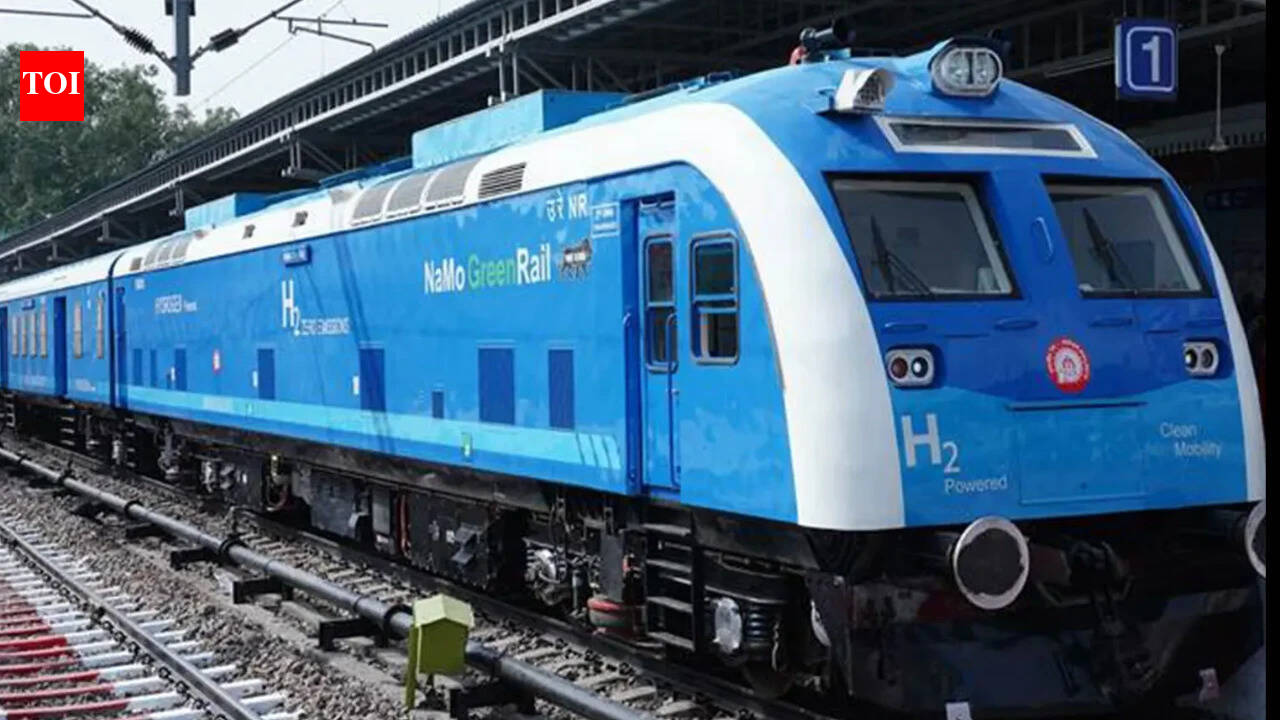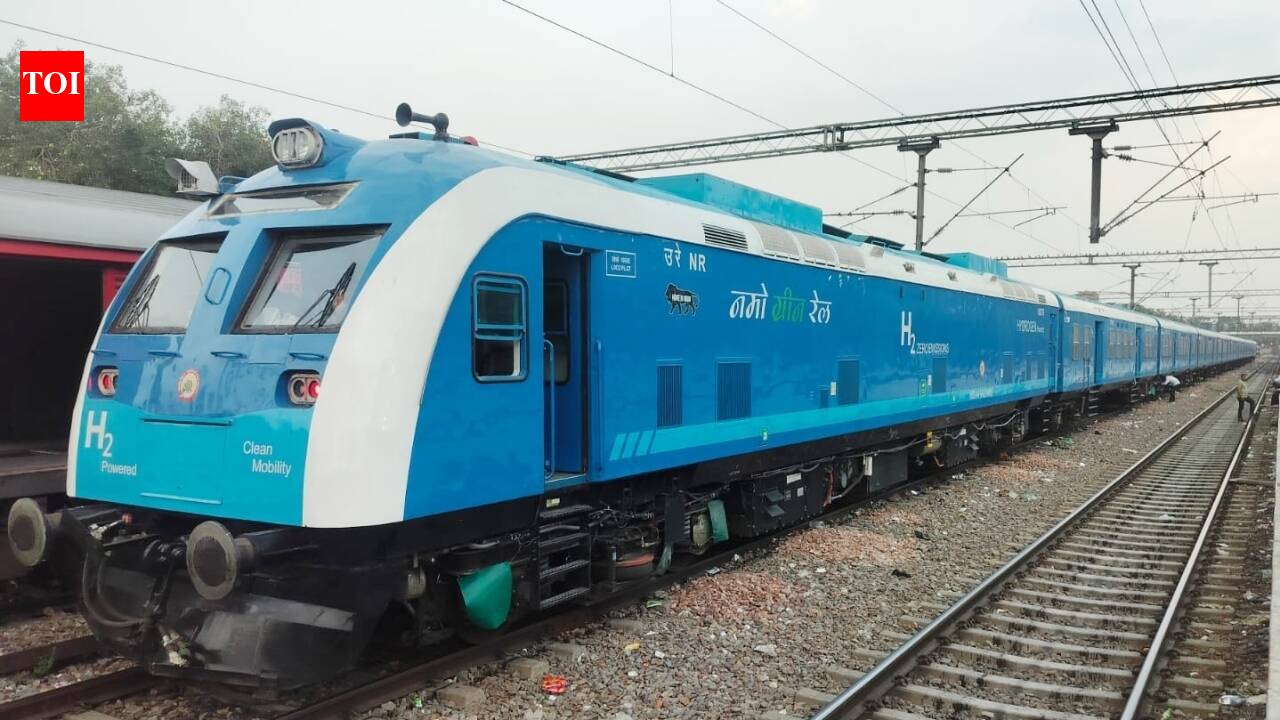
Indian Railways is racing to lower green hydrogen costs and widen its supplier base just weeks after launching the country's first hydrogen-powered passenger train, according to Business-Today. The operator is offering manufacturers offtake assurances to cut procurement expenses, while the initial fleet target stands at 35 hydrogen trains allocated to heritage and hilly routes where electrification is not feasible.
Expansion and cost-reduction push
Business-Today reported that Indian Railways is exploring measures to expand the pool of green hydrogen suppliers and reduce procurement expenses, including offering manufacturers offtake assurances. This comes within a month of launching the country's first hydrogen-powered train. A senior official told ET that "Green hydrogen supply costs need to come down to ensure wider adoption of hydrogen trains," adding that multiple options were being evaluated.
Commercial performance and deployment plan
According to official estimates cited by Business-Today, hydrogen trains had clocked more than 2,500 km of commercial operations by early August, after services began in mid-July. The initial target is to deploy 35 hydrogen-powered trains on heritage routes, which generally include hilly stretches where railway electrification will not be feasible. India currently operates the world's most powerful hydrogen train and has established a dedicated facility for manufacturing and supplying hydrogen for the train.
| Parameter | Value |
|---|---|
| Commercial operations by early August | >2,500 km |
| Services began | Mid-July |
| Target fleet | 35 hydrogen trains |
| National Green Hydrogen Mission outlay | Rs 17,490 crore through 2029-30 |
| Green hydrogen production target by 2030 | 5 MMT per year |
| Lowest discovered price (February) | Rs 279 (~$3.08) per kg |
| Train composition | 10 coaches |
| Power cars | 2 × 1,200 kW |
| Propulsion | 3,200 HP |
Policy support and price milestones
The government is already providing incentives for electrolyser manufacturing as well as green hydrogen production under a dedicated programme. The National Green Hydrogen Mission, backed by an outlay of Rs 17,490 crore through 2029-30, also seeks to create opportunities for exports. India aims to establish 5 MMT (million metric tonne) of annual domestic green hydrogen production capacity by 2030. In February this year, the country achieved its lowest-ever discovered green hydrogen price of Rs 279 (around $3.08) per kg in a tender for supplying 10,000 tonnes a year to Numaligarh Refinery in Assam. Former Niti Aayog CEO Amitabh Kant said government incentives and lower-cost renewable power were helping support the price. "This milestone boosts cost competitiveness and marks rapid sector progress," he said, adding that green hydrogen at $2/kg "is not a distant dream anymore."
World's longest and most powerful hydrogen train
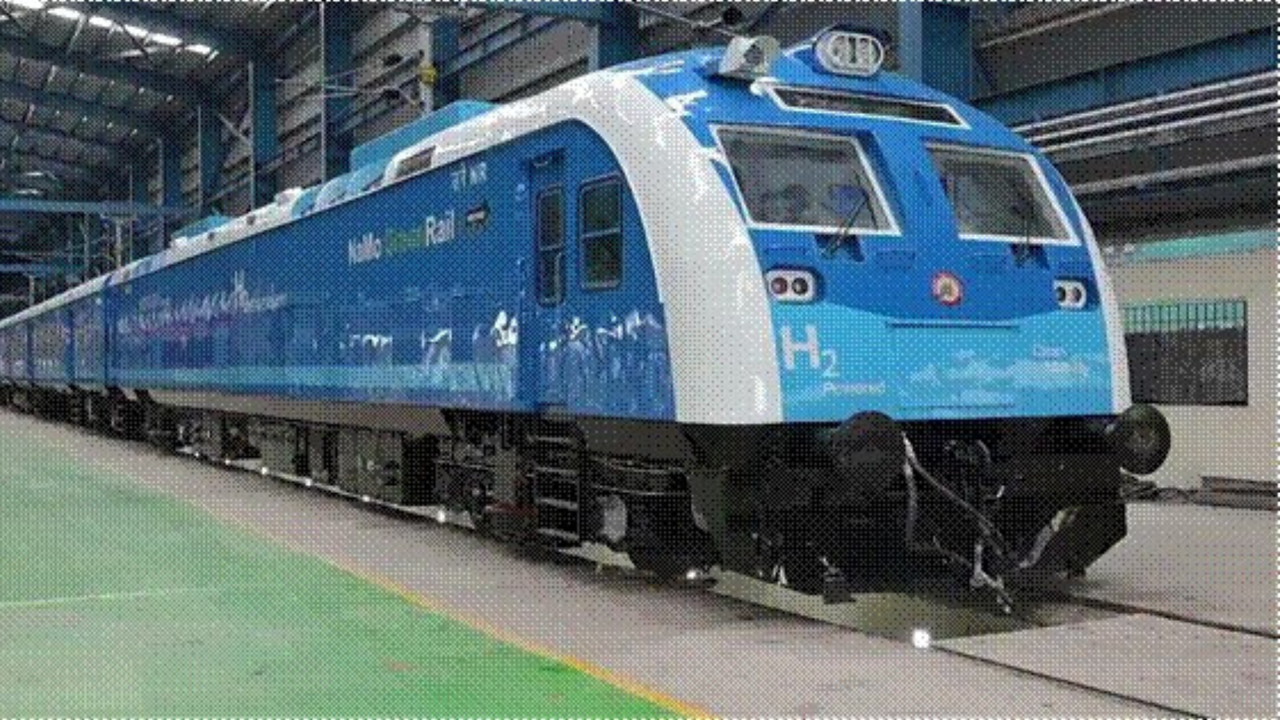
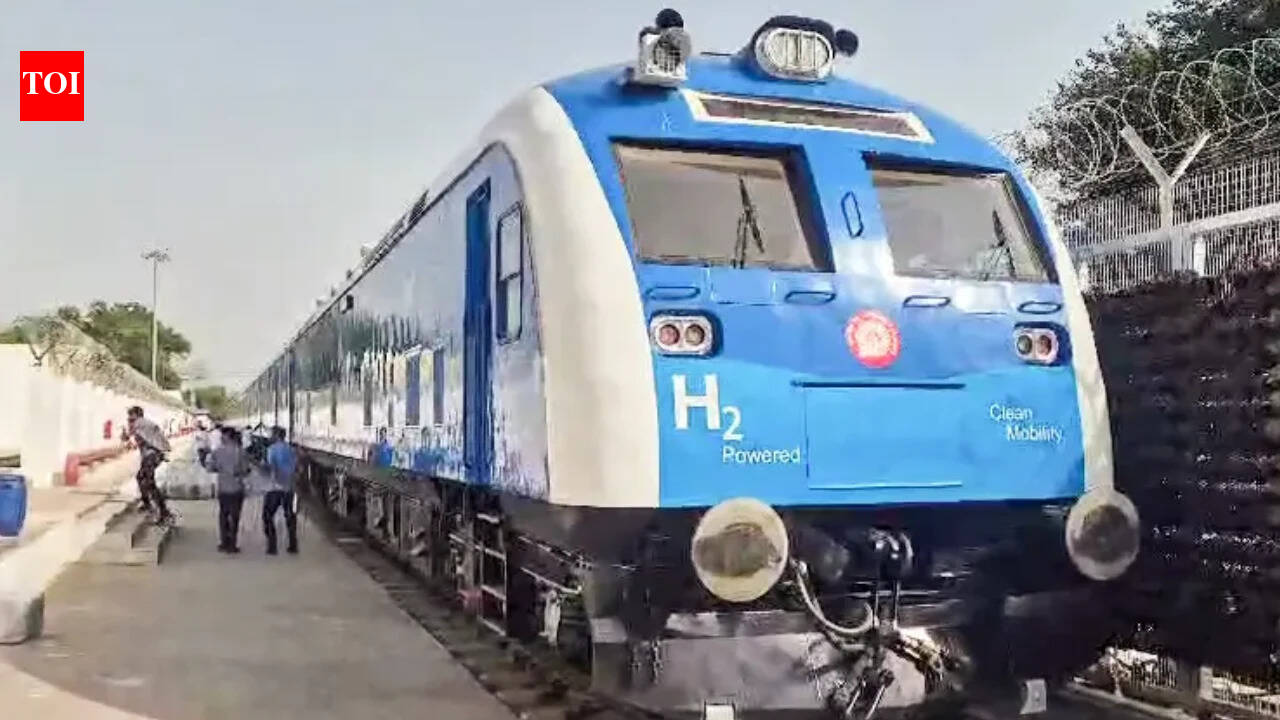
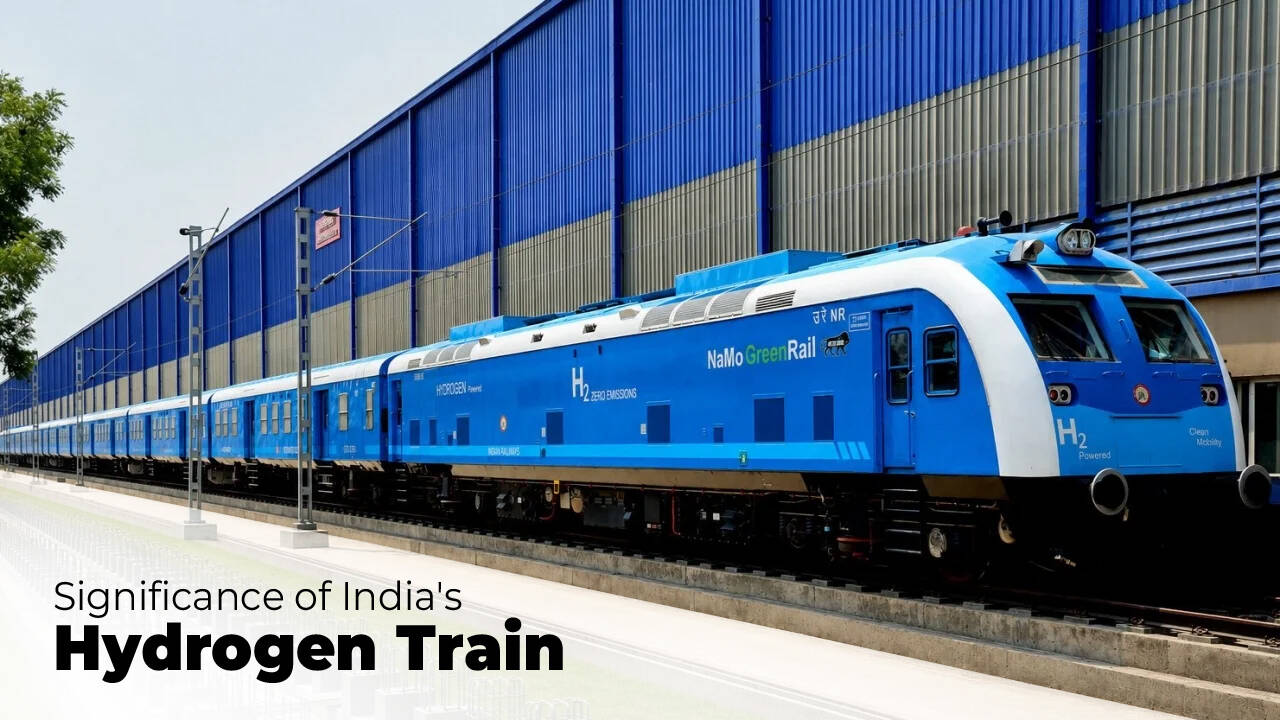
PM Narendra Modi had last month flagged off India's first hydrogen-powered train. The train uses hydrogen fuel cell technology: hydrogen stored in onboard cylinders is combined with oxygen from the surrounding air inside a Proton Exchange Membrane (PEM) fuel cell, producing electricity to power the traction motors without combustion, smoke or any direct carbon emissions. The only by-product is water vapour. Power is generated through two hydrogen driving power cars, each capable of producing 1,200 kW, supported by lithium iron phosphate batteries and onboard hydrogen storage cylinders. Hydrogen trains around the world generally consist of two or three passenger coaches; India's train has 10 coaches, making it the world's longest hydrogen train at present. With a 3,200 HP propulsion system, it is also among the most powerful hydrogen-powered trainsets globally. Only a small number of countries currently operate or test hydrogen trains — Germany was the first to commercially operate hydrogen-powered passenger trains, and China has also deployed such trains.
Implications for rail freight and intermodal operators
For logistics operations, the significance is in the deployment pattern: hydrogen trains are being prioritised on heritage and hilly routes where electrification is not feasible. This positions hydrogen as a complement to electrified mainlines. The push to lower green hydrogen supply costs — with offtake assurances to manufacturers — could eventually reduce fuel price uncertainty for rail-based freight services on non-electrified segments. The reported 2,500 km of commercial operation in under a month suggests the technology is moving from pilot to operational reliability, though the number of trains and routes remains limited.
Watch list
- Whether the 35-train target is awarded to manufacturers and over what timeline.
- Any new green hydrogen tenders following the Rs 279/kg discovery at Numaligarh Refinery.
- Additional countries or operators announcing hydrogen train deployments, which could shift global supply and pricing.
- Progress of the National Green Hydrogen Mission's export-oriented initiatives through 2029-30.
Sources: