iGEN
Visit IGEN World Explore IGEN Expo
EXPLORE UPGRADE PLANS
BREAKING
UPS shift away from Amazon shows bigger payoff Lanesurf: 62% of Loads Get Vetted Carrier Offers Before Brokers Arrive India-China Border Trade Via Lipulekh Resumes Aug 1; China Permits 20 Traders Geopolitics Drives CMA CGM Q2 Profit Surge of 42% as Volumes and Rates Climb Benchmark Diesel Price Rises Third Week as Futures Plunge; Spread Hits Record Indian Government Limits Sugar Dealers to 400 Tonnes Stock Until November to Curb Hoarding Tenants signing longer leases for larger warehouses as 3PLs lock in capacity US stock market flat as S&P 500 and Dow barely move, Nasdaq slides over 1% on chip rout TruAlt Bioenergy Q1 Net Zooms to ₹59.27 Crore on Higher Revenues, Capacity Expansion India’s cotton sowing crosses 100 lakh hectares as monsoon picks up, area expands in key states UPS shift away from Amazon shows bigger payoff Lanesurf: 62% of Loads Get Vetted Carrier Offers Before Brokers Arrive India-China Border Trade Via Lipulekh Resumes Aug 1; China Permits 20 Traders Geopolitics Drives CMA CGM Q2 Profit Surge of 42% as Volumes and Rates Climb Benchmark Diesel Price Rises Third Week as Futures Plunge; Spread Hits Record Indian Government Limits Sugar Dealers to 400 Tonnes Stock Until November to Curb Hoarding Tenants signing longer leases for larger warehouses as 3PLs lock in capacity US stock market flat as S&P 500 and Dow barely move, Nasdaq slides over 1% on chip rout TruAlt Bioenergy Q1 Net Zooms to ₹59.27 Crore on Higher Revenues, Capacity Expansion India’s cotton sowing crosses 100 lakh hectares as monsoon picks up, area expands in key states
Home ›› Logistics ›› Shipping Freight ›› Shipping Lines ›› India's First Hydrogen-Powered Train Completes 1,200 km Trials, Saves 3,200 Litres Diesel

India's First Hydrogen-Powered Train Completes 1,200 km Trials, Saves 3,200 Litres Diesel

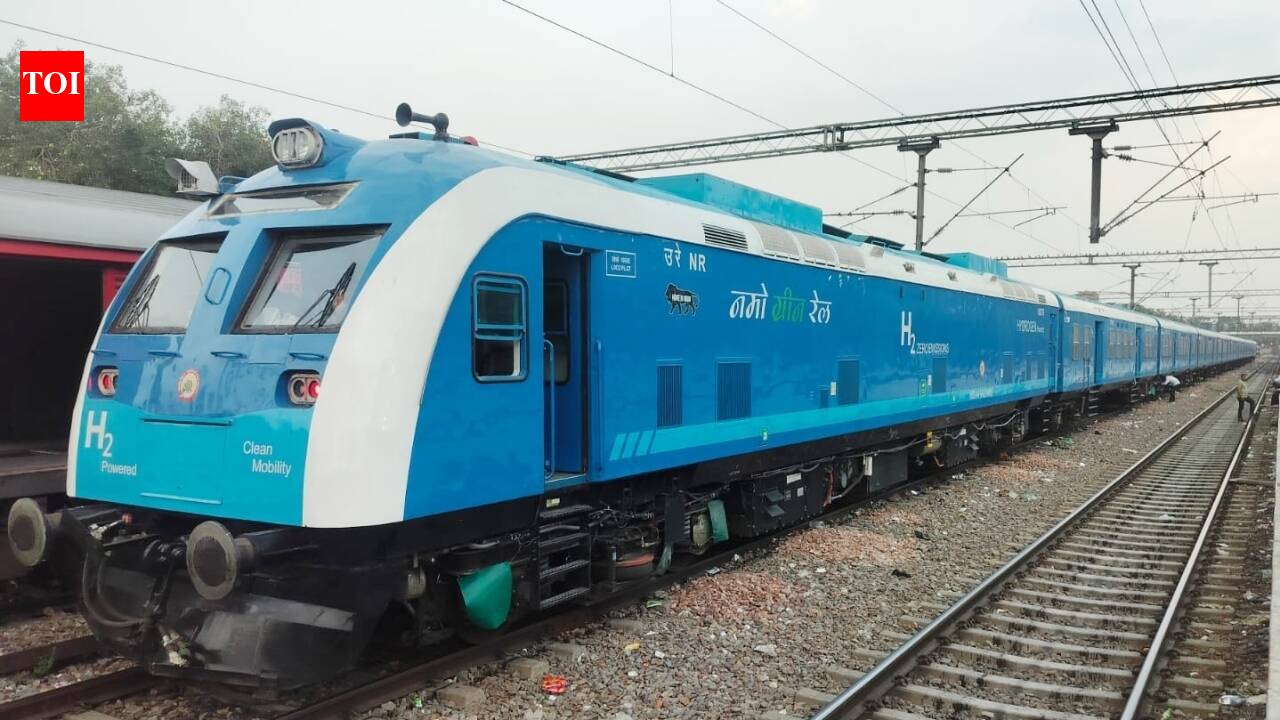
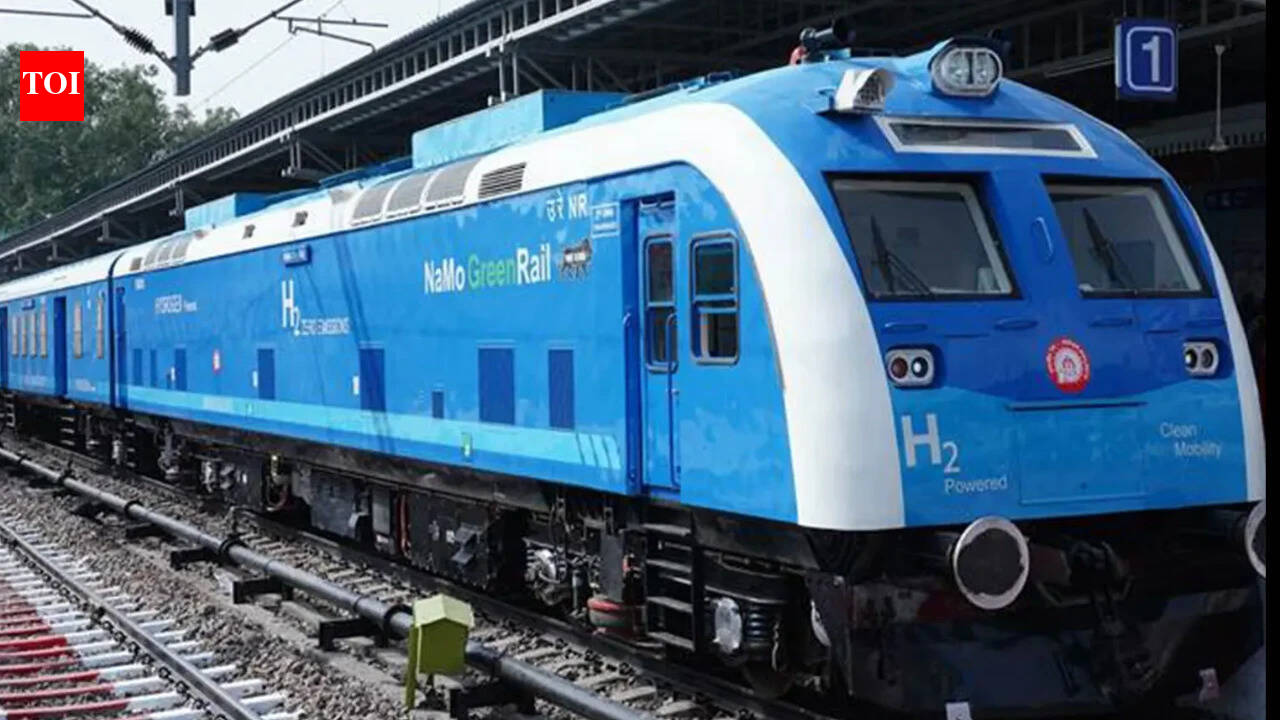
India's first hydrogen-powered train has completed over 1,200 km of trial runs between Jind and Sonipat, saving 3,200 litres of diesel. The train uses hydrogen fuel cells to generate electricity, emitting only water vapour. Indian Railways plans to begin trials on the Delhi route next.

iG
iGEN Editorial
July 26, 2026
India's First Hydrogen-Powered Train Completes 1,200 km Trials, Saves 3,200 Litres Diesel

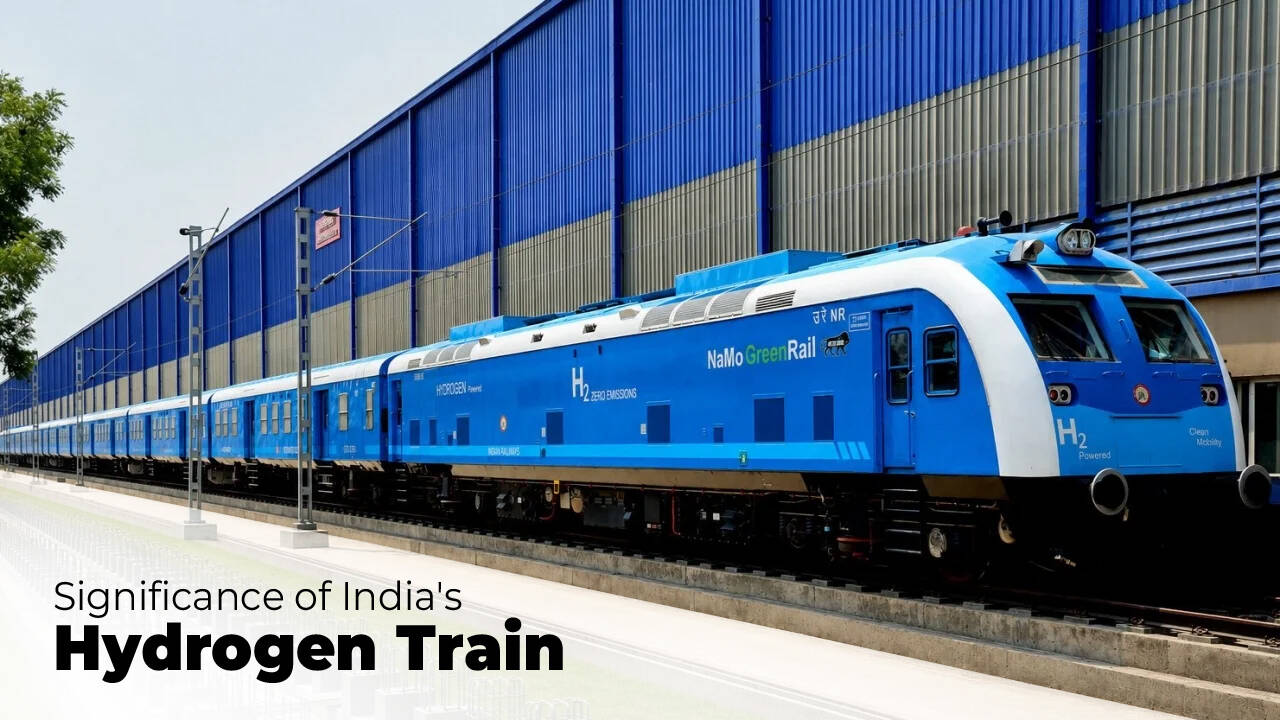
India's first hydrogen-powered train, flagged off by Prime Minister Narendra Modi on July 17, has completed over 1,200 km of trial operations between Jind and Sonipat in Haryana, saving over 3,200 litres of diesel, according to a railway ministry press release. The successful trials pave the way for the next phase of testing, with operations on the Delhi route expected soon.

Trial Operations and Diesel Savings

The train, developed indigenously by Indian Railways, has been running between Jind and Sonipat in Haryana since being flagged off. According to the railway ministry, the project has already saved over 3,200 litres of diesel during these trial operations. The trials are part of the Centre's Atmanirbhar Bharat initiative, focusing on self-reliance.

Technical Specifications: Fuel Cells and Safety Systems

Unlike conventional diesel locomotives, the hydrogen train produces electricity onboard through a chemical reaction between hydrogen and oxygen inside fuel cells, according to the Railway Ministry. The electricity generated powers the train's motors, while water vapour is the only by-product released during the process. Because there is no combustion, the train produces no smoke or tailpipe carbon emissions, making it one of the cleanest forms of rail propulsion currently available, the ministry said.

The train consists of 10 passenger coaches and two Hydrogen Driving Power Cars that together generate 2,400 kW of power. The propulsion system is supported by lithium iron phosphate batteries along with hydrogen cylinders.

The ministry outlined multiple safety systems incorporated into the train:

  • Independent hydrogen leak detection systems
  • Heat, flame and smoke sensors
  • Automatic emergency shut-off systems
  • Continuous ventilation
  • Compliance with international safety standards
  • Mandatory technical validations before operations
Component Specification
Passenger coaches 10
Hydrogen Driving Power Cars 2
Total power generation 2,400 kW
Battery type Lithium iron phosphate
Safety systems Leak detection, heat/flame/smoke sensors, auto shut-off, ventilation

Indigenous Development and Infrastructure

Railways minister Ashwini Vaishnaw described the project as a landmark achievement, saying the propulsion system and related technology were developed within India. The project has also led to the establishment of Indian Railways' first dedicated hydrogen storage and refuelling facility at Jind. The railway ministry said green hydrogen is stored at pressures of up to 500 bar and dispensed at 350 bar. The facility has a storage capacity of around 3,000 kilograms of hydrogen to support regular train operations.

Implications for Logistics and Future Deployment

Following the successful operations between Jind and Sonipat, Indian Railways plans to begin trial runs on the Delhi route. According to the railway ministry, the project aims to establish an indigenous hydrogen rail ecosystem while supporting the country's transition towards zero-emission rail transport. Officials said the initiative could lay the foundation for wider deployment of hydrogen-powered trains across India in the future. For logistics operators, this development signals a potential shift in rail freight propulsion, offering a zero-emission alternative to diesel for intermodal and container movements on key corridors, though commercial deployment remains in early testing stages.


Sources: Business-Today
Keep Reading

Recommended Stories

India Launches First Hydrogen Train: World's Longest, Most Powerful Passenger Hydrogen Trainset Logistics

India Launches First Hydrogen Train: World's Longest, Most Powerful Passenger Hydrogen Trainset

Prime Minister Narendra Modi flagged off India's first hydrogen-powered train on July 17. The 10-coach train, running between Jind and Sonipat in Haryana, is the longest hydrogen passenger train in the world and one of the most powerful, with a 3,200 HP propulsion system. The train uses hydrogen fuel cell technology, producing only water vapour as emission. Designed and manufactured in India by RDSO, ICF, and Medha, the launch signals India's entry into the small group of countries operating hydrogen trains, with implications for future freight decarbonization.

July 17, 2026
Norfolk Southern Posts Strong Q2 Profits as Volume Gains Accelerate Across All Segments Logistics

Norfolk Southern Posts Strong Q2 Profits as Volume Gains Accelerate Across All Segments

Norfolk Southern reported stronger second-quarter profits on across-the-board volume growth, with revenue rising 11% to a record $3.46 billion. Adjusted operating income increased 5% to $1.19 billion, driven by a 4% overall volume gain and a 25% surge in coal exports. The railroad also noted improvements in network speed and terminal dwell after a rough winter.

July 23, 2026
CN and UP Reach Settlement on Norfolk Southern Merger, Enhancing Rail Access in Chicago and Mexico Logistics

CN and UP Reach Settlement on Norfolk Southern Merger, Enhancing Rail Access in Chicago and Mexico

Canadian National and Union Pacific have reached a settlement on the Union Pacific-Norfolk Southern merger. UP gains rights to CN's Elgin, Joliet & Eastern route for a faster Chicago bypass, while CN gets operating rights from Memphis to Eagle Pass, improving its Mexico access. The deal, subject to STB approval, includes additional trackage rights and terminal acquisitions.

July 23, 2026
India's First Hydrogen Fuel Cell Train Covers 900 Km in Five Days on Jind-Sonipat Route Logistics

India's First Hydrogen Fuel Cell Train Covers 900 Km in Five Days on Jind-Sonipat Route

India's first hydrogen-powered passenger train has covered approximately 900 kilometers in its first five days of commercial service on the Jind-Sonipat route in Haryana. The train, flagged off by Prime Minister Narendra Modi on July 17, uses hydrogen fuel cell technology and emits only water vapour. The pilot project aims to explore cleaner alternatives for routes where full electrification is not feasible.

July 23, 2026