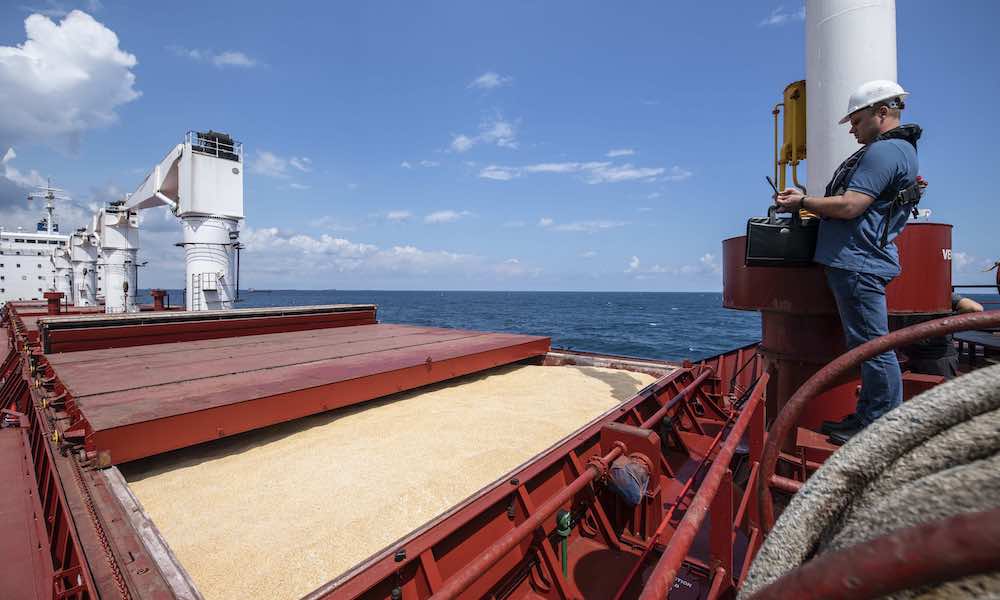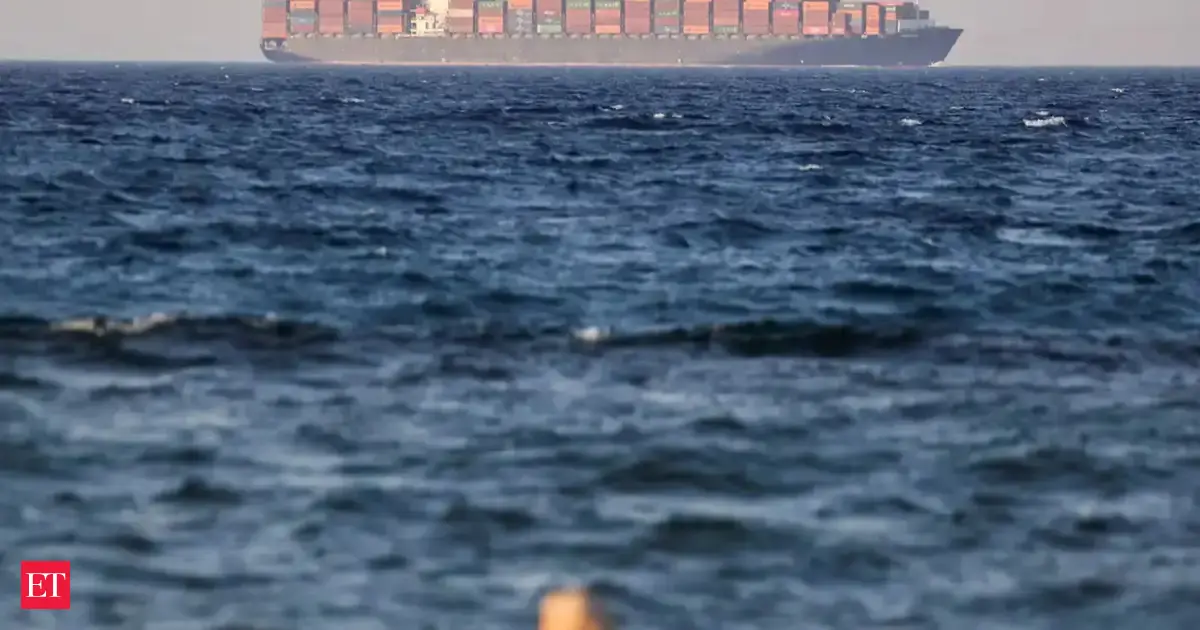
Nearly 12 ships carrying fertiliser have crossed the Strait of Hormuz, according to an Economic Times report, partially restoring a critical supply route for Indian fertiliser importers after weeks of disruption caused by US and Israeli strikes on Iran.
Supply Chain Disruption and Partial Resumption
The disruption began after US and Israeli strikes on Iran from February 28, which led to the closure of the Strait of Hormuz, one of the world's busiest energy and commodity shipping routes. According to the Economic Times, at the onset of the conflict, eight urea, four diammonium phosphate (DAP), one ammonia, and three sulphur vessels bound for India were stranded in the strait. A fertiliser importer, who did not wish to be identified, confirmed that "some vessels carrying urea, ammonia and DAP have crossed the strait."
The following table summarises the vessel types and numbers stranded initially:
| Fertiliser Type | Number of Vessels |
|---|---|
| Urea | 8 |
| DAP (Diammonium Phosphate) | 4 |
| Ammonia | 1 |
| Sulphur | 3 |
Impact on Indian Imports and Domestic Production
West Asia is India's largest supplier of fertilisers and key raw materials such as ammonia and sulphur, making the Strait of Hormuz critical for ensuring timely imports ahead of the kharif sowing season, which begins with the June onset of the southwest monsoon. The disruption also affected liquefied natural gas (LNG) supplies, according to the report, slowing domestic urea production during March and early April, when India typically builds inventories for the sowing season.
In response, the government secured additional LNG supplies and floated three global urea tenders to prevent shortages during the sowing season. The report noted that the conflict sent global prices of ammonia and sulphur—key inputs for manufacturing DAP—to multi-month highs as supply chains from West Asia tightened.
Shipper and Operator Implications
Importers and logistics operators should closely monitor the sustained resumption of shipping through the Strait of Hormuz. The Economic Times reported that industry executives said any sustained resumption would improve the availability of these raw materials and gradually bring down prices, although a full normalisation could still take several months. For now, the partial crossing of nearly 12 fertiliser vessels provides some relief, but ongoing geopolitical risks remain.
Watch List
- Sustained shipping resumption through the Strait of Hormuz: Further crossings and full reopening will be critical.
- Normalisation timeline for raw material prices: Ammonia and sulphur prices remain at multi-month highs; any downward movement will depend on consistent supply flows.
- Government procurement actions: Additional LNG contracts and urea tenders may be announced if disruption continues.
- Kharif season inventory build-up: Delays could affect domestic fertiliser availability ahead of the monsoon.
Sources: