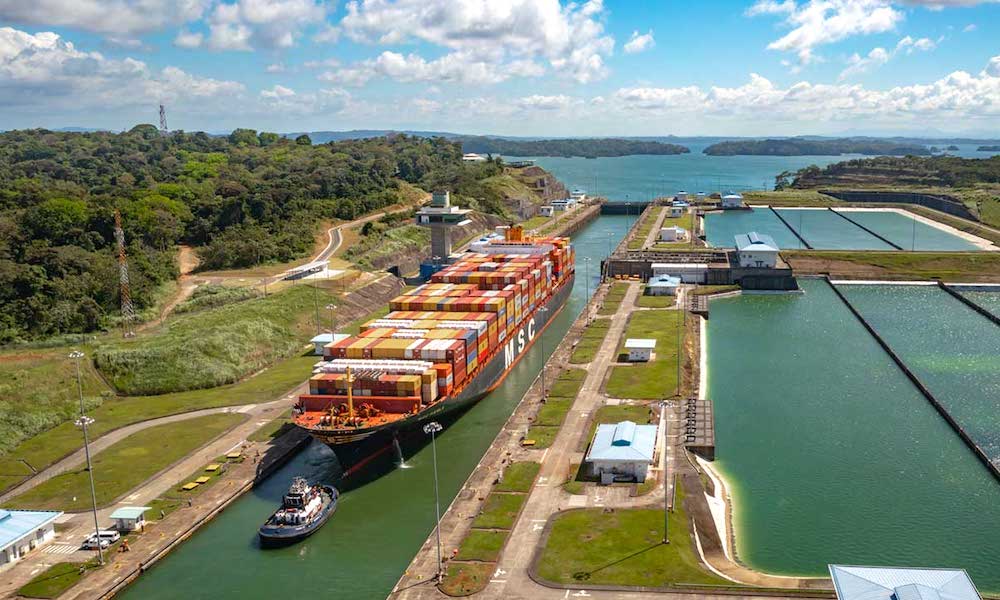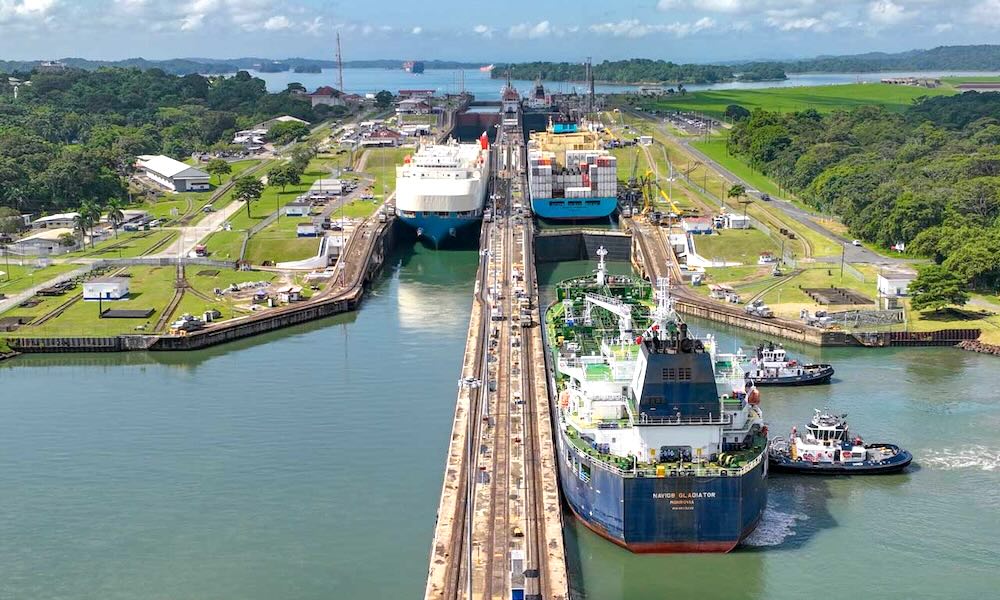
The Panama Canal Authority (ACP) is tightening draught limits for neopanamax vessels again, warning of a return to water conservation measures that could disrupt transits in the coming months. Effective July 24, the maximum authorised draught at the neopanamax locks will drop to 14.94 metres (49 feet) in tropical fresh water, followed by a further reduction to 14.78 metres (48.5 feet) on August 15, according to a notice sent to ship agents, owners, and operators.
| Effective Date | Maximum Draught (metres) | Maximum Draught (feet) |
|---|---|---|
| July 24 | 14.94 | 49 |
| August 15 | 14.78 | 48.5 |
Context and Cause
The ACP stated that these measures are part of its "water management strategy" to maintain safe and reliable canal operations under current hydrological conditions. It also cited the potential development of an El Niño phenomenon over the watershed in the coming months. The authority confirmed that lake levels and hydrological projections will continue to be monitored, with further operational adjustments announced if required. The article, published by Splash247 and authored by Sam Chambers, noted that while this is not yet a repeat of the severe restrictions during the 2023-24 drought — when daily booking slots were slashed and many operators forced to reroute — it is "a clear signal that the canal is again moving into defensive water management before the next dry season."
Operational Implications for Shippers
The new draught limits mean that neopanamax vessels — typically with capacities of 13,000–15,000 TEU — will need to reduce cargo loads to meet the lower draught, potentially increasing per-unit shipping costs for Transpacific and Asia-to-US East Coast trade lanes that rely on the canal. Logistics managers and freight forwarders should review vessel bookings and cargo allocations for transits scheduled after July 24 and especially after August 15. Ocean carriers may impose weight restrictions or surcharges on containers to compensate for reduced capacity. Port authorities at alternative routes (e.g., Suez Canal, US West Coast ports) could see increased volumes as shippers pre-emptively reroute cargo, though the ACP has not yet reduced daily transit slots.
Carrier and Terminal Impact
Carriers operating neo-panamax strings through Panama include CMA CGM, Maersk, MSC, COSCO, Evergreen, Hapag-Lloyd, and ONE. They must adjust stowage plans to comply with the lower draught. Terminal operators at both Atlantic and Pacific entrances — Cristobal, Balboa, and Colón — will need to coordinate with lines on draft restrictions. The Panama Canal Authority itself faces the challenge of balancing revenue from transits with water conservation; any further escalation could lead to booking limits like those seen in 2023-24.
What to Watch For
The ACP has stated it will continue to monitor lake levels and hydrological projections, with further adjustments announced as needed. Shippers and logistics operators should monitor ACP advisories closely, particularly if the El Niño forecast strengthens. Any additional draught cuts or slot restrictions could cascade into significant route shifts and rate increases on Asia–US East Coast and Asia–Gulf Coast lanes. The situation is a reminder that the canal's vulnerability to water scarcity remains a persistent risk for global supply chains.
Sources: