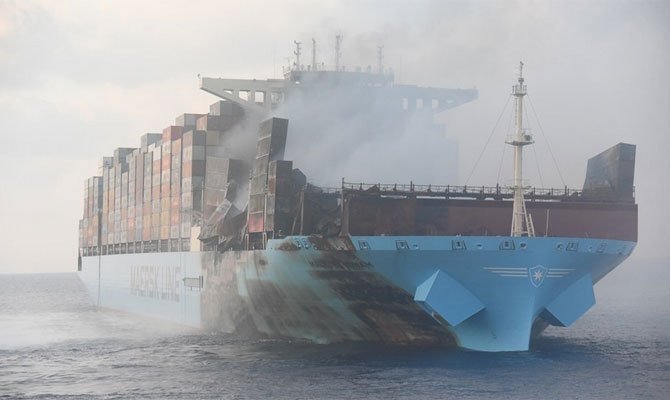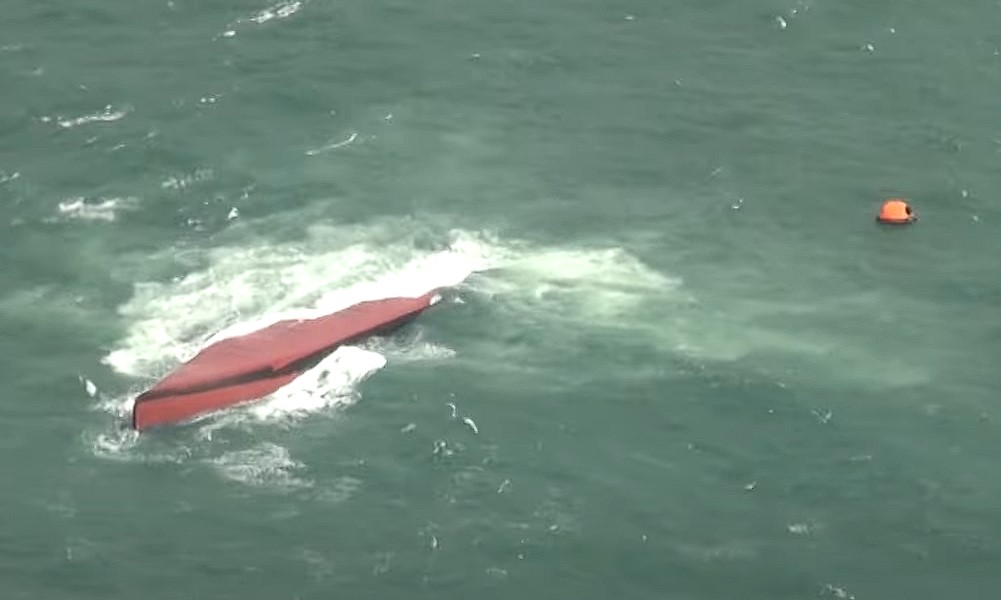
Nickel ore bulk cargo that appears solid at loading can liquefy at sea, leading to catastrophic stability failure and loss of the vessel. The small can test, a practical field check, gives crews an early warning before an unsafe shipment becomes a tragedy, according to Captain Simon Hodgkinson, global head of loss prevention at protection and indemnity insurer West P&I.
The Danger of Nickel Ore Liquefaction
Nickel ore is a bulk cargo that, on paper, seems ordinary, but if improperly sampled, tested, or handled, it becomes a serious threat. Cargo that is too wet can liquefy during the voyage, losing strength, shifting within the hold, and destabilising the ship. In the worst cases, this leads to capsizing and loss of life. The condition is not obvious by appearance alone — cargo may look acceptable while still containing unsafe moisture levels. Moisture can vary significantly within the same mine, stockpile, or shipment, with some areas much wetter than others.
Sampling and Testing Challenges
Cargoes may be stored in open stockpiles exposed to heavy rain, transported by barge, or delivered directly from the mine during loading, Hodgkinson explains. Under these conditions, certificates and declarations must be treated with care, particularly when there are doubts about how samples were taken, whether they were representative, or whether the cargo was exposed to rain after testing. The International Maritime Solid Bulk Cargoes (IMSBC) Code treats nickel ore as a cargo that may liquefy. Shippers must provide the Transportable Moisture Limit (TML) and moisture content before loading. The cargo should only be loaded if the actual moisture content is below the TML. If significant rain has fallen between testing and loading, further checks are required.
The Can Test: Practical Early Warning
The can test is one of the most practical tools available to crews and surveyors, according to Hodgkinson. In the test, a sample of the cargo is placed in a small can and struck repeatedly against a hard surface. If the sample begins to show free moisture, flatten, flow, or behave like a fluid, that is a serious warning sign. For a master, deck officer, or surveyor watching cargo come aboard, the can test can help identify material that may be unsafe. Its main aim is to make an invisible risk visible. It can also support the decision to stop loading, question the reliability of cargo documentation, and seek further advice. However, the can test alone cannot guarantee that a cargo is safe — questionable cargo should not be accepted simply because it appears to pass the test. It is not designed to replace the IMSBC Code, laboratory analysis, or expert advice.
| Comparison | Can Test | Laboratory Analysis |
|---|---|---|
| Purpose | Early warning at loading point | Definitive moisture content measurement |
| Speed | Minutes | Hours to days |
| Reliability | Indicates possible danger | Precise and quantitative |
| Required by Code | Not a substitute | Mandatory for TML determination |
Shipowners' Role in Risk Management
Nickel ore risk must not be left to the crew alone once loading starts. Safe carriage depends on decisions made well before the vessel arrives. Owners and operators should involve their P&I Club early when fixing or chartering a vessel to load nickel ore from higher-risk loading areas. This allows appropriate survey support to be arranged in advance and cargo documents to be reviewed carefully. The location and condition of the cargo should be established before loading; if there is doubt, independent testing and expert input should be sought. The ship’s master must be supported in practice — if the cargo appears wet or can tests raise concern, the master must have the backing to refuse loading.
Implications for Bulk Carrier Operators
For operators of bulk carriers carrying nickel ore — particularly on routes from Southeast Asian mines to smelters in China and elsewhere — the can test is a low-cost, high-impact safety check. It empowers crews to challenge suspect cargo documentation and stop loading before a tragedy occurs. However, it is not a magic bullet; the test is a warning tool, not a replacement for proper sampling and laboratory analysis. Owners must embed the can test within a broader safety framework that includes early P&I involvement, rigorous document review, and independent testing when conditions are uncertain. The coming monsoon season in nickel-ore exporting regions will increase moisture risks, making pre-loading checks even more critical.
Watch List
- Monsoon rains: Heavy rainfall in nickel ore loading areas (e.g., Philippines, Indonesia) can increase cargo moisture, making rigorous testing and the can test essential.
- Regulatory scrutiny: The IMSBC Code may be amended to strengthen testing requirements.
- P&I guidance: Look for updated loss-prevention bulletins from major clubs like West P&I.
Sources: