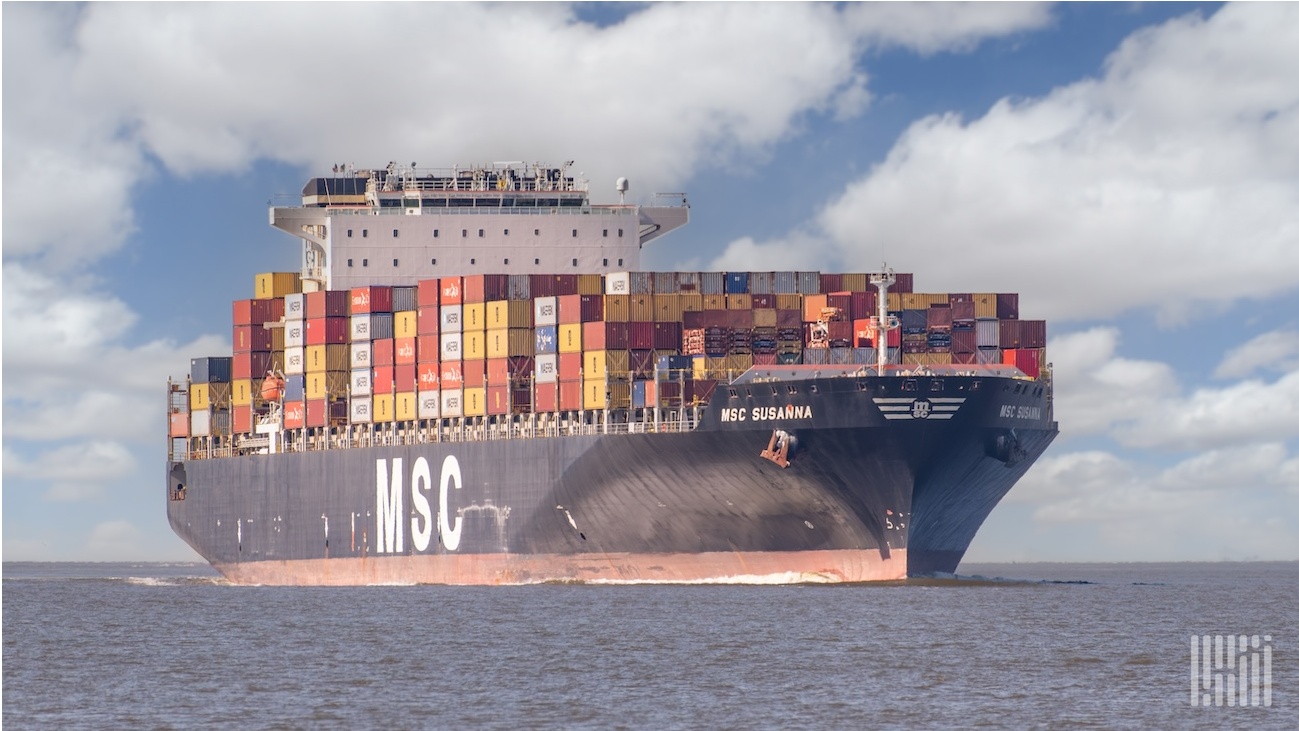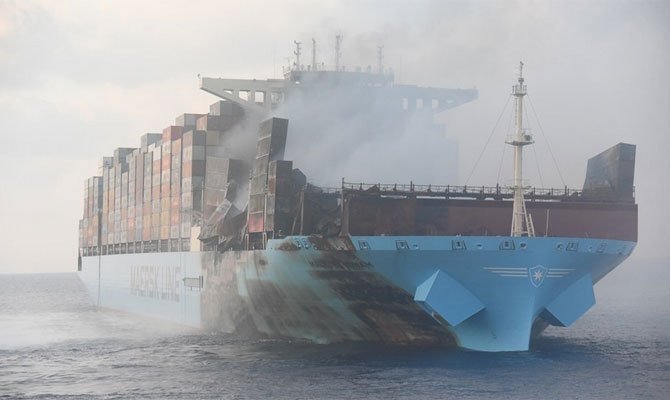
Container shipping must identify dangerous cargo risks at the booking stage instead of discovering them after a box has been loaded onboard, according to a new report from Thetius and Tigris Systems covered by Splash247. The push to move fire prevention upstream comes as vessel fires reach their highest level in a decade.
The scale of the problem
Splash247 reported that there were 250 vessel fires in 2024, up 20% year-on-year and the highest number for a decade. The TT Club estimates a major containership fire occurs roughly every 60 days, and the World Shipping Council identifies undeclared and misdeclared dangerous goods as the leading cause.
| Metric | Figure / finding | Source |
|---|---|---|
| Vessel fires in 2024 | 250 | Splash247 |
| Year-on-year change | +20% | Splash247 |
| Decade context | Highest number in a decade | Splash247 |
| Major containership fire frequency | Roughly every 60 days | TT Club (cited by Splash247) |
| Leading cause | Undeclared and misdeclared dangerous goods | World Shipping Council (cited by Splash247) |
Why dangerous goods keep slipping through
The report argues that shipping does not primarily suffer from a lack of information. Instead, declarations, safety data sheets and subsequent corrections often sit in different emails, PDFs and operational systems, leaving carriers, terminals and vessels working from incomplete or outdated versions.
"Before loading, you need to know exactly what is in the container," said dangerous goods safety adviser Paola Staiano. "You cannot feed the system with approximate information."
Screening at the booking stage
To close that gap, the report proposes much more aggressive digital screening before a container is accepted for carriage. Specifically, systems should:
- Automatically compare dangerous goods declarations, safety data sheets and supporting documents for conflicting UN numbers, classifications, packaging and quantities.
- Extract operational information such as temperature limits, segregation requirements and firefighting instructions.
- Flag problem cargo types — particularly lithium-ion batteries, charcoal and other goods where the practical risk may not be obvious from the standard classification alone.
Better data must also follow the container. A corrected declaration is useless if the terminal or stowage planner continues working from the old version.
"If that data cannot be reused, it is nothing more than a glorified paper," said Mattias Larsson, chief product officer at MARANICS.
Automation with human oversight
Automation can eliminate much of the repetitive checking. Staiano estimated that around 90% of document review in her organisation remains manual, but the report cautioned strongly against removing specialist oversight. Algorithms should flag inconsistencies, not quietly correct them and allow questionable cargo to proceed.
Physical verification also remains important. Photographs or digital surveys taken when higher-risk containers are packed could provide evidence that cargo is correctly secured and packaged. Once onboard, crews need immediate digital access to accurate cargo information and the correct emergency response.
Actions for shippers and operators
Based on the report's recommendations, shippers, forwarders, carriers, terminals and stowage planners should:
- Verify that UN numbers, classifications, packaging and quantities are consistent across every declaration before booking.
- Make sure corrected declarations propagate to terminal and stowage planning systems so no one works from an outdated version.
- Capture photographs or digital surveys when higher-risk containers are packed as evidence of correct securing and packaging.
- Keep specialists in the loop: automated screening should flag conflicts for review, not silently clear questionable cargo.
Upstream prevention as the operating standard
The report's main message, as covered by Splash247, is that stopping the next major containership fire begins long before anyone smells smoke. Better declarations, earlier screening, connected systems and clear accountability need to stop the dangerous box before it ever reaches the ship.
Sources: