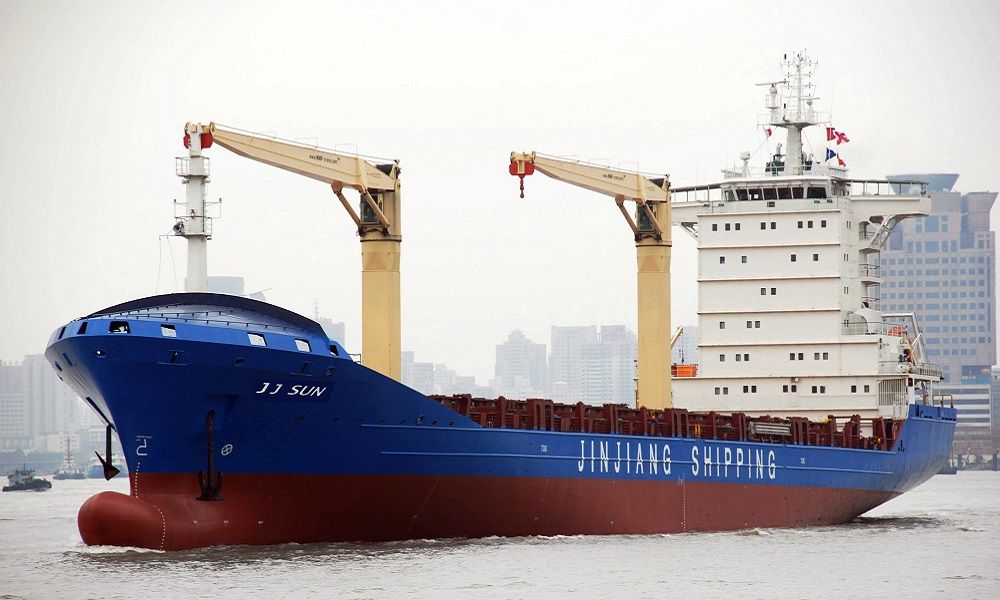
Shanghai-listed Jinjiang Shipping is doubling down on its feeder fleet renewal, exercising options for four additional 1,900 TEU containerships at Yangzijiang Shipbuilding, according to Splash247. The deal brings the total newbuilding program to eight vessels, reinforcing the carrier's focus on regional Southeast Asia trades.
Fleet Expansion Details
Jinjiang Shipping, controlled by Shanghai International Port Group, said its wholly owned subsidiary Manqiang Shipping has signed contracts with Jiangsu New Yangzi Shipbuilding and Jiangsu Yangzi Hongyuan Shipbuilding for the additional quartet. The newbuilds are sized at 1,900 TEU, slightly larger than the four 1,800 TEU vessels ordered earlier at the same yard group, which are due to start delivering in 2028.
The second batch is scheduled for delivery from May 2029 onwards, creating a staggered fleet renewal timeline over the next three years.
Financial Breakdown
The four new contracts are worth a combined RMB820m ($120.8m), equating to about RMB205m per ship. This matches the price of the first four vessels, which were contracted at the same total price. Together, the 4+4 program has a maximum value of RMB1.94bn as previously announced by Jinjiang.
The order forms part of Jinjiang's broader strategy to add bangkokmax tonnage — feeder vessels optimized for regional trades including Bangkok and other Southeast Asian ports — supporting its fleet renewal and Southeast Asia expansion plan first reported by Splash in March.
Jinjiang's Current Fleet
According to Alphaliner data, Jinjiang Shipping is currently the world's 32nd-largest liner operator, with a fleet of 54 ships and total capacity of approximately 63,400 TEU. Around half of the fleet is owned, and the newbuildings will increase both owned tonnage and overall capacity on regional routes.
| Order Batch | Vessel Size | Quantity | Total Value (RMB) | Delivery Start |
|---|---|---|---|---|
| First | 1,800 TEU | 4 | RMB820m | 2028 |
| Second (options) | 1,900 TEU | 4 | RMB820m | May 2029 |
| Total | - | 8 | Up to RMB1.94bn | 2028–2030 |
Implications for Regional Logistics
For freight forwarders and shippers operating on intra-Asia routes, Jinjiang's fleet expansion signals increased feeder capacity on lanes serving secondary Southeast Asian ports. As a controlled entity of Shanghai International Port Group, the carrier's network decisions are closely tied to Shanghai's port strategy. The addition of bangkokmax tonnage may improve sailing frequency and reliability on key Thailand-China corridors, particularly for time-sensitive containerized goods.
Operators should monitor Jinjiang's service slot allocations as the newbuilds enter the fleet from 2028, as additional capacity could either stimulate demand on under-served routes or lead to rate adjustments on competitive lanes. The carrier's existing fleet of 54 ships will be gradually refreshed, reducing average vessel age and potentially lowering operational downtime. Cargo owners with regular shipments to/from Bangkok and other Southeast Asian hubs should review long-term contracts to align with the carrier's expanding feeder network.
Sources: