iGEN
Visit IGEN World Explore IGEN Expo
EXPLORE UPGRADE PLANS
BREAKING
Werner Enterprises Posts Highest Revenue Per Truck Growth in One-Way Segment in a Decade CMA CGM and Stonepeak Launch United Ports LLC in $2.4 Billion Terminal Joint Venture UPS shift away from Amazon shows bigger payoff Lanesurf: 62% of Loads Get Vetted Carrier Offers Before Brokers Arrive India-China Border Trade Via Lipulekh Resumes Aug 1; China Permits 20 Traders Geopolitics Drives CMA CGM Q2 Profit Surge of 42% as Volumes and Rates Climb Benchmark Diesel Price Rises Third Week as Futures Plunge; Spread Hits Record Indian Government Limits Sugar Dealers to 400 Tonnes Stock Until November to Curb Hoarding Tenants signing longer leases for larger warehouses as 3PLs lock in capacity US stock market flat as S&P 500 and Dow barely move, Nasdaq slides over 1% on chip rout Werner Enterprises Posts Highest Revenue Per Truck Growth in One-Way Segment in a Decade CMA CGM and Stonepeak Launch United Ports LLC in $2.4 Billion Terminal Joint Venture UPS shift away from Amazon shows bigger payoff Lanesurf: 62% of Loads Get Vetted Carrier Offers Before Brokers Arrive India-China Border Trade Via Lipulekh Resumes Aug 1; China Permits 20 Traders Geopolitics Drives CMA CGM Q2 Profit Surge of 42% as Volumes and Rates Climb Benchmark Diesel Price Rises Third Week as Futures Plunge; Spread Hits Record Indian Government Limits Sugar Dealers to 400 Tonnes Stock Until November to Curb Hoarding Tenants signing longer leases for larger warehouses as 3PLs lock in capacity US stock market flat as S&P 500 and Dow barely move, Nasdaq slides over 1% on chip rout
Home ›› Logistics ›› Shipping Freight ›› Container Shipping ›› Indian Railways tightens contractor norms, unveils covered fly ash transport and unified licence regime

Indian Railways tightens contractor norms, unveils covered fly ash transport and unified licence regime

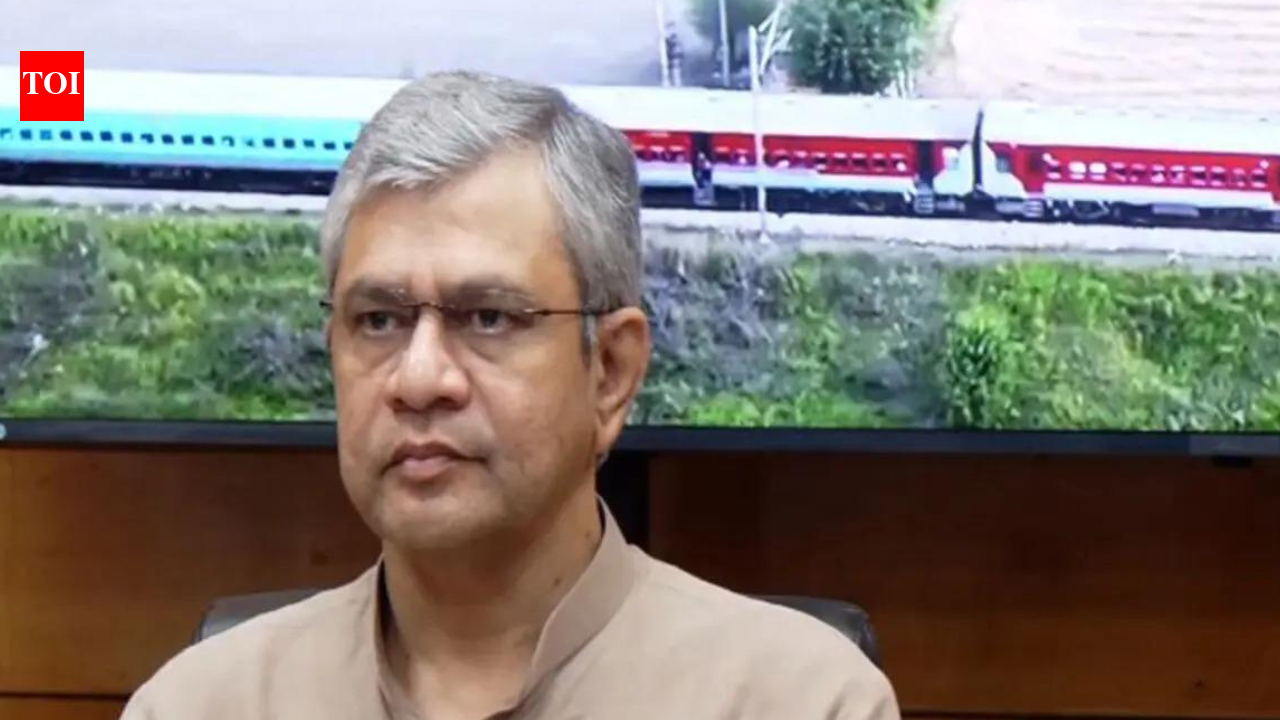
Indian Railways has announced a series of freight reforms including specialised covered containers for fly ash transport, a unified all-India licence regime for container train operators with a uniform fee of Rs 25 crore, and tightened contractor eligibility norms. Railway Minister Ashwini Vaishnaw stated the measures aim to reduce environmental hazards, improve logistics efficiency, and encourage serious contractors.

iG
iGEN Editorial
July 14, 2026
Indian Railways tightens contractor norms, unveils covered fly ash transport and unified licence regime

Indian Railways on Tuesday announced sweeping freight and logistics reforms that will directly impact shippers, logistics operators, and freight forwarders moving bulk commodities across India. The reforms introduce specialised covered containers for fly ash transport, a unified all-India licence regime for container train operators, and tightened contractor eligibility norms for railway projects.

Covered fly ash transport cuts pollution, opens new logistics lanes

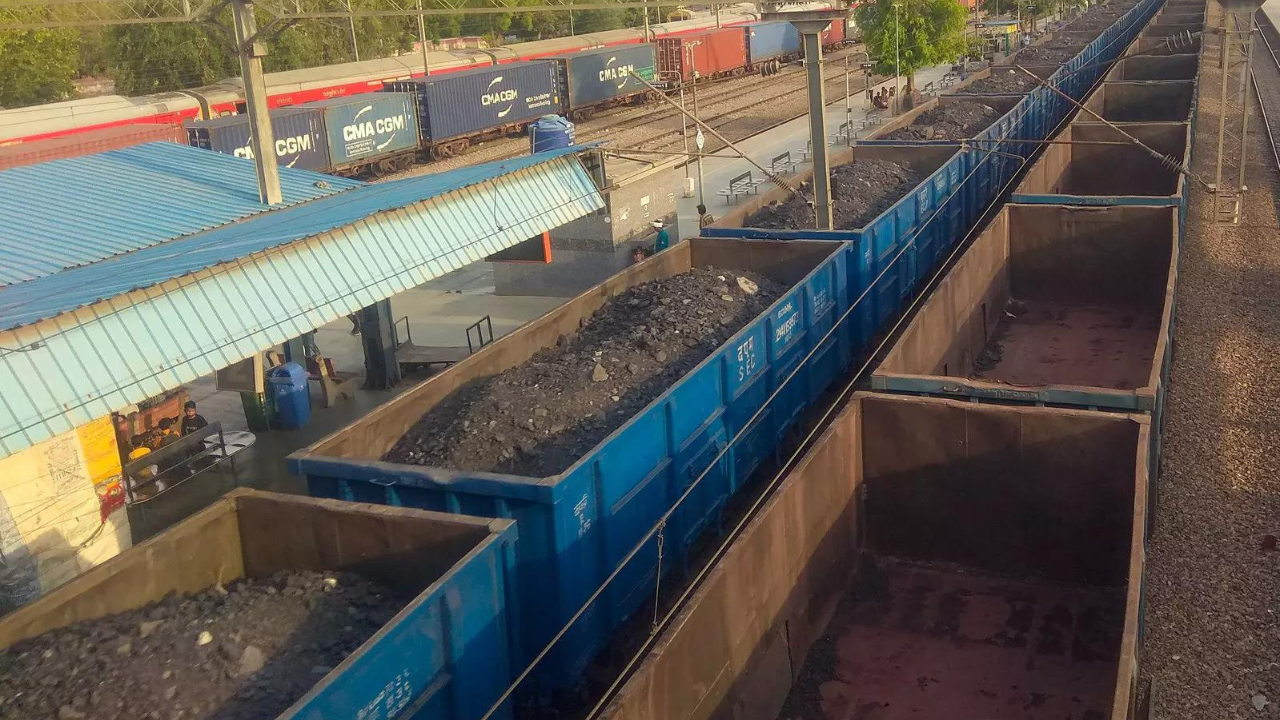
According to Railway Minister Ashwini Vaishnaw, India generates around 340 million metric tonnes of fly ash annually, of which 96 million metric tonnes is used by the cement industry. However, only 13 million metric tonnes – about 4 per cent – is currently transported by rail. The new reform shifts fly ash from open wagons to specialised covered containers with top-loading capabilities, addressing severe dust pollution during loading and transit.

"During rail transportation, loading fly ash into standard wagons causes severe pollution because fly ash is extremely fine and powdery. It creates massive clouds of dust during loading," Vaishnaw explained. The containerised system reduces pollution during loading, storage, and unloading while enabling easier handling using equipment such as reach stackers.

Parameter Current system New system
Container type Open wagons Covered containers with top-loading
Pollution during transit High – dust clouds at up to 100 km/h Low – enclosed transport
Handling equipment Manual or basic Reach stackers and mechanised

For freight forwarders and logistics managers, this creates new opportunities in the fly ash supply chain – especially for cement manufacturers and road construction companies that can now access cleaner, more reliable rail transport. The shift is likely to increase rail’s share of fly ash movement beyond the current 4%, reducing reliance on road transport and associated costs.

Unified licence regime simplifies container train operations

The Railways also introduced a unified all-India licence regime for container train operators. Under the new framework, operators require a single licence to operate across the country, with a uniform registration fee of Rs 25 crore for all routes. The ministry has also removed renewal fees after 20 years of successful operations. This reform aims to encourage private sector participation by reducing bureaucratic hurdles and upfront costs.

In parallel, Indian Railways announced plans to promote containerised transportation of petroleum products, fertilisers, and agricultural produce to improve handling, reduce contamination, and lower logistics costs. Additionally, the ministry opened the door for industries to develop freight wagon designs based on their operational requirements. The Research Designs and Standards Organisation (RDSO) will evaluate new designs, followed by prototype testing, safety certification, and approval before induction into the railway network.

Contractor eligibility norms tightened to improve project quality

Indian Railways also tightened contractor eligibility norms for railway projects. Key changes include:

  • Upfront performance security of 10% before work begins (instead of deductions from running bills)
  • Contractors with pending litigation exceeding 50% of their net worth are disqualified from bidding
  • Mandatory professional indemnity insurance and all-risk insurance

Vaishnaw explained the rationale: "The more serious people will participate in the work of the railway." The reforms are intended to improve construction quality while discouraging contractors focused primarily on arbitration and litigation. For logistics companies that also bid on railway construction projects, the new norms raise the bar for financial stability and insurance coverage, potentially weeding out less-capable players.

Broader implications for freight operations

The unified licence regime for container train operators directly impacts containerised freight movement across Indian Railways' network. Operators can now expand routes without multiple state-level licences, potentially leading to more competitive pricing and better service levels for shippers. The covered fly ash initiative addresses an environmental and operational pain point, while the contractor norms should reduce project delays – a perennial issue for logistics infrastructure dependent on rail connectivity.

Watch list: Implementation timelines for the covered container rollout; adoption rate of the unified licence by existing and new operators; and impact on fly ash rail volumes in the coming quarters.


Sources: Business-Today
Keep Reading

Recommended Stories

Railway Minister Vaishnaw Launches New Train Services but Details Are Unavailable in Source Logistics

Railway Minister Vaishnaw Launches New Train Services but Details Are Unavailable in Source

A Times of India article reported that Railway Minister Ashwini Vaishnaw launched new train services, but the published text contains no specifics on routes, extensions, or other operational details. The article instead describes the TOI Business Desk and lists financial calculators. No actionable intelligence for freight or logistics readers can be derived from the provided source.

July 6, 2026
India's Bullet Train Project: Indigenous Trains, Interoperable Signalling Set for 2027 Launch Logistics

India's Bullet Train Project: Indigenous Trains, Interoperable Signalling Set for 2027 Launch

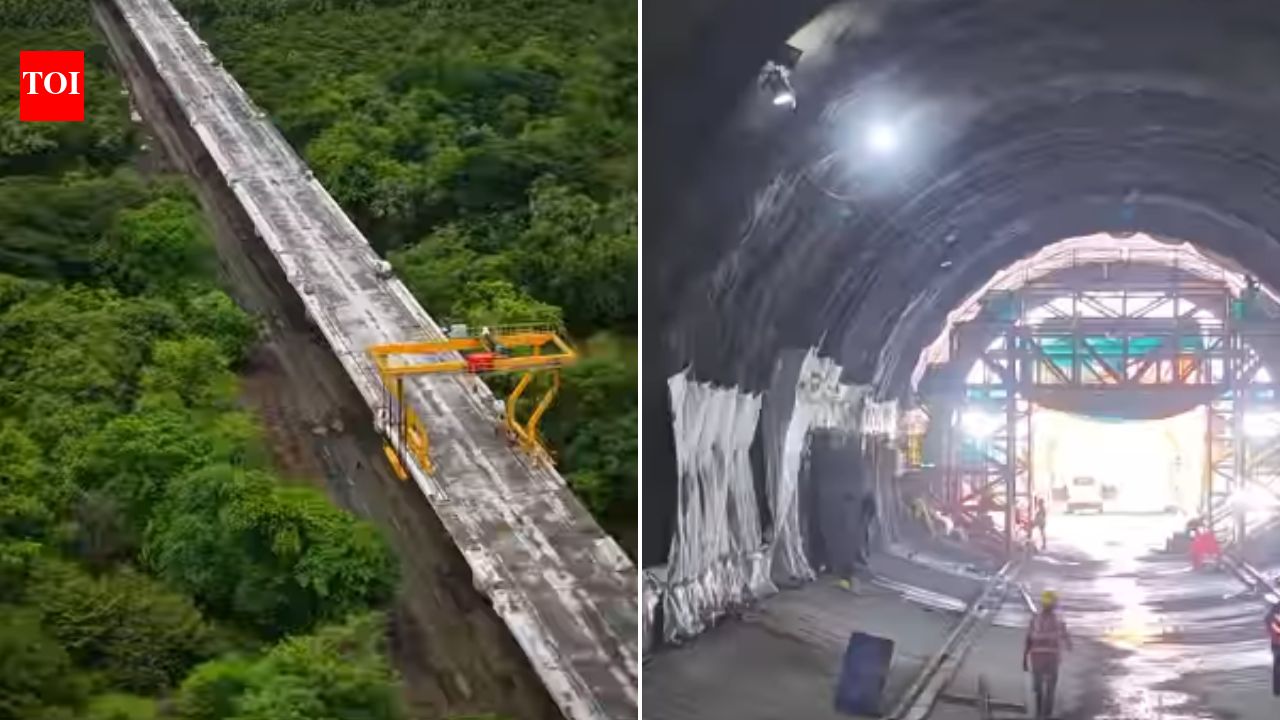
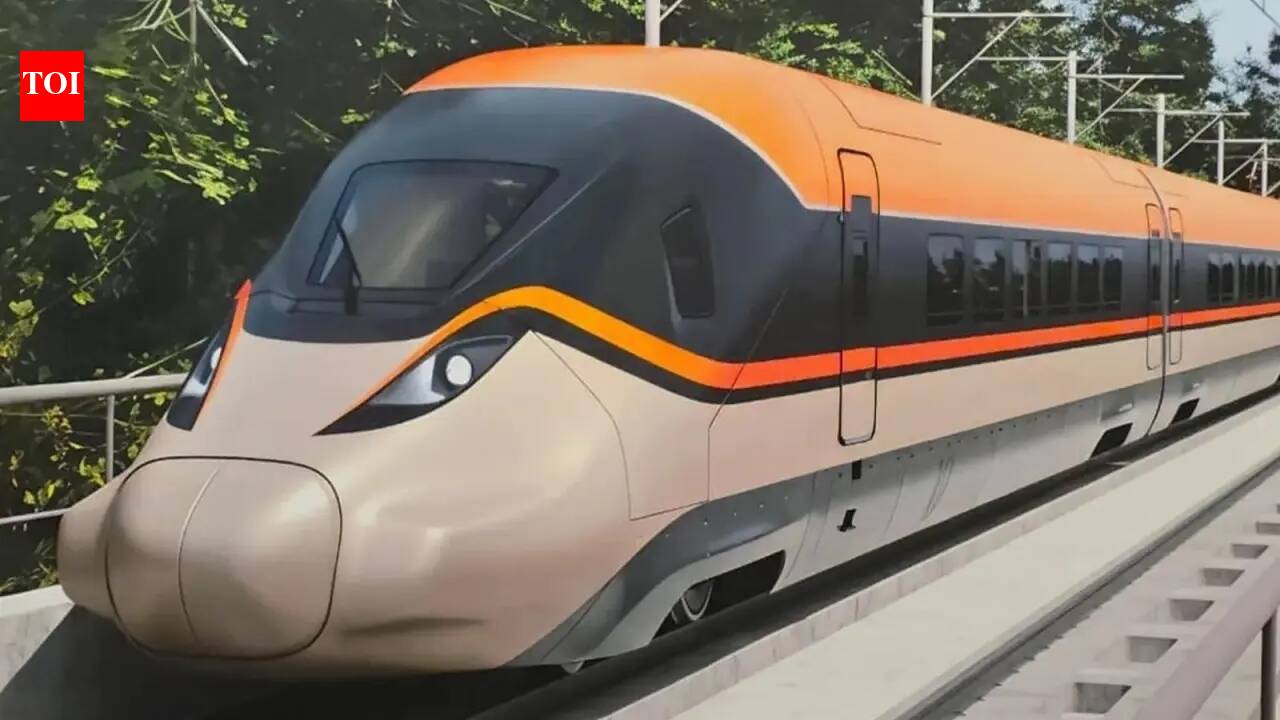
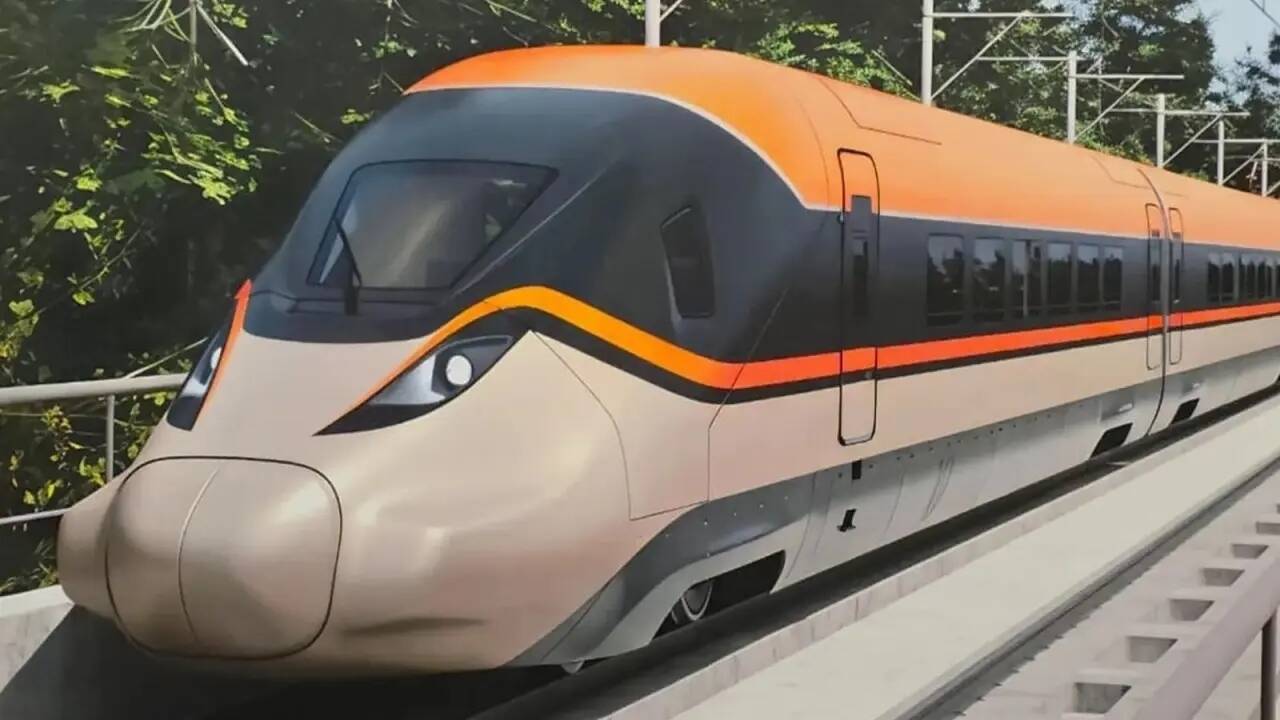
India and Japan jointly progress the Mumbai-Ahmedabad high-speed rail project, with indigenous bullet trains manufactured by BEML. Trials are set for mid-2027, and commercial services aim to start in August 2027 on the Surat-Vapi stretch. The trainsets, with a design speed of 280 kmph, are being built at BEML's 'Aditya' complex in Bengaluru.

July 20, 2026
India Launches First Hydrogen Train: World's Longest, Most Powerful Passenger Hydrogen Trainset Logistics

India Launches First Hydrogen Train: World's Longest, Most Powerful Passenger Hydrogen Trainset

Prime Minister Narendra Modi flagged off India's first hydrogen-powered train on July 17. The 10-coach train, running between Jind and Sonipat in Haryana, is the longest hydrogen passenger train in the world and one of the most powerful, with a 3,200 HP propulsion system. The train uses hydrogen fuel cell technology, producing only water vapour as emission. Designed and manufactured in India by RDSO, ICF, and Medha, the launch signals India's entry into the small group of countries operating hydrogen trains, with implications for future freight decarbonization.

July 17, 2026
Namo Bharat RRTS: 160 kmph Semi-High Speed Trains Reshaping Commutes Across Delhi-NCR Logistics

Namo Bharat RRTS: 160 kmph Semi-High Speed Trains Reshaping Commutes Across Delhi-NCR

The Regional Rapid Transit System (RRTS), operated by NCRTC, is connecting Delhi to satellite cities like Meerut at speeds up to 160 kmph. The 80 km Delhi-Meerut corridor now carries about 1 lakh passengers daily, with cumulative ridership crossing 3.5 crore. Multimodal integration with metro, buses, and railway stations is driving a demographic shift as professionals and students relocate from Delhi while retaining capital-based employment.

July 11, 2026