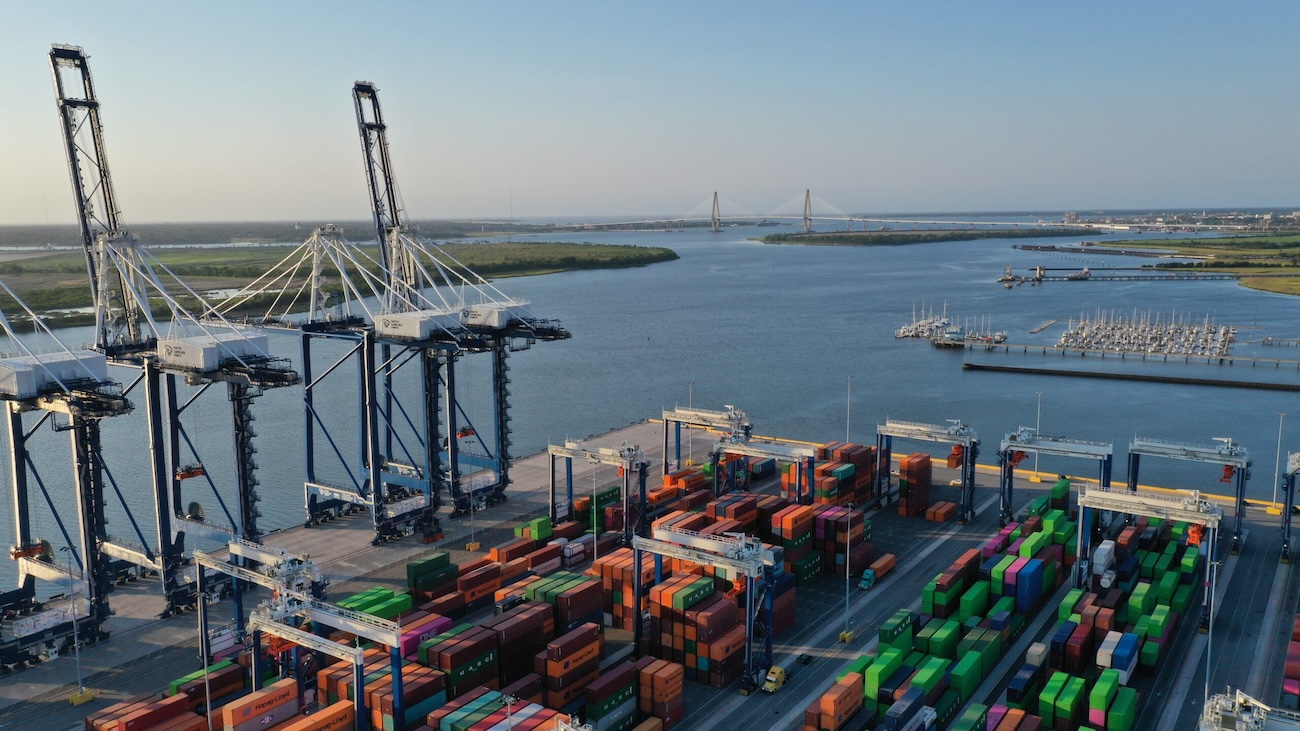
South Carolina Ports will pause container operations at the Hugh K. Leatherman Terminal in North Charleston effective Aug. 1, consolidating all container activity at the Wando Welch and North Charleston terminals, according to a statement from SC Ports. The move comes as trade uncertainty and tempered volumes pressure the port's cost competitiveness.
Reasons for the Shutdown
SC Ports cited an "uncertain trade outlook in the back half of 2026 coupled with the need to lower costs" as the primary reasons for the pause. The agency described the shutdown as a "short-term pause" aimed at aligning operations with current demand. Unlike a previous closure in 2024, which stemmed from a labor dispute, this decision is purely volume- and cost-driven. "The industry faces numerous headwinds, an uncertain trade forecast, and tempered volumes," SC Ports said in a statement. "This decision aligns with the port’s continued focus on cost competitiveness to ensure the business is well-positioned for growth."
Charleston Terminal Consolidation
Operationally, container work will be shifted to the Wando Welch and North Charleston terminals, which have sufficient capacity to handle the redirected volumes in the near term, according to SC Ports. The Leatherman Terminal currently has an initial capacity of 700,000 TEUs (twenty-foot equivalent units), with a planned full buildout to 2.4 million TEUs. The expansion project remains underway, but the terminal will not operate at its current capacity during the pause.
| Terminal | Current Capacity (TEUs) | Full Buildout Capacity (TEUs) | Status |
|---|---|---|---|
| Hugh K. Leatherman | 700,000 | 2.4 million | Paused from Aug. 1 |
| Wando Welch | Sufficient for redirected volumes | – | Active |
| North Charleston | Sufficient for redirected volumes | – | Active |
Inland Rail Network Implications
The inland rail network will primarily see routing and timing adjustments rather than changes in overall system capacity. SC Ports has tied Leatherman’s long-term role to the Navy Base Intermodal Facility, which is intended to connect the terminal to inland cargo handling. However, that wider expansion plan remains separate from the temporary pause. In the near term, cargo that would have flowed through Leatherman’s intermodal chain will instead move through the active Charleston terminals. Rail schedules, drayage patterns, and inland ramp timing may need to be adjusted around the Wando Welch and North Charleston facilities, according to SC Ports.
Watch List
- Trade policy developments: Further tariffs or demand shifts could extend the pause or accelerate reopening.
- Volume recovery at Charleston: If container volumes rebound, SC Ports may restart Leatherman sooner.
- Cost management: SC Ports will continue to monitor expenses; further consolidation moves are possible if the trade outlook worsens.
Sources: