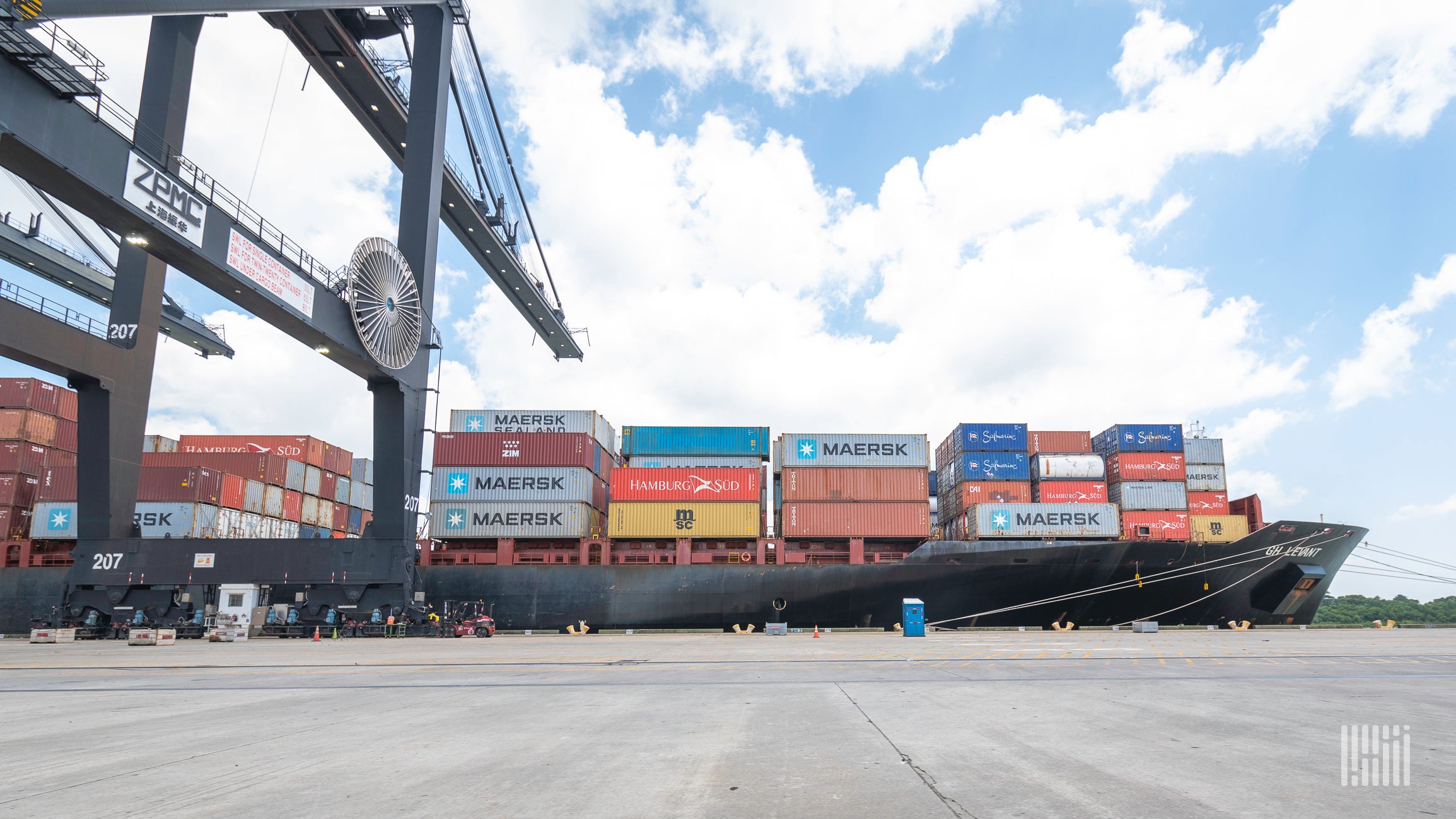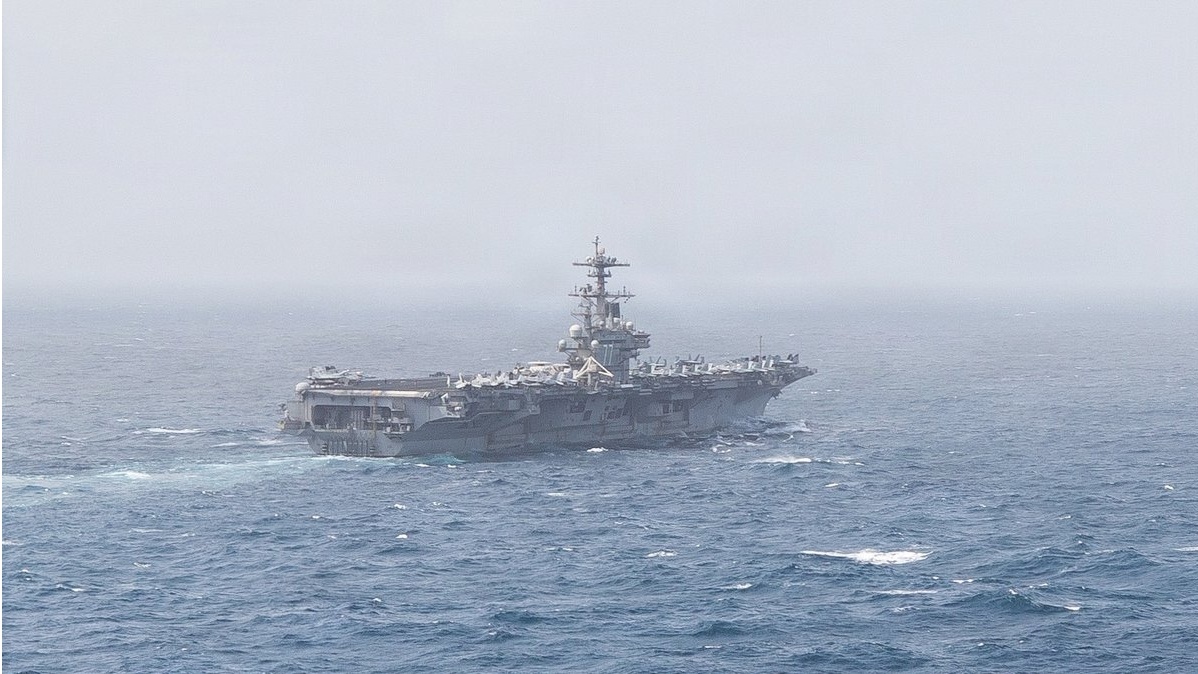
Ocean container rates continue to climb even as the United States and Iran negotiate a formal end to hostilities and shipping slowly resumes through the Strait of Hormuz, according to a FreightWaves analysis by Stuart Chirls.
Daily transits through the Strait of Hormuz collapsed from pre‑conflict levels of around 100–130 vessels per day – mostly tankers – to single- or low-double-digit daily crossings during the crisis, with some analyses reporting traffic at under 5–10% of normal levels at peak disruption, FreightWaves reported. Several trackers and intelligence reports show hundreds of vessels stranded inside the Persian Gulf. One of the largest to exit was the 16,000-TEU HMM Daon, which transited the strait on Monday, noted analyst Lars Jensen of Vespucci Maritime.
Bunker Costs Ease but Remain Elevated
Fuel costs are easing as oil flows recover, said Freightos research chief Judah Levine, in a note to clients. “Bunker prices are down 25% from March highs and 12% since early June, while jet fuel is down more than 40% from its peak – though both remain well above pre-war levels,” Levine said. Soaring costs and fears of tightening supplies at key bunkering centers had led shipping lines to implement emergency fuel surcharges on top of contractual adjustment mechanisms. That led at least one analyst to warn that shippers could be paying twice for increased fuel costs.
Ocean Freight Rate Surge Across All Major Lanes
Those increases are just one factor behind climbing container rates as frontloading importers look to get ahead of Asia tariff deadlines and higher prices slated for July by manufacturers. According to the Freightos (NASDAQ: CRGO) Baltic Index, spot rates have surged week-over-week:
| Trade Lane | Increase | Current Spot Rate per FEU | Daily Level (as of report) | Compared to 2025 Peak Season High |
|---|---|---|---|---|
| Trans-Pacific West Coast | +19% | >$5,700 | Already past $6,000 | Above |
| Trans-Pacific East Coast | +13% | $7,400 | Above $8,000 | Above 2025 peak season high |
| Asia-North Europe | +13% | $4,700 | — | Above last year’s peak season high |
| Asia-Mediterranean | +16% | $6,300 | — | Above last year’s peak season high |
Carriers are targeting $1,000–$3,000 per FEU increases for July, “though resistance to increases may be stronger than what carriers have encountered so far if demand is approaching its peak,” wrote Levine.
Operational Implications for Shippers and Forwarders
- Fuel surcharge duplication risk: With emergency surcharges added on top of contractual BAF mechanisms, shippers should audit their invoices and contracts to avoid paying twice for fuel cost recovery.
- Frontloading pressure: With Asia tariff deadlines looming and July GRI announcements already in play, forwarders must secure capacity early, especially on Trans-Pacific East Coast and Asia-Mediterranean lanes where daily rates have already exceeded last year’s peak.
- Post-war recovery uncertainty: While the HMM Daon and other vessels are transiting the strait, the pace of normalization remains unclear. Hundreds of vessels are still stranded, and daily transits remain a fraction of pre-war levels, which could sustain tight capacity and high rates.
Watch List
- July general rate increases: Whether carriers push through the full $1,000–$3,000/FEU increases or face resistance as demand may be peaking.
- Strait of Hormuz transit recovery: Speed of return to normal vessel flow (100-130 per day) and clearing of the stranded vessel backlog.
- Bunker price trajectory: Further declines in bunker and jet fuel prices could ease surcharge pressures, but remain well above pre-war levels.
- Tariff deadlines: Frontloading from Asia ahead of tariff implementation dates will continue to support strong demand and high rates.
Sources: