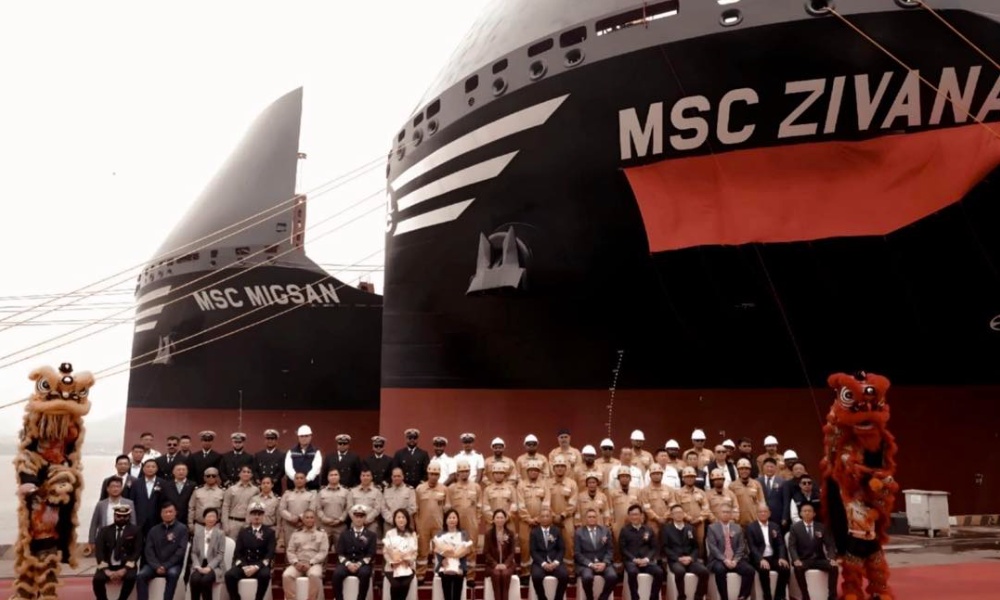
The containership orderbook has surged to a new post-2010 high, now representing 39% of the global fleet, according to data from consultancy Linerlytica. This significant increase is driven by robust market conditions and a total order backlog of 1,630 ships, amounting to 13.28 million TEU (Twenty-foot Equivalent Units).
Market Context
The current market dynamics are fueling this growth in the orderbook. MB Shiprokers noted in their latest report that there are firm projects in both mid-size and larger segments, with more expected to solidify before the summer holidays. Clarksons Research data highlights that 332 containerships have already been ordered in the first five months of 2026, nearing the record 750 ships ordered in 2025.
Impact on Trade Lanes and Ports
The increase in the orderbook is set to impact various trade lanes and ports globally. The heaviest delivery year is projected to be 2029, according to Alphaliner. This influx of new vessels could lead to changes in capacity and potentially affect freight rates across major shipping routes.
Shipper and Operator Implications
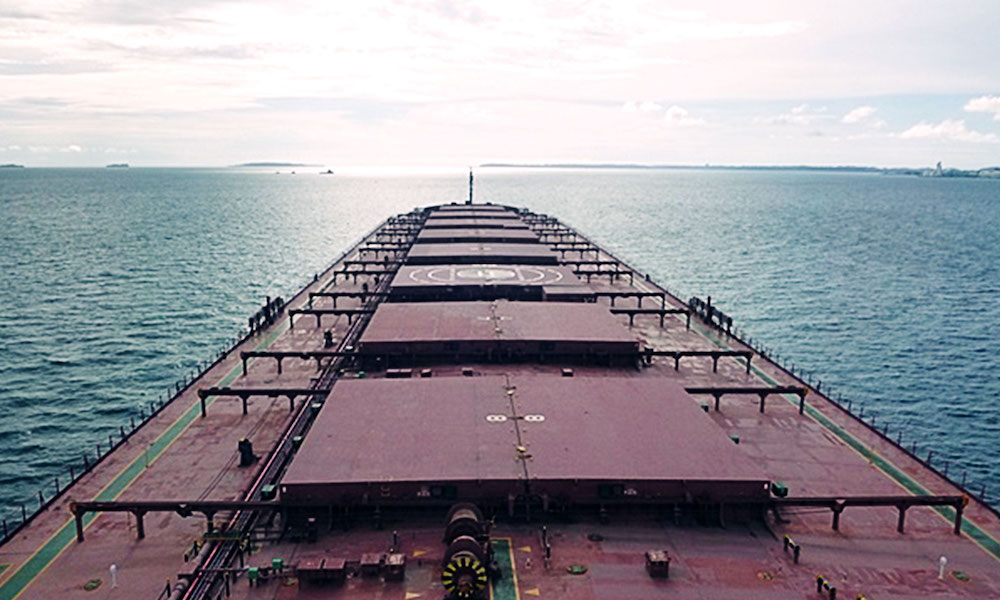
For shippers and operators, this expansion in the orderbook suggests a need to prepare for increased capacity and potential shifts in freight rates. The conversion of supramax bulk carriers into cellular container vessels, as reported by Alphaliner, indicates innovative solutions being explored to meet demand. These conversions involve Diamond 53 type open-hatch supramaxes, primarily built by CSSC Chengxi Shipyard in Jiangyin, China.
Watch List
- Delivery Schedules: Monitor the delivery timelines of new vessels, particularly those expected in 2029.
- Freight Rate Movements: Keep an eye on potential rate changes as new capacity enters the market.
- Conversion Projects: Follow developments in the conversion of bulk carriers to container vessels, which may influence capacity dynamics.
The ongoing expansion of the containership orderbook underscores the shipping industry's response to sustained market strength and highlights the need for strategic planning among logistics stakeholders.
Sources: