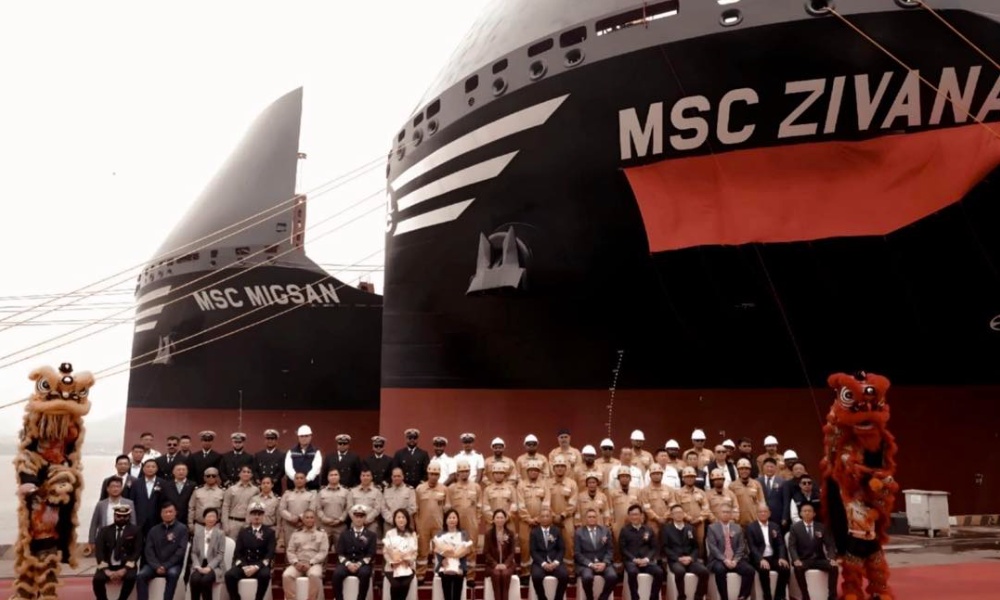
The operational impact of the record high VLCC orderbook is significant, potentially leading to changes in freight rates and market dynamics.
Context of the Record Orderbook
The current VLCC orderbook has reached 262 units, surpassing the previous record set in 2008, according to Clarksons Research. This surge is driven by the need to replace an aging fleet, as highlighted by Evangelos Marinakis, founder and chairman of Capital Maritime & Trading Corp. He noted that the current fleet is the oldest in decades, justifying the new orders.
Impact on Trade Lanes and Freight Rates
The increase in VLCC orders is expected to affect freight rates and market balance. Braemar suggests that while the new orders are concerning, they could be offset by the retirement of older vessels, maintaining a manageable fleet growth. However, Breakwave Advisors warns of a potential downcycle due to an imbalance in supply and demand.
Shipper and Operator Implications
For shippers and operators, the implications of the record orderbook are multifaceted. The potential for a downcycle in freight rates could affect profitability and operational planning. Operators should prepare for fleet adjustments as older, less fuel-efficient vessels are phased out, influenced by IMO's tightening CII regulations and potential sanctions relief on Iran and Russia.
Watch List
- Fleet Renewal: Monitor the pace of older vessel retirements and new deliveries.
- Regulatory Changes: Keep an eye on IMO regulations and sanctions policies.
- Market Dynamics: Watch for shifts in freight rates and supply-demand balance.
The VLCC orderbook's record high presents both challenges and opportunities for the shipping industry, with significant implications for freight rates and fleet management.
Sources: