The logistics industry is grappling with a new wave of freight fraud, where criminals use fake IDs, spoofed emails, and stolen identities to intercept shipments. This sophisticated blend of cybercrime and identity theft is costing the industry an estimated $18 million per day.
The Rise of Digital Deception
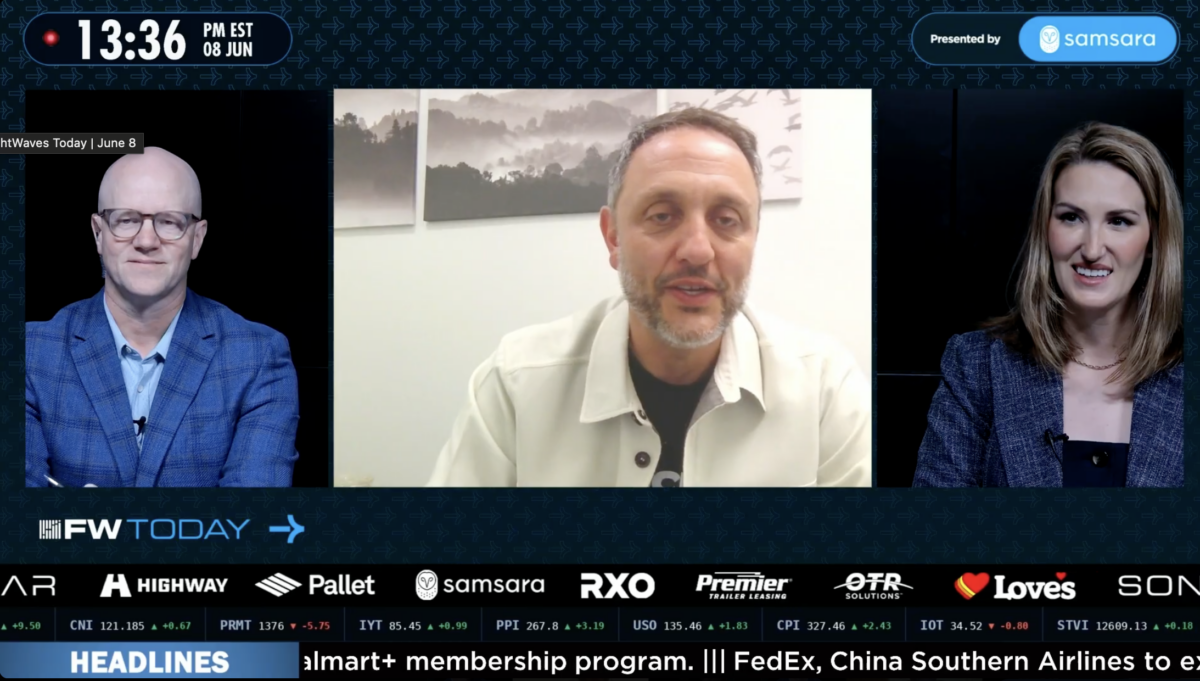
According to Jillian Kossman, COO of IDScan.net, the groundwork for these crimes is laid digitally. Criminals impersonate legitimate carriers or drivers, using high-quality fake IDs that are nearly impossible to detect without advanced technology.
"The IDs are so high quality. They are manufactured abroad. You can get a fake CDL from pretty much all 50 states for $25 or less," said Kossman.
Impact on Trade Lanes and Ports
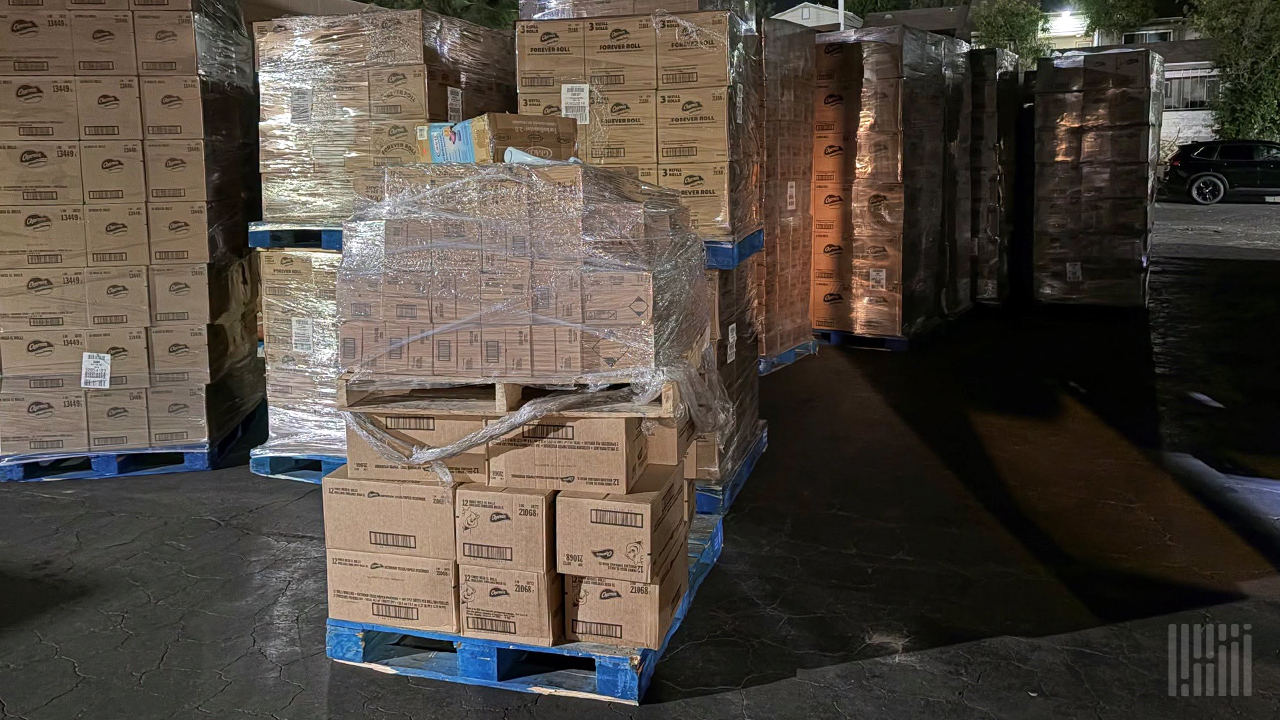
The fraudulent activities have primarily targeted shipments moving through logistics facilities in New Jersey, Pennsylvania, and Virginia. The Manhattan District Attorney’s Office has indicted eight individuals involved in a scheme that resulted in $4.49 million in cargo losses.
Implications for Shippers and Operators
Shippers and logistics operators must enhance their verification processes to combat these sophisticated fraud schemes. Implementing advanced ID scanning technology and improving email security protocols are critical steps.
- Enhance Verification: Use technology to verify IDs and credentials.
- Secure Communications: Implement robust email security measures.
- Monitor Shipments: Increase monitoring of high-value shipments.
Watch List
- Regulatory Changes: Potential new regulations on ID verification.
- Technology Advancements: Emerging tools for fraud detection.
- Industry Collaboration: Increased cooperation among logistics companies to share intelligence on fraud tactics.
| Fraud Type | Estimated Losses | Increase Rate |
|---|---|---|
| Identity Theft | $18 million/day | 117% YoY |
| Cargo Theft Scheme | $4.49 million | N/A |
The logistics sector must remain vigilant as criminals continue to evolve their tactics, leveraging technology to perpetrate fraud and disrupt supply chains.