Average weekly retail diesel prices have fallen to $4.83 per gallon, dropping below $5 for the first time in an extended period, according to FreightWaves. But a freight fuel analyst is warning that the apparent calm in energy markets masks a structural supply problem that could hit carriers and shippers within weeks.
The Supply Deficit Beneath the Surface
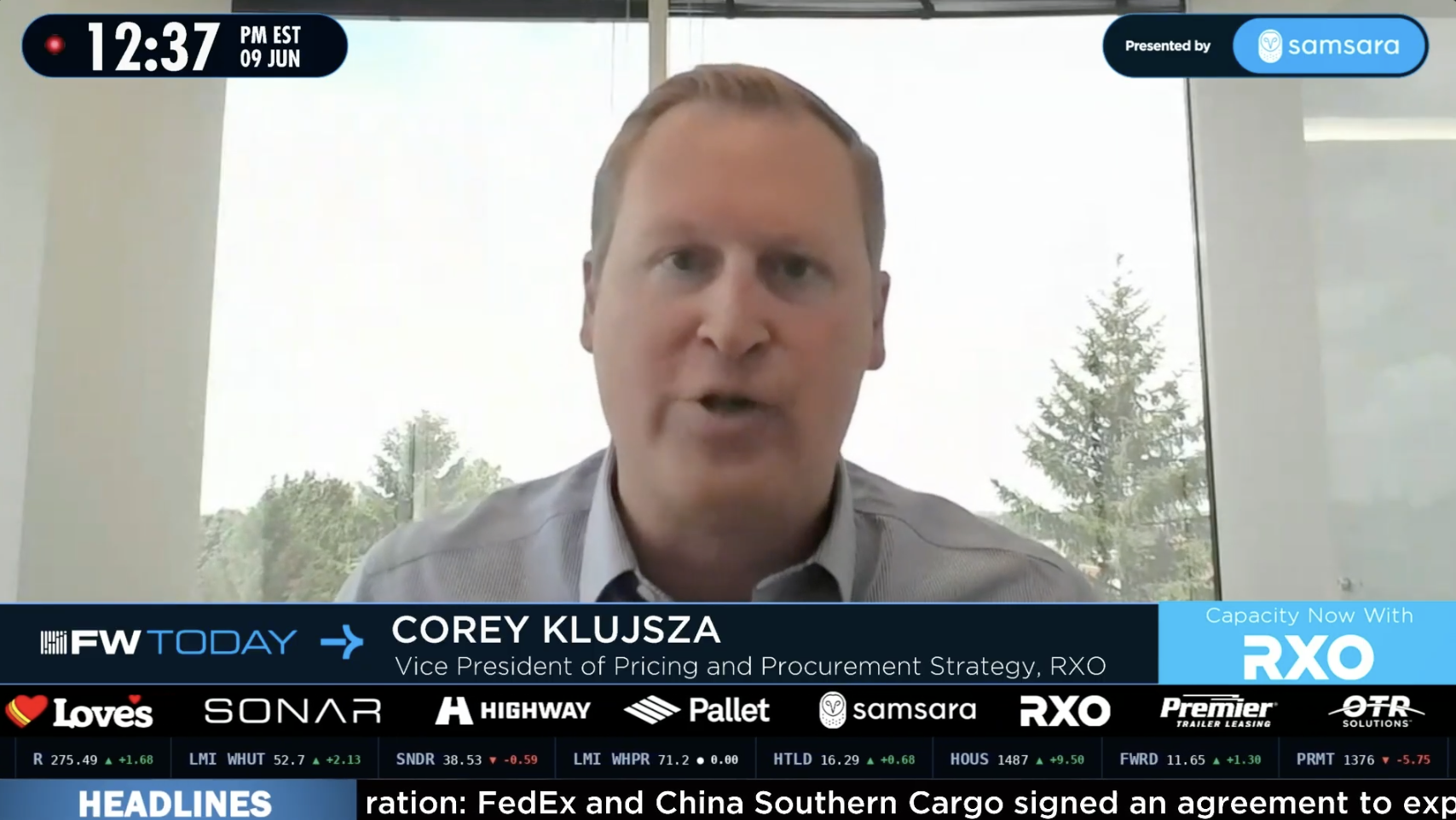
The analyst, citing Bank of America, noted that more than 1 billion barrels of oil supply have been lost since March. Prices have not spiked further only because of a sustained draw on petroleum inventories rather than genuine demand destruction. "We know that the market has lost roughly about — I think Bank of America estimated it more than 1 billion barrels of supply since March," the analyst said. "I do not think that there's been enough demand destruction to offset that." He added: "The reason that we haven't really had a total crisis is because of a massive inventory draw. Those inventories need to be restocked."
A Tank-Bottoms Crisis in 4–6 Weeks
The analyst placed the window for a potential tank-bottoms crisis — an industry term for petroleum storage reaching critically low levels — at the next 4 to 6 weeks. Beyond that near-term risk, he said the longer-term question is whether major producers including Iraq, Kuwait, Saudi Arabia, and the United Arab Emirates can restore shut-in production over 3 to 4 months. Oil wells, he noted, cannot be restarted like flipping a switch.
Budget Planning for 2026: Assume $70 Brent
For 2026 budget planning, the analyst recommended that shippers and dispatchers assume Brent crude will run roughly $10 per barrel higher than pre-war levels — landing near $70 per barrel — rather than reverting to pre-conflict norms. Notably, the International Energy Agency's June report and Bank of America both projected a significant supply surplus over demand in 2026, driven by increased output from the U.S., Canada, Brazil, and Guyana. However, the analyst said he is skeptical that surplus will materialize as cleanly as forecasters expect, in part because the Strait of Hormuz closure has introduced a persistent geopolitical risk premium on barrels transiting the waterway.
| Forecast Source | 2026 Supply Surplus | Risk Factors |
|---|---|---|
| IEA June Report & Bank of America | Significant surplus from U.S., Canada, Brazil, Guyana | Analyst skeptical; Strait of Hormuz risk premium |
Diesel Prices and Spot Freight Rates: Separate Tracks
On the question of whether diesel prices directly drive spot freight rates, both the analyst and a co-host pushed back on the conventional narrative. Spot trucking rates began rising around mid-to-late November, a period when diesel was weak and declining. One co-host noted that during an earlier freight recession, diesel hit a five-year high while rates sat at multi-year lows. The analyst said the two markets run on separate tracks, though he acknowledged that an acute fuel price spike could push marginal owner-operators — who lack fuel surcharge mechanisms available to large carriers — to park trucks, tightening capacity and pushing rates higher.
Carrier Financial Health at Risk
Carrier financial health remains a concern even as rates climb. The analyst cited reporting from a colleague tracking freight bankruptcies, noting that more insolvency stories are being written now than ever despite the rate recovery, as battered balance sheets from the prolonged freight recession continue to claim operators regardless of the current market upturn.
Implications for Shippers and Operators
For logistics professionals, the key takeaway is that fuel budgeting should account for a $70 Brent baseline in 2026, rather than counting on a return to pre-war lows. The next 4–6 weeks are critical: if inventory draws continue without production recovery, a tank-bottoms crisis could trigger rapid price spikes that ripple through diesel and ultimately freight rates via capacity reduction. Shippers with long-term contracts should review fuel surcharge clauses, while carriers should stress-test their cash positions against a potential 10–15% increase in fuel costs.
"We know that the market has lost roughly about — I think Bank of America estimated it more than 1 billion barrels of supply since March." — FreightWaves fuel analyst
Watch List
- 4–6 week window: Monitor weekly petroleum inventory reports for signs of critically low tank bottoms.
- 3–4 month recovery timeline: Track restart progress from Iraq, Kuwait, Saudi Arabia, UAE.
- Strait of Hormuz risk: Any escalation could add $5–10/barrel risk premium.
- Freight bankruptcies: Continued insolvencies could accelerate capacity removal even if demand holds.
Sources: