iGEN
Visit IGEN World Explore IGEN Expo
EXPLORE UPGRADE PLANS
BREAKING
Home ›› Logistics ›› Shipping Freight ›› Industrial Demand Fuels Freight Upcycle Amid Manufacturing Recovery

Industrial Demand Fuels Freight Upcycle Amid Manufacturing Recovery

The manufacturing sector's recovery is driving a freight upcycle, impacting ocean freight rates and port throughput. Industrial production is the key driver, with significant implications for logistics operations.

iG
iGEN Editorial
June 4, 2026
Industrial Demand Fuels Freight Upcycle Amid Manufacturing Recovery

The manufacturing sector's recovery is driving a freight upcycle, impacting ocean freight rates and port throughput. Industrial production is the key driver, with significant implications for logistics operations.

Manufacturing Surge Drives Freight Demand

The freight downturn of 2023 and 2024 has reversed, with industrial production leading the recovery. The Institute for Supply Management (ISM) Manufacturing PMI registered 54.0 in May, indicating expansion. This growth is driven by sectors like computer and electronic products, machinery, and transportation equipment.

Impact on Ocean Freight Rates and Port Throughput

The surge in manufacturing demand is affecting ocean freight rates and port throughput. Port of Shanghai and Port of Los Angeles are experiencing increased berth capacity utilization and longer dwell times. The Freightos Baltic Index (FBX) shows a 5% week-over-week increase in spot rates on the Transpacific eastbound lane.

Indicator May 2026 April 2026 Change
ISM Manufacturing PMI 54.0 52.7 +1.3
New Orders Index 56.8 54.5 +2.3
Freightos FBX (Transpacific) $2,500/TEU $2,380/TEU +5%

Shipper and Operator Implications

Logistics managers and freight forwarders should prepare for increased demand and potential capacity constraints. Ocean carriers like Maersk and CMA CGM are adjusting their networks to accommodate the surge. Shippers should consider securing capacity early and exploring alternative routes to mitigate delays.

"The breadth of manufacturing expansion suggests a self-sustaining recovery, not just a sector-specific rebound," notes a FreightWaves analyst.

Watch List

  • Potential labor strikes at major ports could disrupt operations.
  • Fuel price fluctuations may impact freight rates.
  • Regulatory changes in emissions standards could affect carrier operations.
Keep Reading

Recommended Stories

Trucking Market Enters Multi-Year Recovery as 20–25% of Capacity Exits Logistics

Trucking Market Enters Multi-Year Recovery as 20–25% of Capacity Exits

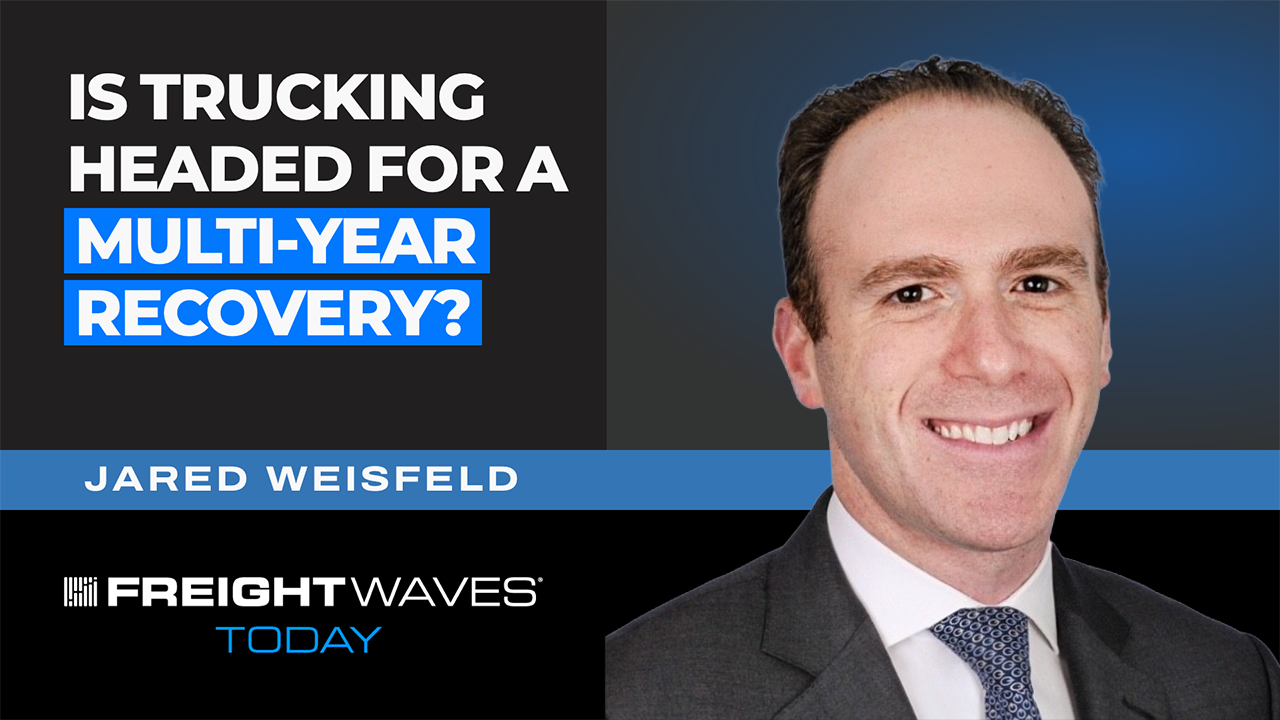
According to a FreightWaves interview, RXO Chief Strategy Officer Jared Weisfeld says 20-25% of for-hire truckload capacity is likely to exit amid government enforcement and rising costs, signaling a multi-year recovery. Spot rates are already up 30-50% year over year, tender rejections remain at multi-year highs, and shippers are consolidating freight with fewer brokers. Weisfeld advises locking in capacity partnerships now as the market tightens through September.

August 18, 2026
Cass Report: Freight Volume Recovery On Track for Second Half of 2026 Logistics

Cass Report: Freight Volume Recovery On Track for Second Half of 2026

The Cass Freight Index multimodal shipments component fell just 1.2% year over year in May, the smallest decline in 18 months, signaling a volume recovery in the second half of 2026. Expenditures jumped 7.5% YoY and the TL linehaul index rose 6.9% YoY, the largest gain in nearly four years. Supply constraints from tighter enforcement of driver rules are pushing rates higher.

June 15, 2026
Truckload carriers eye multiyear rate upcycle as capacity tightens Logistics

Truckload carriers eye multiyear rate upcycle as capacity tightens

The truckload market is entering a multiyear rate upcycle as capacity constraints tighten due to regulatory enforcement and cost inflation. Carriers like J.B. Hunt, Schneider National, and Werner Enterprises report accelerating contract renewals and double-digit rate hikes, while routing guides crumble and spot rates surge. Shippers face urgent need to secure sustainable carrier partnerships to mitigate rising costs.

June 12, 2026
Housing Market Woes Impact Freight Sectors Logistics

Housing Market Woes Impact Freight Sectors

The ongoing housing affordability crisis is significantly impacting freight demand, particularly in the rail and road sectors. With a decline in single-family housing starts, freight volumes for building materials are down, affecting logistics operations.

June 6, 2026