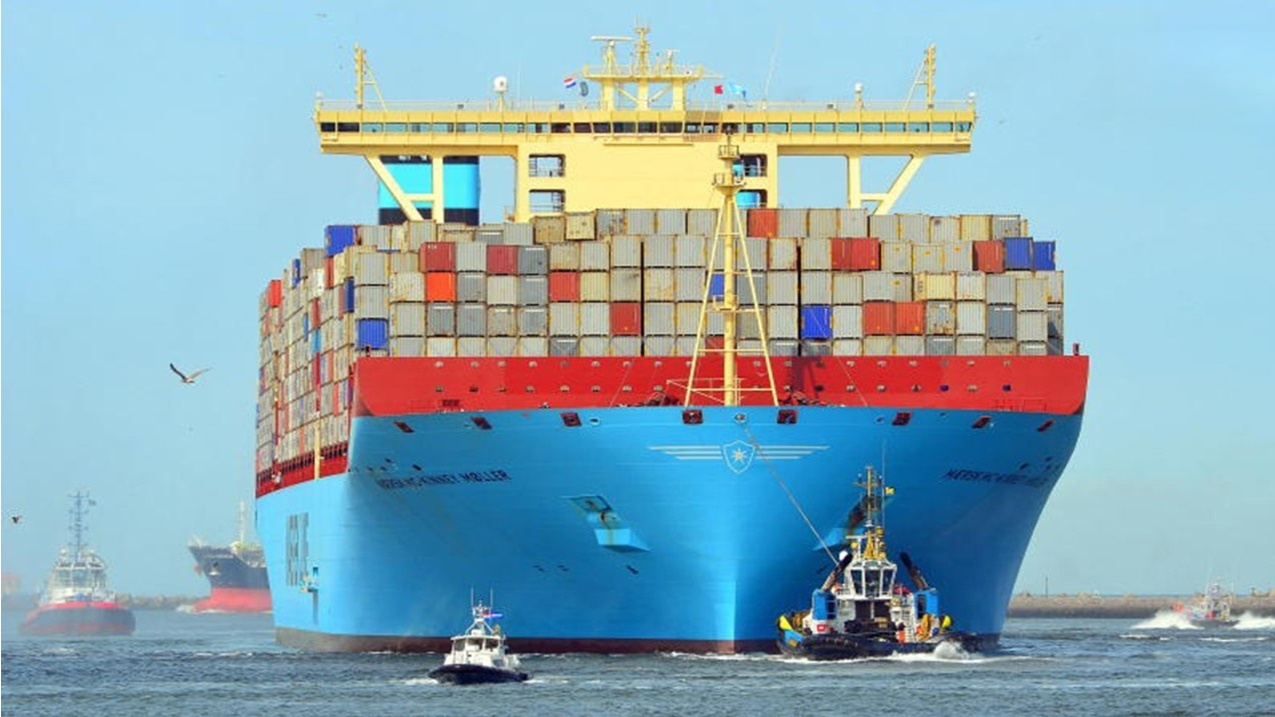
Maersk, the world’s second-largest container carrier, has denied reports that one of its vessels recently transited a critical and dangerous Middle East shipping route. This denial comes in response to a report by British analyst Drewry, which claimed that a Maersk vessel had transited the northern portion of the Suez Canal trade lane during the week of May 17.
Context and Background
The report by Drewry, which cited automated tracking data and information from Maersk’s website, indicated that Maersk Line Limited’s vessel, the Maersk Elba, called at Jeddah, Saudi Arabia, in the Red Sea on May 16. However, Jesper Lov, a spokesman for Maersk, stated, "We cannot confirm what you are hearing and what Drewry is apparently reporting."
Impact on Trade Lanes
Since late 2023, major container lines and tanker operators have largely avoided the Red Sea-Suez route due to attacks by Houthi rebels in Yemen. These attacks have led to significant diversions, with vessels rerouting around Africa, adding up to two weeks of sailing time to typical voyages. The Red Sea crisis has absorbed the equivalent of 2 million containers in annual capacity.
| Year | Suez Canal Vessels | Revenue (Million USD) |
|---|---|---|
| 2025 | 1,243 | 368 |
| 2026 | 1,315 | 449 |
Shipper and Operator Implications
The ongoing situation has resulted in increased transit times and potential risks for shipping companies. Shippers should consider alternative routes and remain vigilant about security updates in the region. Operators are advised to monitor geopolitical developments closely and adjust their logistics strategies accordingly.
"The frequency and intensity of the attacks on Red Sea vessels waned in 2025 as Houthi sponsor Iran was overwhelmed by its own domestic troubles."
Watch List
- Geopolitical tensions in the Middle East, particularly involving the Houthi rebels and Iran, could further impact shipping routes.
- Suez Canal traffic and revenue trends should be monitored for signs of recovery or further disruption.
- Security advisories from international bodies regarding piracy and hijacking risks in the region.
The situation remains fluid, and stakeholders in the shipping and logistics sectors should stay informed of any changes that could affect their operations.