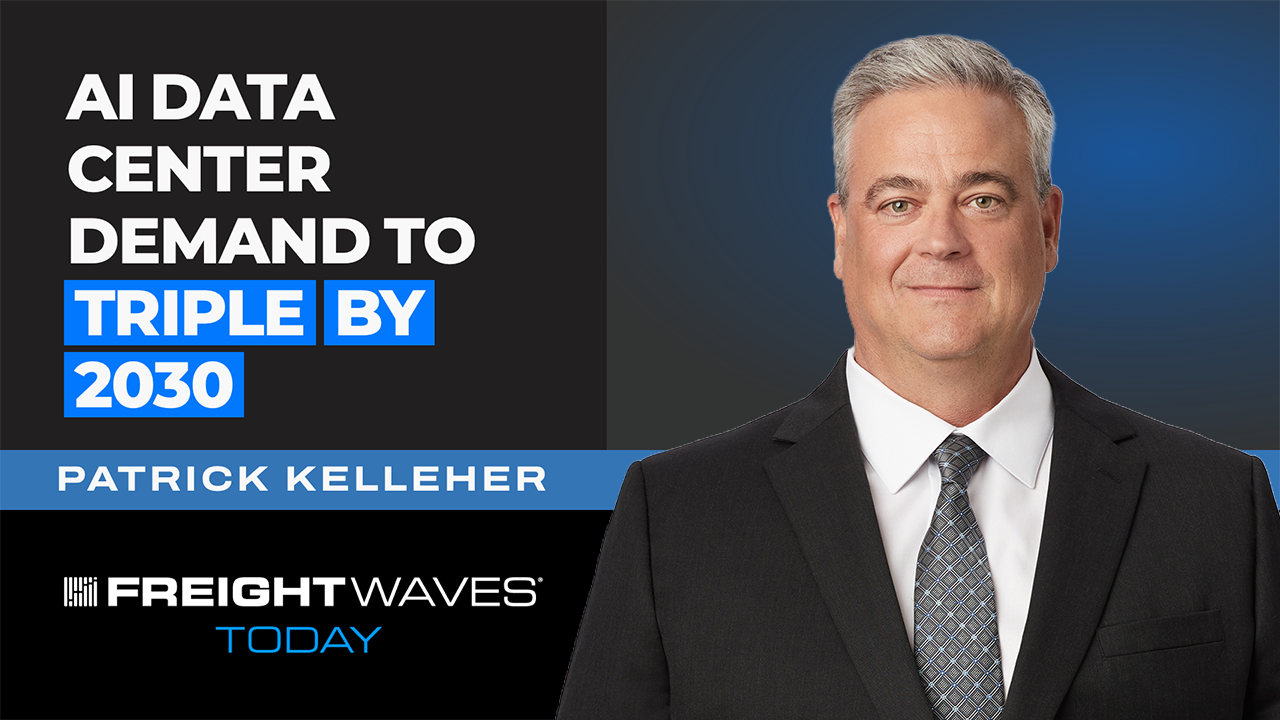
According to FreightWaves, GXO Logistics CEO Patrick Kelleher predicts AI data center capacity will triple by 2030, and the $13 billion contract logistics provider is positioning its supply chain services to capture that demand well into the next decade. Speaking on FreightWaves Today, Kelleher said GXO's data center business — which covers both the forward build and the maintenance and sustainment of facilities — is already seeing "substantially accelerated growth," and he expects the momentum to continue through at least 2027.
Data center capacity to triple by 2030
Kelleher cited Nvidia's half-trillion-dollar investment commitment as evidence that capital continues to flow into the sector. "I don't see the demand for data center capacity diminishing even into 2030, 2035," he said. According to Kelleher, GXO has developed an offsite rack assembly and wiring process — moving that work out of the cramped data center floor into a production-line environment — that allows it to stand up facilities in as little as 30 days and build for multiple data centers out of a single facility.
"I subscribe to the statistics that are out there that data center capacity is going to triple by 2030. I believe that because if I look at GXO as just a small $13 billion revenue organization that is part of a bigger economy, our focus on AI and the application of AI in our business is one of our top priorities, and I only see it accelerating as we go forward." — Patrick Kelleher, CEO, GXO Logistics
FreightWaves reported that the sustainability of that demand is a question freight professionals are watching closely, given ongoing debate about power constraints and the risk of overbuilding.
Warehouse robotics economics
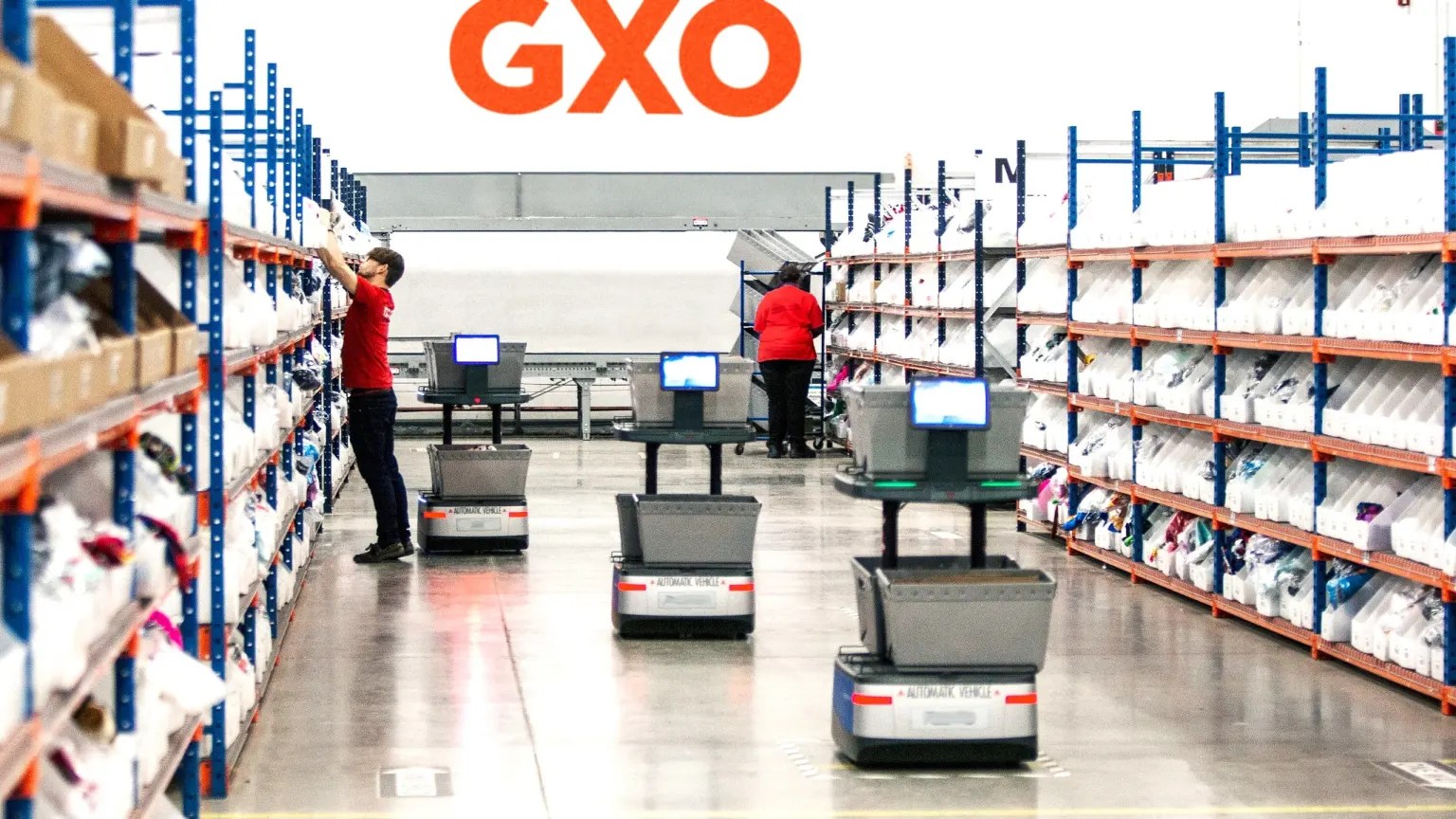
Kelleher said GXO has completed more than 45 humanoid pilots, with another launching in Europe in the second half of this year. He projected that the cost of a humanoid unit will be cut in half within two years, while operating costs — currently running $10 to $15 per hour — should fall below $10 per hour over the same timeframe. Kelleher put total operating costs at $15 to $20 per hour within two years, a threshold he said is necessary to achieve return on investment. GXO currently has humanoids successfully picking cosmetics and apparel, he said.
| Cost metric | Current | Projected within 2 years |
|---|---|---|
| Humanoid unit cost | Not disclosed | Cut in half |
| Operating cost per hour | $10–$15 | Below $10 |
| Total operating cost per hour | Not disclosed | $15–$20 |
Power consumption, he added, has not been a limiting factor; 40% of GXO's warehouses already carry high robotics fit-outs, and battery technology improvements are keeping energy demand manageable.
Redomestication redraws warehouse map
Kelleher flagged reindustrialization as a genuine shift reshaping warehouse location strategy: as manufacturers move production onshore, logical warehouse locations are migrating away from coastal ports toward interior markets. He specifically named Texas, Georgia, Florida, Phoenix, Salt Lake City, Indianapolis, Louisville, and Columbus, Ohio as markets seeing accelerated activity. Kelleher said intermodal is gaining relevance as part of this shift.
Defense and UK government contracts
Kelleher pointed to aerospace and defense as a high-growth vertical. He formed a defense advisory board in February, staffed with former senior military officials from the supply chain side, and announced a UK partnership — branded Taurus — with Amentum and Maersk to pursue contracts with the British government. Kelleher confirmed GXO is targeting a total addressable market tied to the U.S. defense bill that has been cited at $1.5 trillion. "That's the number we use. And that's a good TAM."
Peak season outlook
On the consumer side, Kelleher said GXO's retail, CPG, and e-commerce verticals have been "relatively flat on volume" in aggregate but that the company expects to be "at or better than last year" for peak season based on current customer behavior.
As reported by FreightWaves, the projected tripling of data center capacity by 2030, combined with the redomestication shift and defense vertical expansion, signals sustained demand for specialized contract logistics and interior-market warehousing. Freight forwarders and 3PL operators may need to weigh humanoid robotics investments and offsite assembly capabilities as these markets develop.
Sources: