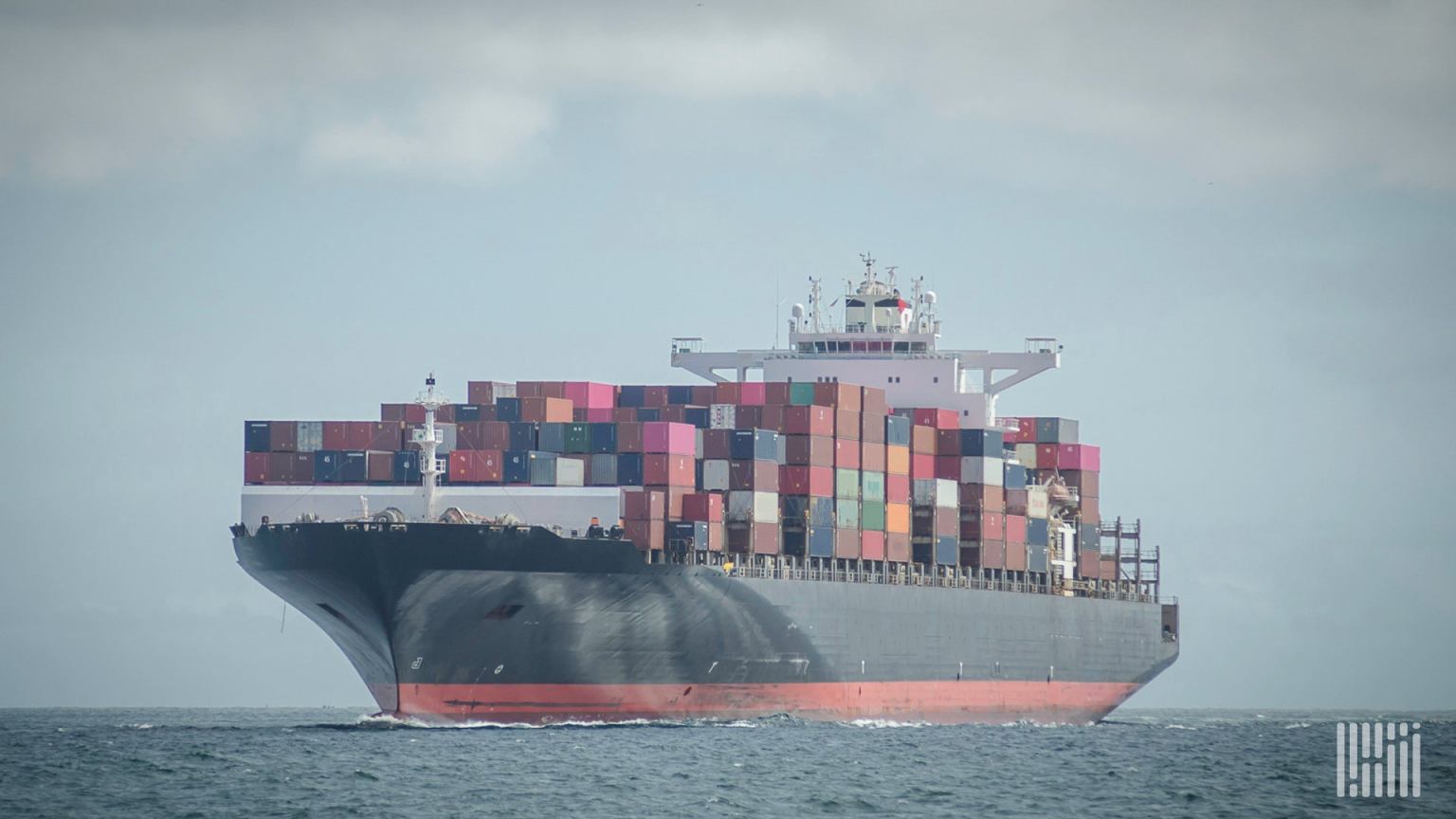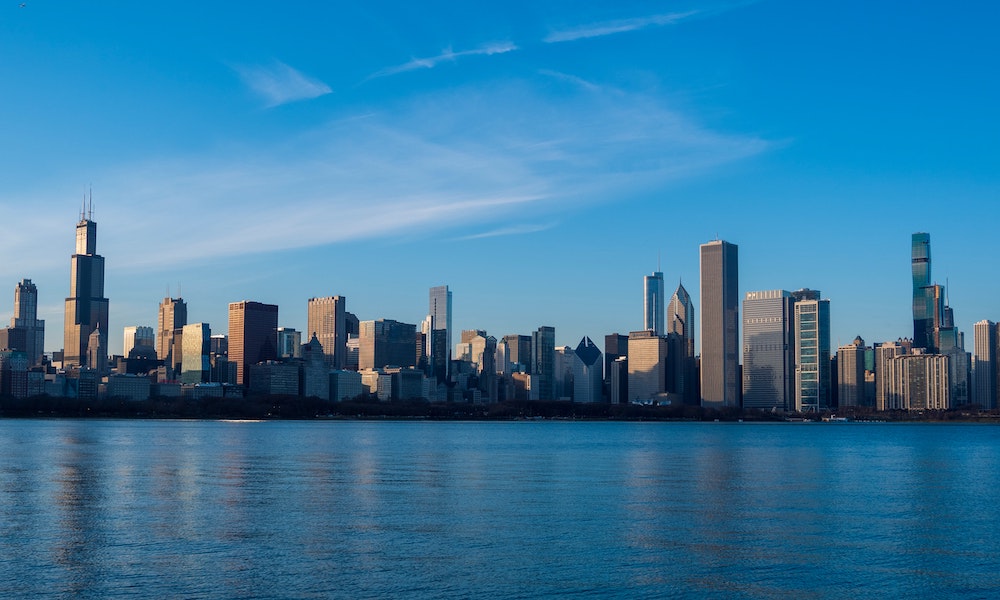
Burns Harbor is set to become the first ocean-served container terminal for the Greater Chicago market, with a new sea cargo box facility opening in Portage, Indiana, approximately 20 miles from downtown Chicago, according to Splash247. The terminal will be the only all-water container gateway serving the region via the Great Lakes and St Lawrence Seaway, offering a direct alternative to current rail and truck moves.
Project Background and Investment
The new terminal is part of a $100m expansion at Burns Harbor – the largest investment at the port since it opened in 1970, Splash247 reported. The wider programme includes new dock and rail infrastructure, and officials are also working to reopen one of the largest grain export facilities on the Great Lakes.
Regulatory and Infrastructure Milestones
The US Customs and Border Protection approved the container terminal in 2024, clearing the way for a staffed cargo examination facility, Splash247 stated. Ports of Indiana is providing the customs office, inspection equipment, radiation portal monitors, and security infrastructure required for international container handling. The terminal itself will offer around 15 lifts per hour via a Logistec-managed container management system, 24-hour security, gated access, and night-vision camera coverage. The port has 9,000 ft of dock, 10 seaway berths, and full-time tug support.
Operational Benefits and Trade Lane Impact
According to Splash247, the all-water route could cut as many as 10 days from some European container moves into the Chicago market, while also reducing congestion and emissions. Chicago is North America’s biggest intermodal container market, but currently all boxes move into the region by rail or truck. The new terminal can connect directly with Europe, tranship via Canadian ports, and offer barge links to the Gulf. A trial shipment is planned before the end of the year.
| Metric | Current (Rail/Truck) | All-Water via Burns Harbor |
|---|---|---|
| Transit time from Europe | Baseline | Up to 10 days faster |
| Mode | Rail or truck | Ocean + Great Lakes |
| Impact on congestion | High in rail/truck corridors | Reduced emissions and congestion |
Shipper and Operator Implications
For shippers moving containerised goods between Europe and the Chicago area, the new terminal offers a potential 10-day reduction in transit time compared to existing inland modes, according to Splash247. Freight forwarders and 3PL operators should evaluate routing options via Burns Harbor, especially for time-sensitive cargo. The terminal’s 15 lifts per hour and Logistec management indicate moderate throughput capacity, suitable for initial volumes. Ports of Indiana’s investment in customs inspection infrastructure ensures seamless clearance.
Watch List
- Trial shipment planned before end of 2026 – performance and schedule will determine commercial viability.
- Grain export facility reopening – could boost backhaul volumes and port utilisation.
- Carrier interest – no ocean carriers announced yet; initial services likely tied to trial shipments.
- Seasonal constraints – Great Lakes navigation is limited by winter ice; year-round service may require ice-class vessels.
Sources: