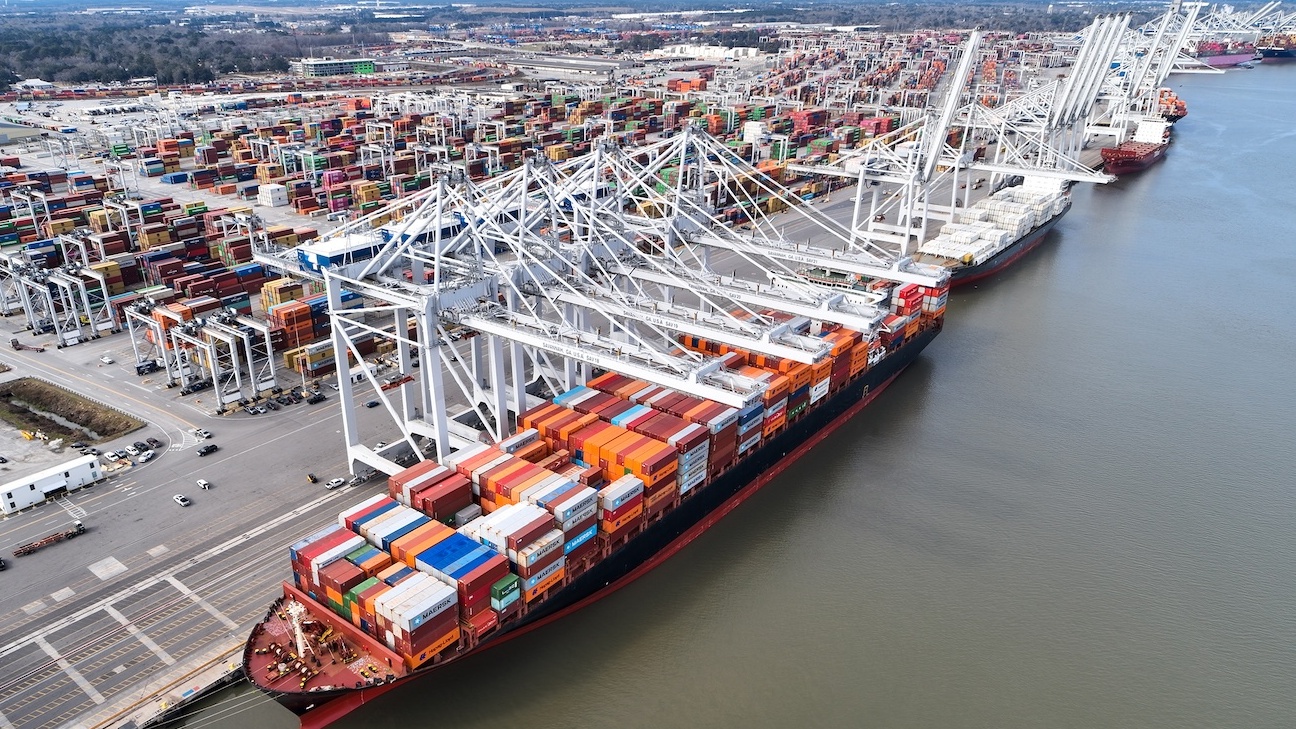
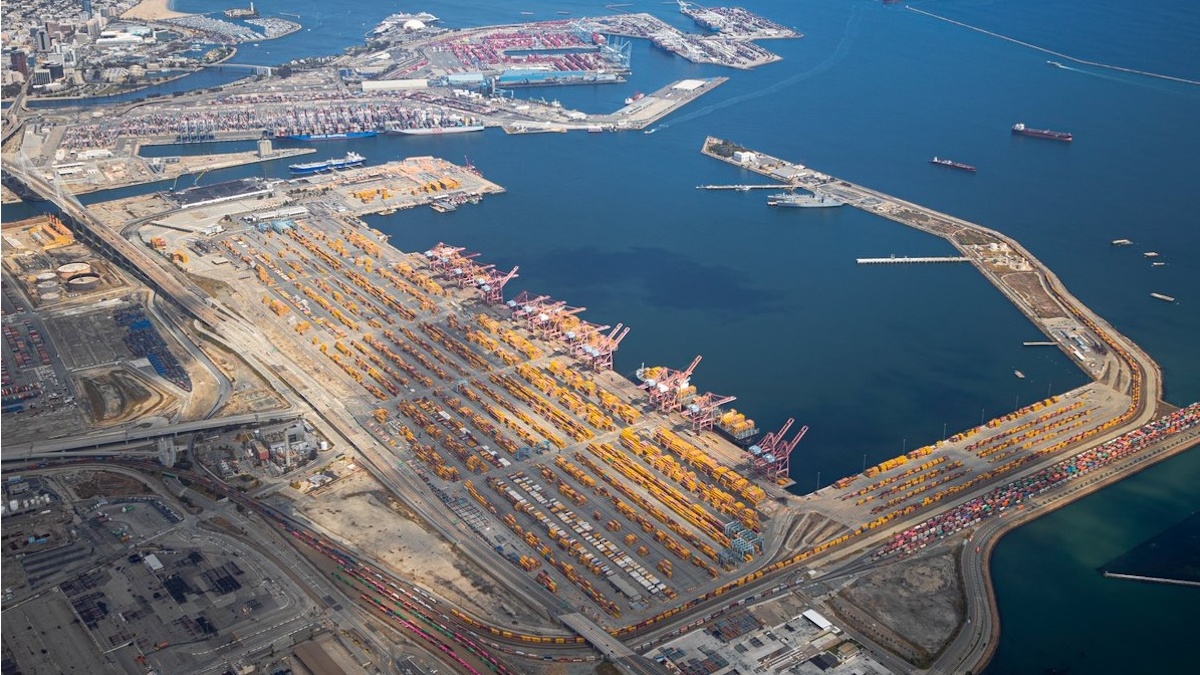
The port of Dunkirk has started construction of its second container terminal, a €303m ($346m) expansion that will more than double its container handling capacity, according to Splash247. Once completed, the new facility will be able to handle two ultra-large containerships simultaneously, a critical upgrade for a port that saw its Terminal des Flandres operate at 88% of capacity in 2025.
Project details
Grand Port Maritime de Dunkerque awarded the quay civil works package to a joint venture led by Spie Batignolles. The scope includes construction of a 1,000 m deepwater quay wall, a 170 m connection section, and dredging to 17.5 m. Works are expected to run until 2029.
The quay is the centrepiece of Dunkirk's CAP 2020 scheme, which cleared a key funding hurdle in December 2024 when the European Commission approved €127m in French state aid for the project.
Capacity and throughput
Dunkirk aims to lift container capacity from the 850,000 TEU currently available at Terminal des Flandres to about 2m TEU.
| Metric | Value |
|---|---|
| Current capacity | 850,000 TEU |
| Target capacity | ~2m TEU |
| 2025 throughput | 747,000 TEU (88% of capacity) |
| Investment | €303m ($346m) |
| Quay wall length | 1,000 m |
| Dredged depth | 17.5 m |
| EC state aid approved | €127m (Dec 2024) |
The expansion follows a record year for the French northern range port. Terminal des Flandres handled 747,000 TEU in 2025, equivalent to around 88% of its installed capacity, strengthening the port's case for additional infrastructure as congestion and capacity pressure continue to affect parts of the northern European port range, Splash247 reported.
Liner network relevance
Dunkirk has also been regaining liner network relevance. Earlier this year, the port was reinstated on the Ocean Alliance Far East-North Europe FAL1 service operated by CMA CGM.
Shipper and operator implications
For freight forwarders and ocean carriers, the expansion signals a long-term increase in capacity at a key French northern range port, alleviating potential congestion on the Far East-North Europe lane. The ability to handle two ultra-large containerships concurrently will improve berth productivity and reduce waiting times. Shippers using the FAL1 service will benefit from restored direct calls. The project's timeline to 2029 means near-term capacity remains tight, but the commitment to investment provides visibility for supply chain planning.
Watch list
- Construction milestones through 2029, especially quay completion and equipment installation.
- Potential further state aid or private investment as the CAP 2020 scheme progresses.
- Changes in Ocean Alliance or other liner services that may add Dunkirk to additional strings.
- Northern European port congestion levels and how Dunkirk's expansion aligns with demand growth.
Sources: