The Federal Motor Carrier Safety Administration is proposing to permanently codify English-language proficiency enforcement, a move that could lock in out-of-service orders for thousands of truck drivers and tighten U.S.-Mexico cross-border freight operations, according to FreightWaves.
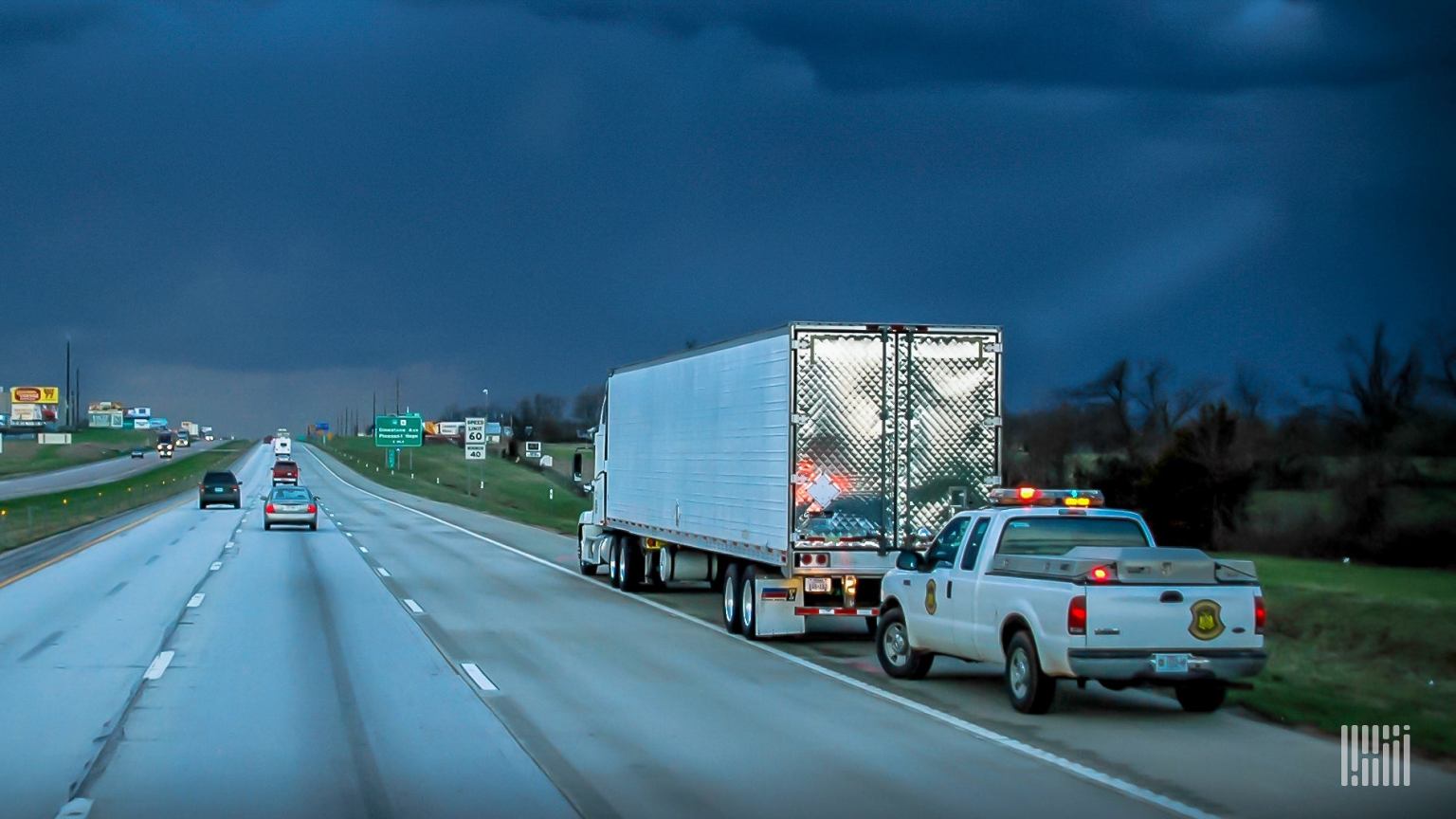
According to FreightWaves, U.S. Transportation Secretary Sean P. Duffy announced Friday that FMCSA is proposing to codify guidelines requiring commercial drivers who cannot sufficiently read or speak English or understand highway traffic signs and signals to be placed out of service. FreightWaves reported that the Department of Transportation (DOT) said more than 26,000 commercial drivers have already been placed out of service for failing English-language proficiency (ELP) requirements since the Trump administration reinstated strict enforcement.
What the proposal would change
DOT said the proposal would also establish a nationwide standard so states apply the same out-of-service requirement, according to FreightWaves. The notice of proposed rulemaking opens a public comment period before FMCSA can issue a final rule. Codifying ELP as a federally mandated out-of-service violation could make one of the Trump administration's most consequential trucking enforcement policies harder to reverse, FreightWaves reported.
Duffy defended the rule in a statement reported by FreightWaves:
Federal law is clear, drivers who can’t read or speak English — our national language — or understand road signs are unqualified to operate 80,000-pound big rigs on America’s highways.
He added that making the standards permanent would close "a dangerous loophole that has cost Americans their lives," according to FreightWaves.
Cross-border trucking impact
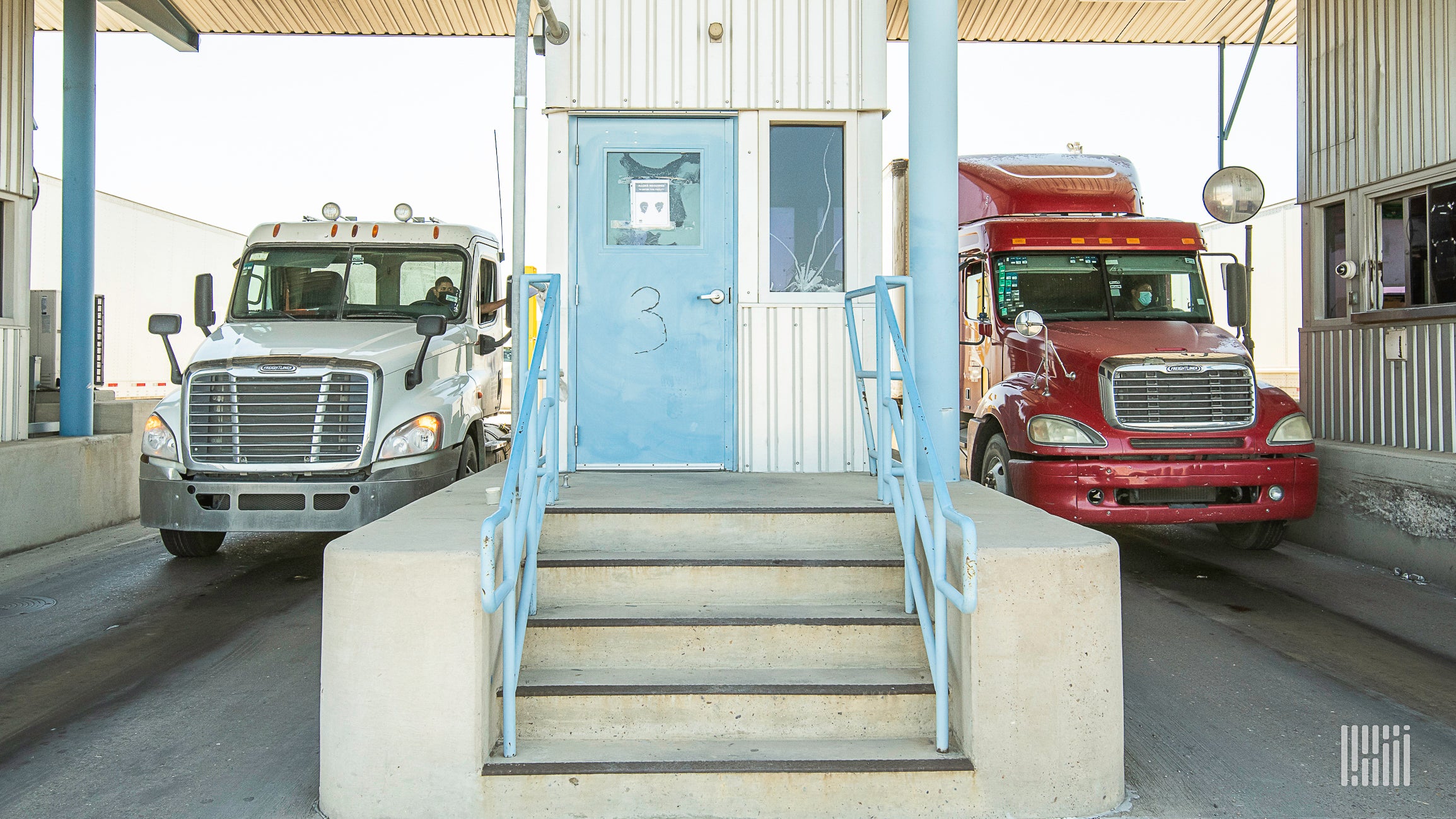
The proposed rule could have particular implications for cross-border trucking, according to FreightWaves. DOT said the proposal addresses enforcement involving drivers operating between Mexico and the U.S., including circumstances under which drivers who fail an English-language evaluation must be placed out of service before traveling beyond the commercial border zone.
Land Line reported that drivers operating outside the U.S.-Mexico border zone who fail to satisfy federal English-language requirements would be placed out of service. Drivers operating exclusively within the border zone, however, would not be placed out of service unless inspectors have evidence that they have operated or intend to operate beyond the zone.
| Scenario | Out-of-service requirement |
|---|---|
| Operating outside the U.S.-Mexico border zone | Placed out of service if failing ELP requirements |
| Operating exclusively within the border zone | Not placed out of service unless inspectors have evidence of operation or intent to operate beyond the zone |
The proposal does not specify how long an ELP-related out-of-service order would remain in effect, FreightWaves reported. The distinction is significant because Mexico-based carriers and drivers are permitted to conduct certain cross-border operations within designated commercial zones along the southern border.
Industry support
The Houston-based Professional Trucking Association Group (PTAG) said Sunday that it supports standardized English-language proficiency requirements, according to FreightWaves. In a Facebook post, PTAG wrote:
Standardizing English-language proficiency for Class A CDL holders is a fundamental safety requirement, not an unnecessary barrier.
PTAG said drivers need sufficient English skills to read road signs and traffic alerts and communicate with police, inspectors and emergency responders. Permanent proficiency standards would promote "consistent operational safety, accountability, and fairness across the entire national supply chain," according to FreightWaves.
What shippers and operators should do
The rule potentially affects thousands of drivers and cross-border freight operations, FreightWaves reported. Shippers and logistics providers that rely on cross-border trucking between the U.S. and Mexico should verify that drivers operating beyond the commercial border zone meet ELP requirements, and should monitor the public comment period for additional detail on the duration of out-of-service orders.
Watch list
- The FMCSA notice of proposed rulemaking is open for public comment; a final rule has not yet been issued.
- The proposal does not specify how long an ELP-related out-of-service order would remain in effect — a detail that may be clarified in the final rule.
- FreightWaves' upcoming industry events include the Brokerage Compliance Symposium (covering fraud exposure, carrier liability, FMCSA rules, cargo theft, and insurance gaps), the F3 Awards Dinner (honoring FreightTech100 companies and revealing FreightTech 25 and Shipper of Choice winners), and the F3: Future of Freight Festival in Chattanooga with keynotes, technology demos, and networking.
Sources: