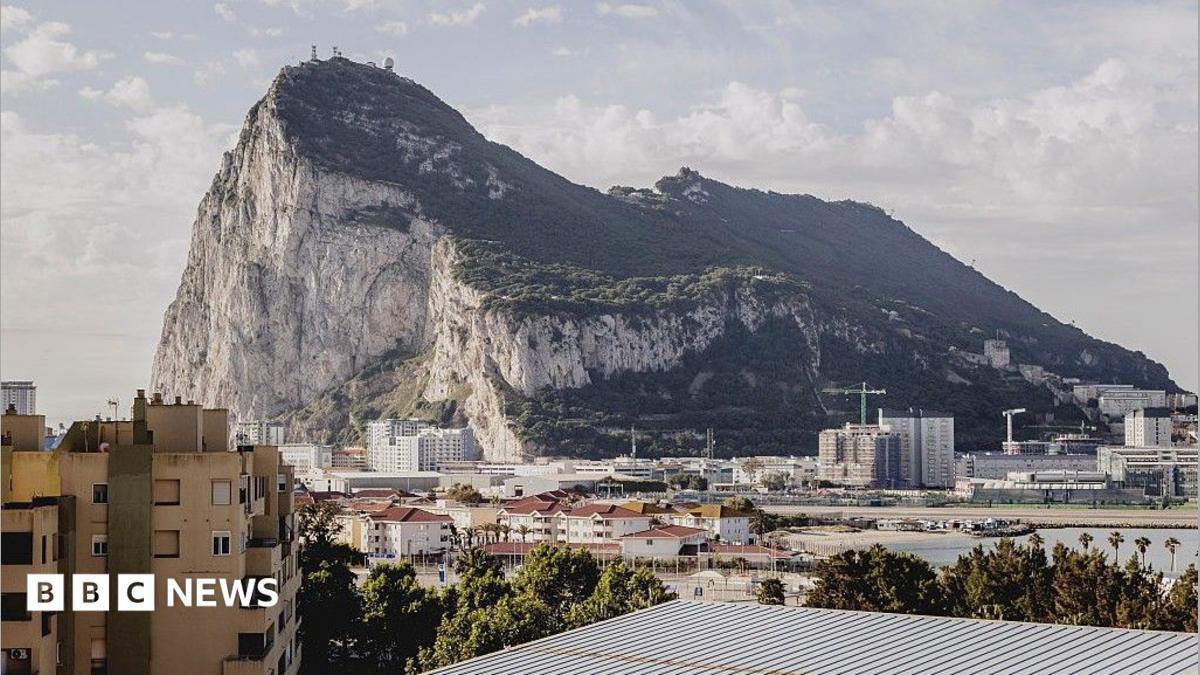
The removal of border controls between Gibraltar and Spain on 15 July 2026 will eliminate daily queues of 15,000 workers and is expected to significantly boost trade flows in shipping, online gaming, and financial services by aligning Gibraltar with the EU customs union and Schengen area.
Decades of Border Friction End
This development follows years of negotiation after Brexit, as Gibraltar—a British Overseas Territory of around 40,000 inhabitants—shared a land border with the EU, posing a unique post-Brexit challenge. The border fence has existed since 1908, and Spain previously imposed a 13-year blockade. According to Guy Hedgecoe of BBC Business, the removal of controls is "part of a carefully negotiated agreement between the European Union and the UK." Juan Franco, mayor of the Spanish border town La Línea de la Concepción, called it "something historic."
"The fact that there is a border between us is ridiculous," said Shilpi Chotrani, a human resources worker at a Gibraltarian shipping and tourism company who commutes daily by bicycle from La Línea.
Economic Disparities and Expected Benefits
Gibraltar has one of the highest per capita incomes in the world, while La Línea is one of the most deprived parts of Spain, with unemployment close to 30%. Franco noted that for an average company in La Línea, a third of its income comes from clients in Gibraltar. The removal is expected to facilitate the flow of people and goods, possibly redressing the imbalance.
| Metric | Gibraltar | La Línea de la Concepción |
|---|---|---|
| Per capita income | One of highest globally | Deprived area |
| Unemployment | Not stated | ~30% |
| Daily cross-border workers | ~15,000 (from Spain) | - |
Trade Lanes and Sectors Affected
The border removal directly impacts the land border between Gibraltar and Spain at La Línea, a key chokepoint for the 15,000 Spaniards who work in Gibraltar daily. The agreement aligns Gibraltar with the EU customs union and the Schengen free travel zone, simplifying customs clearance for freight. Key sectors identified include shipping, online gaming, and financial services, all of which rely on frictionless cross-border movement.
Implications for Shippers and Operators
Freight forwarders and logistics operators using the Gibraltar–Spain corridor can expect reduced waiting times at the border, particularly during rush hours. The elimination of customs checks will streamline supply chains for goods moving between Gibraltar and the EU. For companies in La Línea, increased economic activity may boost demand for logistics services. Shilpi Chotrani expressed support, saying, "This should have been done a long time ago."
Watch List
- 15 July 2026: Scheduled implementation of border removal. Monitor for any delays or operational issues.
- Customs alignment: Full integration with EU customs union and Schengen may require adjustments for traders.
- Economic ripple effects: Potential increase in cross-border investment and freight volumes, especially in shipping and logistics.
Sources: