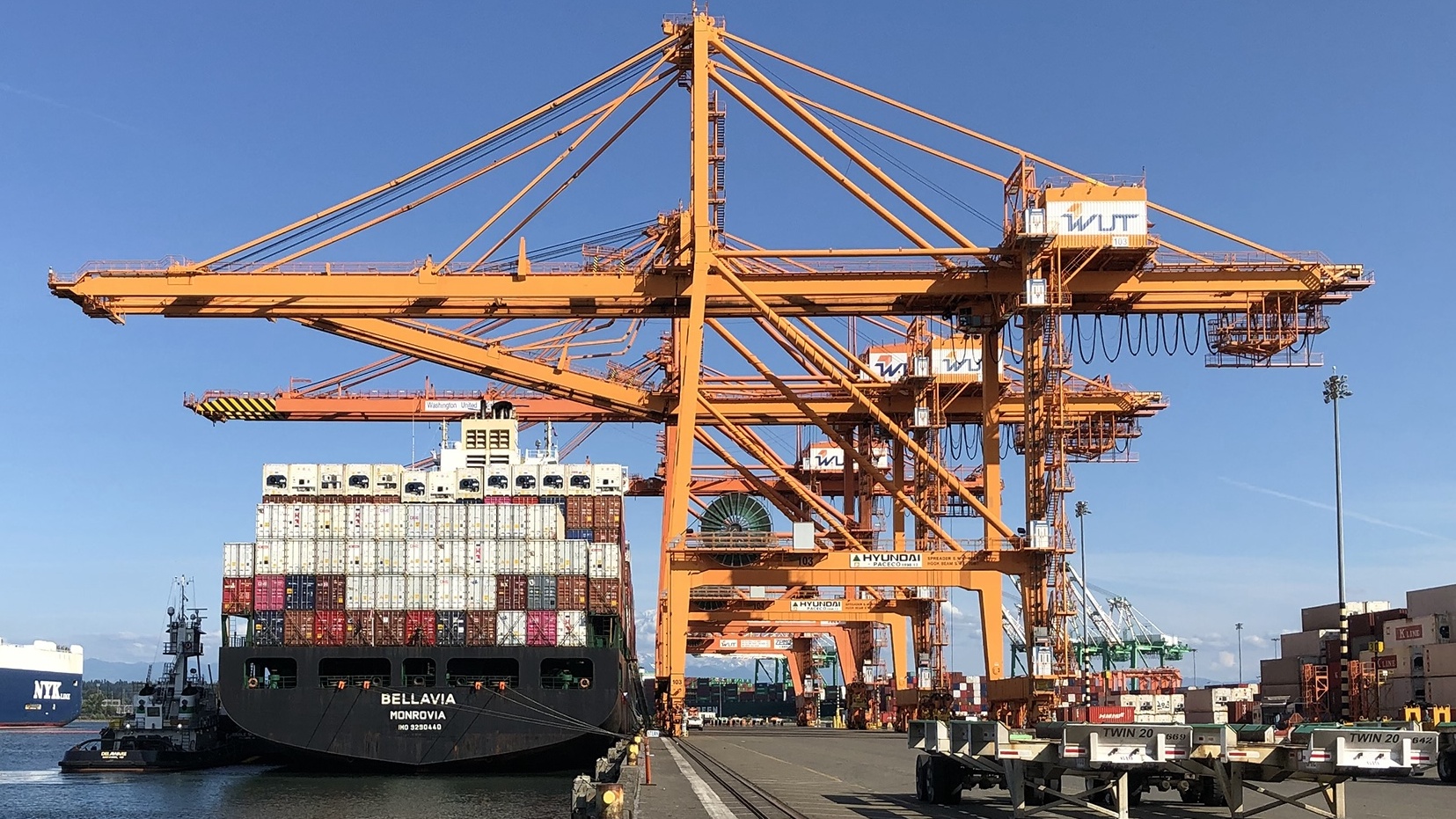
Hapag-Lloyd is deepening its control over key European and North African gateway terminals, with its terminal arm Hanseatic Global Terminals (HGT) agreeing to acquire a 20% stake in Eurogate Container Terminal Hamburg (CTH) and doubling its holding in Morocco's TC3 terminal at Tangier Med from 10% to 20%.
Strategic rationale: carriers locking in terminal capacity
The deals reflect a broader trend of major liner operators taking direct stakes in the port infrastructure they depend on, according to Splash247. Hapag-Lloyd already owns 25.1% of HHLA's Container Terminal Altenwerder, meaning it will now have interests in two of Hamburg's four main container terminals. The carrier's increased presence in Hamburg and Tangier Med gives it more control over capacity and operations on key east-west trade lanes.
"For Hamburg, the agreement represents another step in the changing ownership landscape among the port’s terminals, with major liner operators increasingly taking direct stakes in the infrastructure they rely upon."
Deal details: Hamburg and Tangier Med
The Hamburg transaction gives HGT a 20% stake in Eurogate Container Terminal Hamburg (CTH), which has an annual handling capacity of approximately 2.5m TEU. The terminal is one of four major container terminals in the port. Already, MSC holds a major shareholding in HHLA, while COSCO owns a 24.99% stake in HHLA Container Terminal Tollerort, illustrating the growing carrier ownership in Hamburg.
At Tangier Med, HGT is increasing its stake in the TC3 terminal from 10% to 20%, reinforcing its position at one of the Mediterranean's most important transhipment hubs and a key node in east-west container trades, Splash247 reported. Tangier Med serves as a critical gateway for cargo moving between Asia, Europe, and Africa.
| Terminal | Location | Stake Acquired | Previous Stake | Annual Capacity (TEU) |
|---|---|---|---|---|
| Eurogate Container Terminal Hamburg (CTH) | Hamburg, Germany | 20% | 0% | ~2.5m |
| TC3 Terminal | Tangier Med, Morocco | 20% | 10% | Not disclosed |
Implications for shippers and operators
For freight forwarders and logistics managers, these investments suggest that Hapag-Lloyd is positioning itself to offer more reliable and integrated services on the Transatlantic, Europe-Mediterranean, and Asia-Europe lanes. Carrier ownership of terminal capacity can lead to improved berth priority and reduced dwell times for the line's own customers. However, it also raises concerns about terminal access for non-carrier-affiliated shippers, as lines may prioritise their own cargo. The Port of Hamburg is already seeing a concentration of liner-owned terminals, which could reshape competitive dynamics.
The increased stake in Tangier Med strengthens Hapag-Lloyd's position at a hub that is a crucial relay point for cargo between the Suez Canal/Asia and Europe/West Africa, potentially offering faster transhipment connections and better schedule reliability.
Watch list
- Regulatory approvals: Both transactions are subject to clearance from competition authorities. Any delays or conditions could alter the timeline or scope of the deals.
- Hamburg terminal consolidation: With MSC, COSCO, and now Hapag-Lloyd holding stakes in different terminals, further ownership changes among the port's four major terminals are possible.
- Tangier Med expansion: The doubling of Hapag-Lloyd's stake may signal confidence in future traffic growth at the transhipment hub, which competes with other Mediterranean ports like Algeciras and Port Said.
- Carrier-terminal integration: Watch whether other lines such as MAERSK (via APM Terminals) or CMA CGM respond with similar moves in key gateway ports.
Sources: