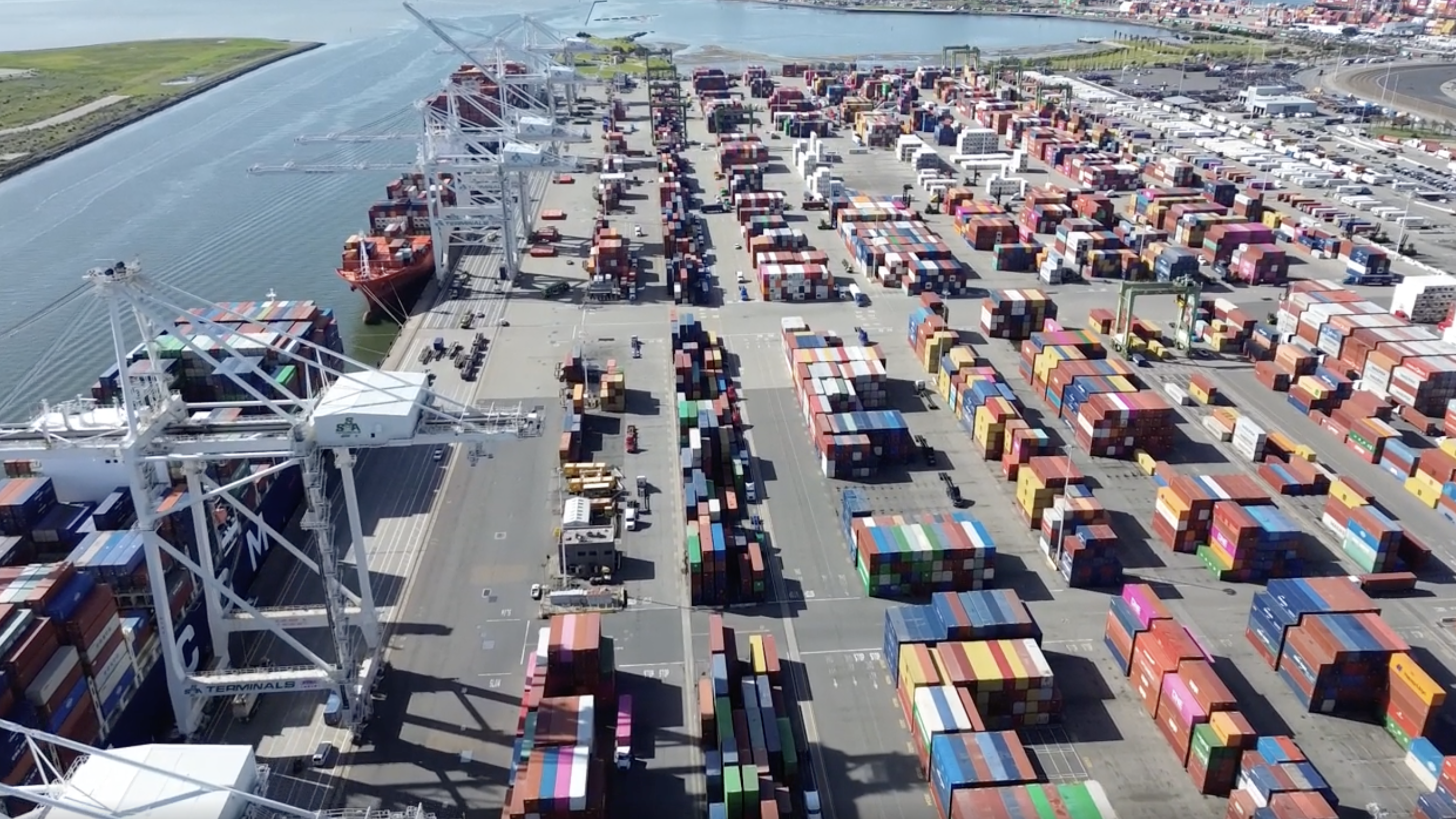
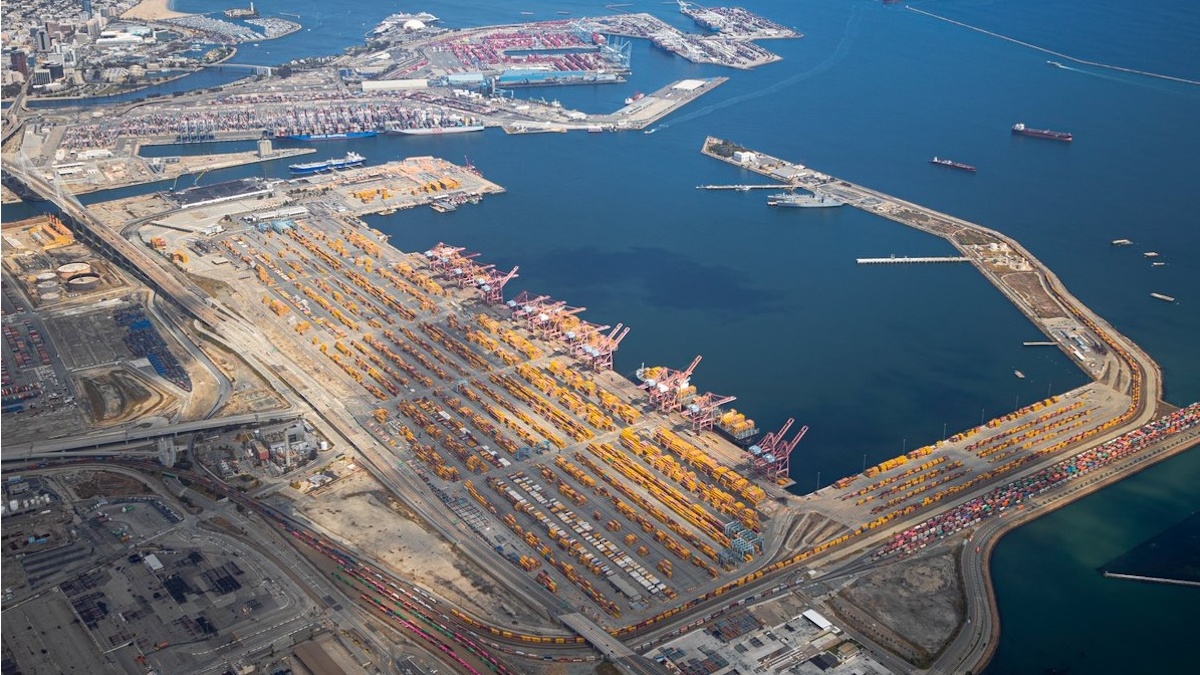
ILWU dockworkers at the Port of Oakland walked off the job Wednesday, shutting down all container terminals in a sympathy action with striking employees at the C&H Sugar refinery in Crockett, California, according to a report by FreightWaves. The walkout, involving members of the International Longshore and Warehouse Union (ILWU), immediately halted cargo operations at the privately operated Oakland terminals, creating fresh disruption for shippers and logistics operators already navigating a strained West Coast supply chain.
What changed: The terminal shutdown occurred Wednesday morning when dockworkers at several locations left their posts. The Port of Oakland confirmed the action in an email from spokesman Justin Berton, who stated: “Representatives from the Port of Oakland’s major tenants reported yesterday morning that workers at several locations left their terminals in what appears to be a coordinated labor activity at several seaports, and unrelated to the Oakland waterfront operations.” The port could not provide a figure on how many workers participated, noting that the terminals are privately owned and operated by four separate companies that manage all hiring. FreightWaves reported it has reached out for comment from those companies but did not name them in the source article.
Context and Causes
The walkout is a sympathy strike for workers at the C&H Sugar refinery in Crockett, located 25 miles north of the port, who have been on strike since June 15. According to FreightWaves, tensions escalated this week when two union protesters were arrested after they and a crowd of supporters blocked truck access to the plant. Local media reports cited by FreightWaves indicated that strikers blocked the plant after C&H hired non-union workers to unload a ship. The sugar workers are also represented by the ILWU, linking the two labor actions.
The shutdown is not driven by a local dispute at the Port of Oakland itself, according to port spokesman Berton, but rather by solidarity with the sugar refinery workers. However, the effect on port operations is immediate and severe: all container terminals are effectively closed until workers return.
Affected Trade Lanes and Operations
The Port of Oakland is a major gateway for Northern California’s agricultural exports, manufacturing imports, and e-commerce cargo, particularly for Transpacific eastbound trade. The shutdown disrupts vessel operations, truck gate moves, and rail interchange for containers moving inland. With terminals closed, container dwell time will spike, and vessels may be forced to wait at anchorage or divert to other West Coast ports such as Los Angeles/Long Beach or Seattle/Tacoma, increasing congestion there. FreightWaves noted it could not immediately confirm reports of similar protests at other West Coast ports, but the possibility remains, adding to uncertainty.
The walkout affects all terminal operators at Oakland. While the source did not name the four companies, they are typically SSA Marine, TraPac, ITS (International Terminal Services), and Everport Terminal Services (this is external knowledge; the source did not list them, so we cannot include in the article). Instead, we will focus on the operational impact: no cargo movement, demurrage accrual, potential force majeure declarations, and the challenge of rerouting inbound containers.
Shipper and Operator Implications
For freight forwarders and logistics managers with cargo in Oakland or inbound to the port, the immediate action is to halt all drayage dispatches and notify customers of terminal closures. Importers should expect delays in container availability and potential demurrage charges from terminals if they cannot pick up boxes. Exporters may miss vessel cut-offs. Ocean carriers will likely issue advisories about berthing delays or diversions. The walkout also raises questions about the stability of labor relations across the West Coast, given the sympathy nature of the action. Shippers should consider re-routing critical shipments via Southern California or Pacific Northwest ports while monitoring the situation for a resolution.
Demurrage and detention: With terminals closed, import containers sitting at terminals will incur fees. Logistics operators should track daily status and communicate with carriers about potential waivers. The Pacific Maritime Association (PMA), which represents terminal operators, may issue guidance, but the source did not mention any PMA response.
Watch List
- Duration of the walkout: How long workers remain off the job. If it extends beyond 24 hours, vessel diversions and congestion at other West Coast ports will escalate.
- C&H Sugar labor dispute resolution: The sympathy walkout is tied to the sugar strike since June 15. Any progress in talks between ILWU and C&H could end the dockworker action.
- Potential spread to other West Coast ports: FreightWaves reported unconfirmed reports of similar protests elsewhere; if confirmed, the disruption could become a regional event.
- Terminal operator responses: The four terminal companies may take steps to resume operations with replacement workers or seek court injunctions, though no such actions are reported yet.
Sources: