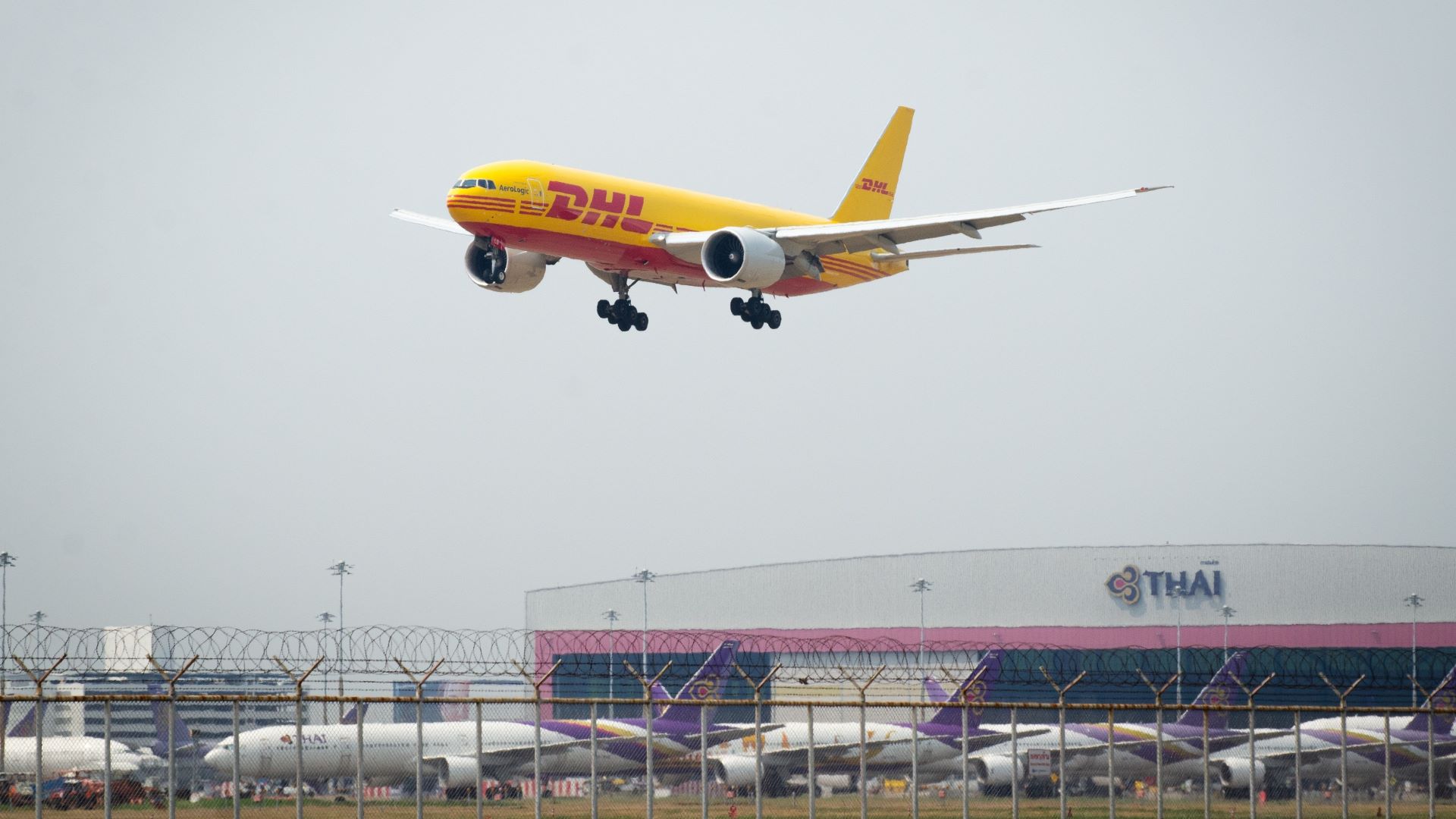
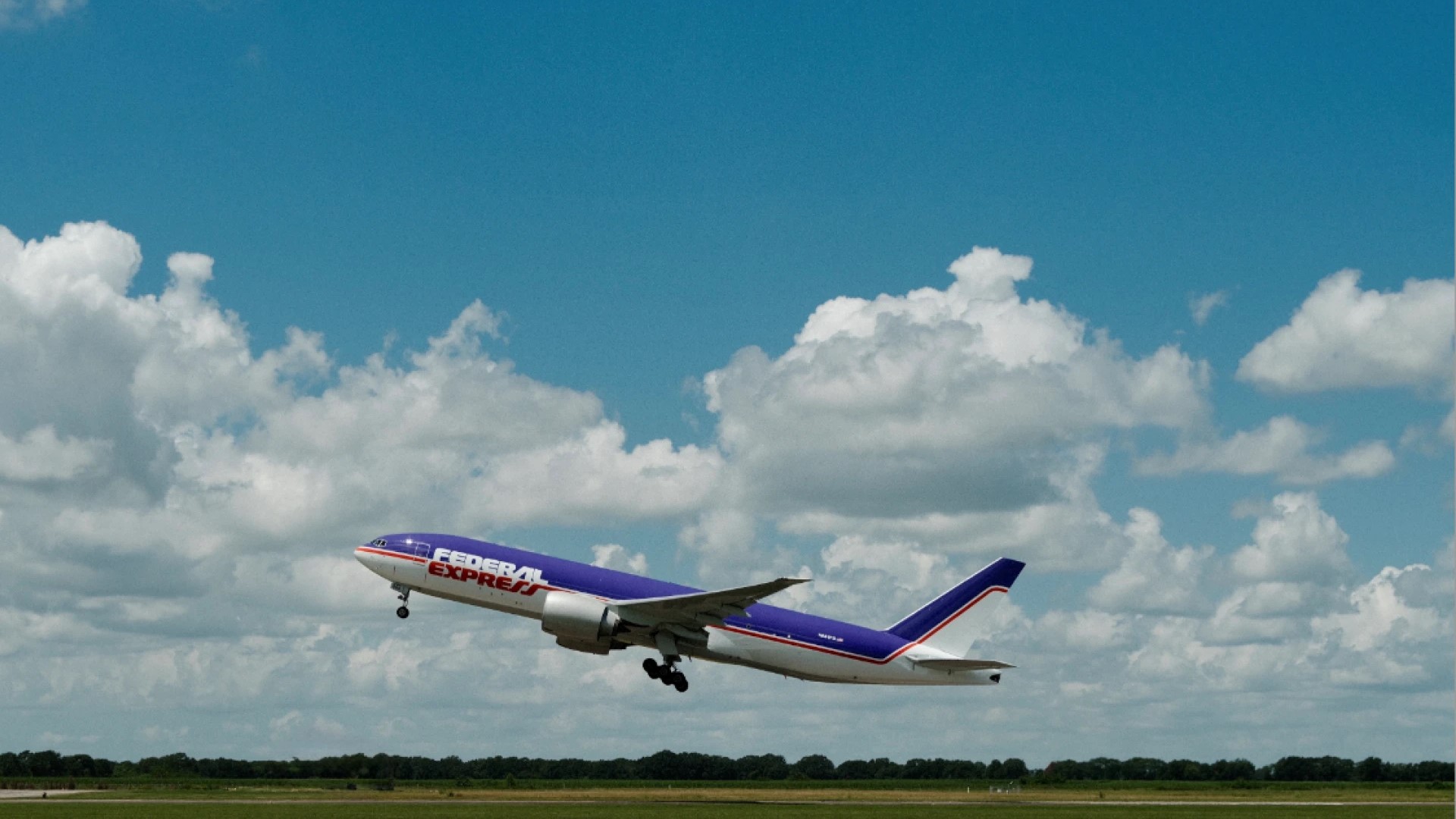
MSC Air Cargo, the airline subsidiary of Mediterranean Shipping Co. — the world's largest ocean container line — on Monday ordered five next-generation 777-8 freighter aircraft from Boeing (NYSE: BA) at the Farnborough International Airshow in England, according to FreightWaves. The order addresses expected future shortages in intercontinental air cargo capacity as older airframes retire and production remains constrained.
MSC Air Cargo’s Growing Fleet
MSC Air Cargo launched operations in 2022 with Atlas Air, which operates four branded Boeing 777-200 freighters on behalf of MSC. The fleet now totals seven 777 aircraft. In 2024, MSC established a subsidiary after acquiring a small cargo airline in Italy, giving it indirect control of three additional aircraft. The new order for five 777-8s will further expand its capacity.
CEO Jannie Davel stated: “With this order, we are investing in the long-term future of MSC Air Cargo and in the customers we serve. The 777-8 Freighter gives us the efficiency, range and capacity to serve our customers reliably for years to come, while advancing our commitment to more sustainable operations. It is the right aircraft for the next stage of our growth.”
Industry Context and Benefits of the 777-8
The 777-8 Freighter is designed to carry nearly as much cargo as a Boeing 747-400, but with 30% improved fuel efficiency, 25% better operating costs per ton, and up to a 60% smaller noise impact area on the ground, according to Boeing. Boeing has booked more than 80 orders for the 777-8 Freighter; MSC Air Cargo is the third Europe-based air cargo operator to order the aircraft. Boeing plans to begin customer deliveries in 2028 after several years of development delays. The news release did not specify MSC’s delivery timeline.
The order follows China Southern Airlines’ late-June order for five 777-8 freighters. Meanwhile, rival Airbus has tallied 103 orders from 14 customers for its next-generation widebody freighter, the A350 Freighter. In spring 2026, Airbus completed manufacturing and installation of the main-deck cargo door on the first test aircraft, targeting first commercial delivery in late 2027.
Embraer’s E190 Freighter Conversion Order
Separately, Brazilian aerospace company Embraer announced an agreement with lessor Azorra for the purchase of 20 E190 converted freighters, with options for an additional 10 aircraft. Azorra, which holds a portfolio of E190s, is essentially ordering production slots to modify the planes with Embraer’s retrofit kit. The E190 is a small narrowbody jet that fills a niche between the standard Boeing 737 converted freighters and large turboprop aircraft. Embraer pitches the aircraft as well-suited for e-commerce transport due to its size, which allows shuttling between hubs and secondary/tertiary markets, and its efficiency. It has a main-deck payload of 23,600 pounds. Embraer claims its E-Jets offer 35% greater volume capacity and three times the range of large turboprop freighters, with up to 30% lower operating costs than older, less efficient aircraft.
Capacity Outlook
According to FreightWaves, the MSC investment will help boost intercontinental air cargo capacity, which is expected to decline in the second half of the decade as older airframes retire while production and conversion shops are constrained by shortages of skilled labor, reliability issues with engine manufacturers, and geopolitical disruptions.
On Sunday, Boeing released its 20-year commercial aircraft outlook, projecting demand for 2,930 factory-built and converted freighters through 2045 to meet growth and replacement needs, with new large widebody freighters representing 23% of the total.
Shipper and Forwarder Implications
For freight forwarders and logistics managers, the MSC order signals a long-term commitment to air cargo capacity from a major ocean carrier, potentially offering more integrated multimodal solutions. The addition of 777-8s will provide greater range and fuel efficiency, which may help stabilize air freight rates on long-haul lanes once deliveries begin. The Embraer E190 conversions will add feeder capacity for e-commerce and regional distribution, likely improving last-mile connectivity. However, until these aircraft enter service — likely in 2028 and beyond — operators should prepare for tightening air cargo capacity as older jets are retired.
Watch List
- Boeing 777-8 certification and delivery schedule — any delays could affect MSC’s capacity expansion plans.
- Airbus A350 Freighter entry into service (target late 2027) and its order book growth.
- Availability of skilled labor and engine reliability — constraints may further slow production and conversions.
- Geopolitical disruptions affecting global air cargo demand and routing.
- MSC Air Cargo’s network expansion as new aircraft join the fleet.
Sources: