European shipowners and airlines have jointly urged Brussels to channel emissions trading revenues back into the sectors that generate them, arguing that the current system risks undermining efforts to decarbonise transport.
Joint Industry Appeal
In a joint statement released this week, European Shipowners (ECSA) and Airlines for Europe (A4E) said shipping and aviation already contribute more than €11bn annually to the EU Emissions Trading System (ETS), but much of that money is not being reinvested into the sustainable fuels and technologies needed to cut emissions. The industry groups called on the European Commission and member states to earmark at least part of ETS revenues to support the production and uptake of low-carbon fuels, which remain significantly more expensive than conventional alternatives.
“Shipping contributes around €9bn to the EU ETS. This money should be used at EU and national level to bridge the price gap and support sustainable fuel availability and clean tech projects,” said ECSA secretary-general Sotiris Raptis.
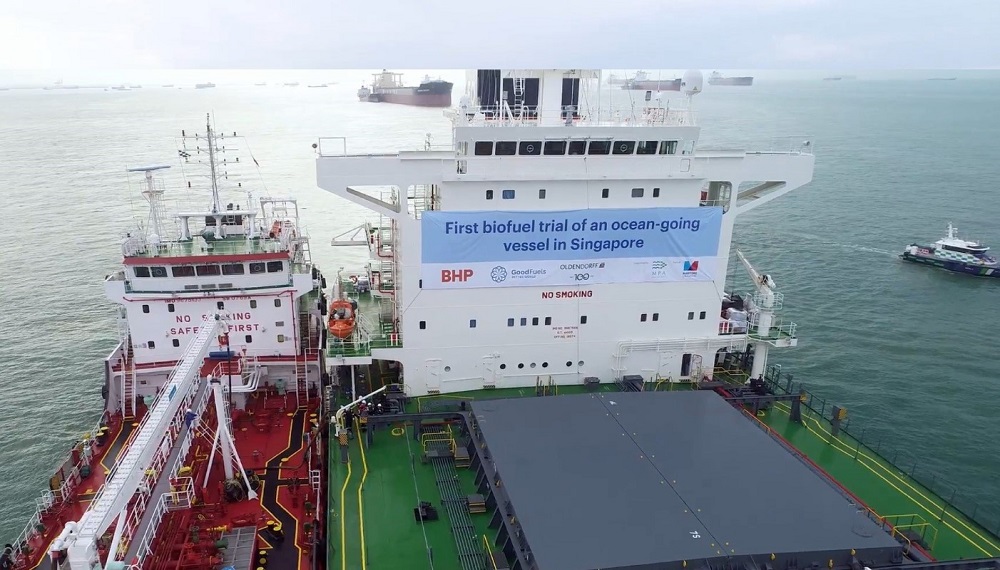
According to ECSA, European shipowners currently account for 44% of the global orderbook for vessels capable of operating on alternative fuels. However, Europe is lagging behind Asia in fuel production projects, with the region accounting for just 10% of planned capacity compared with 74% in Asia.
Airlines’ Contribution and Warning
Airlines for Europe managing director Ourania Georgoutsakou said airlines contributed €2.3bn to the ETS in 2024 and warned the figure could exceed €5bn annually by 2030. “Airlines – and ultimately passengers – are paying into a system that is not working for them – or for the climate,” she said.
Commissioner’s Support
The call comes just weeks after European commissioner for sustainable transport and tourism Apostolos Tzitzikostas told delegates at Posidonia that shipping ETS revenues should be recycled into clean fuels, propulsion systems, and other decarbonisation technologies rather than becoming a general source of government income – a position widely welcomed by shipowners.
Implications for Logistics Operators
For freight forwarders and logistics managers, the outcome of this policy debate could directly affect costs and fuel availability. If ETS revenues are redirected to subsidise low-carbon fuels, the price gap for sustainable alternatives may narrow, potentially reducing future compliance costs for carriers. Conversely, continued diversion of ETS funds to general budgets could keep green fuel prices high, accelerating cost pass-through to shippers via surcharges. The geographic imbalance in fuel production – with Asia dominant – also highlights supply chain vulnerabilities for European operators relying on imports of sustainable fuels or vessels built with alternative-fuel capabilities.
Watch List
- European Commission response to the joint statement
- EU member state budget decisions on ETS revenue allocation
- Progress of low-carbon fuel production projects in Asia vs. Europe
- Orderbook trends for alternative-fuel vessels among European shipowners
Sources: