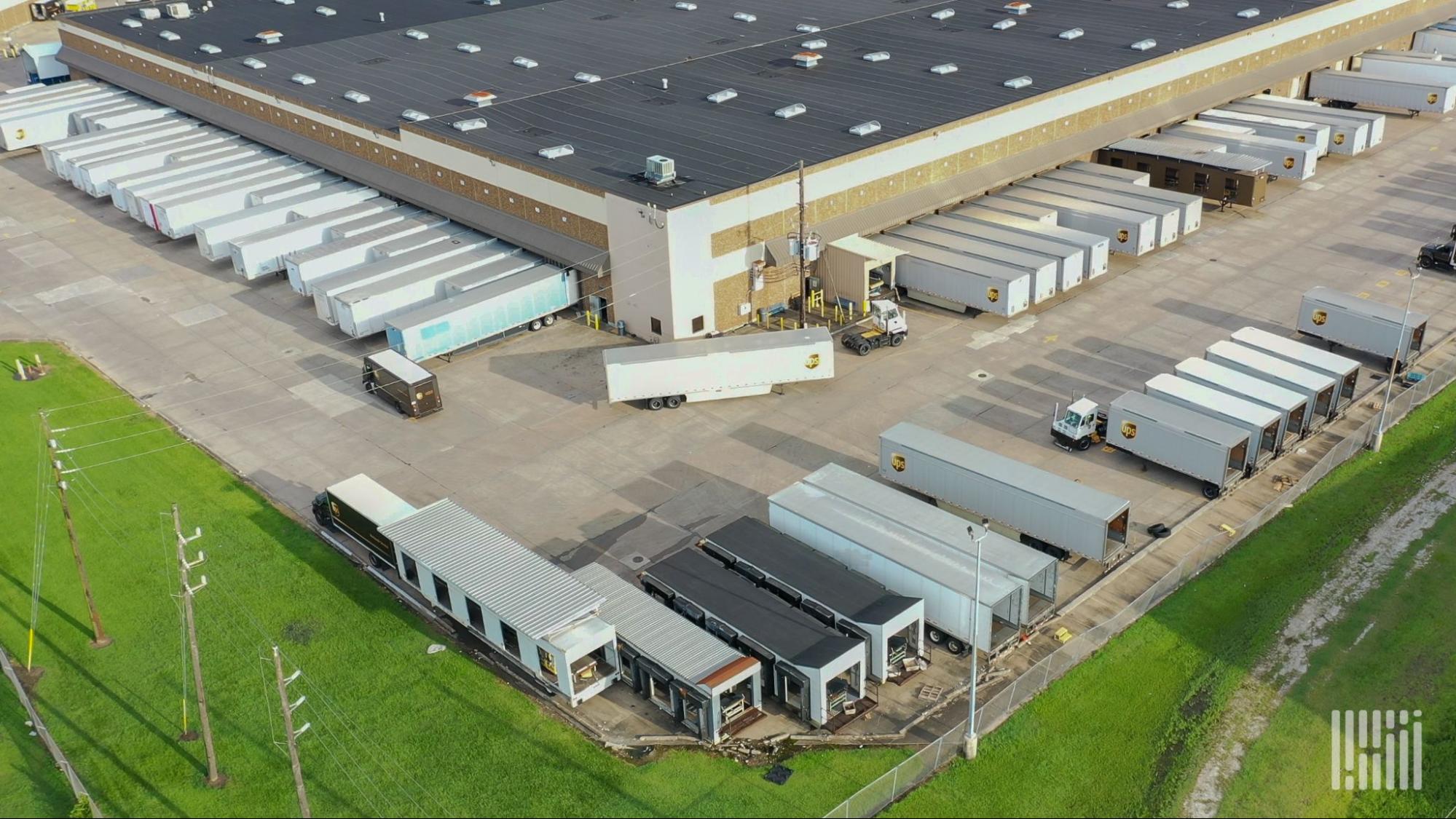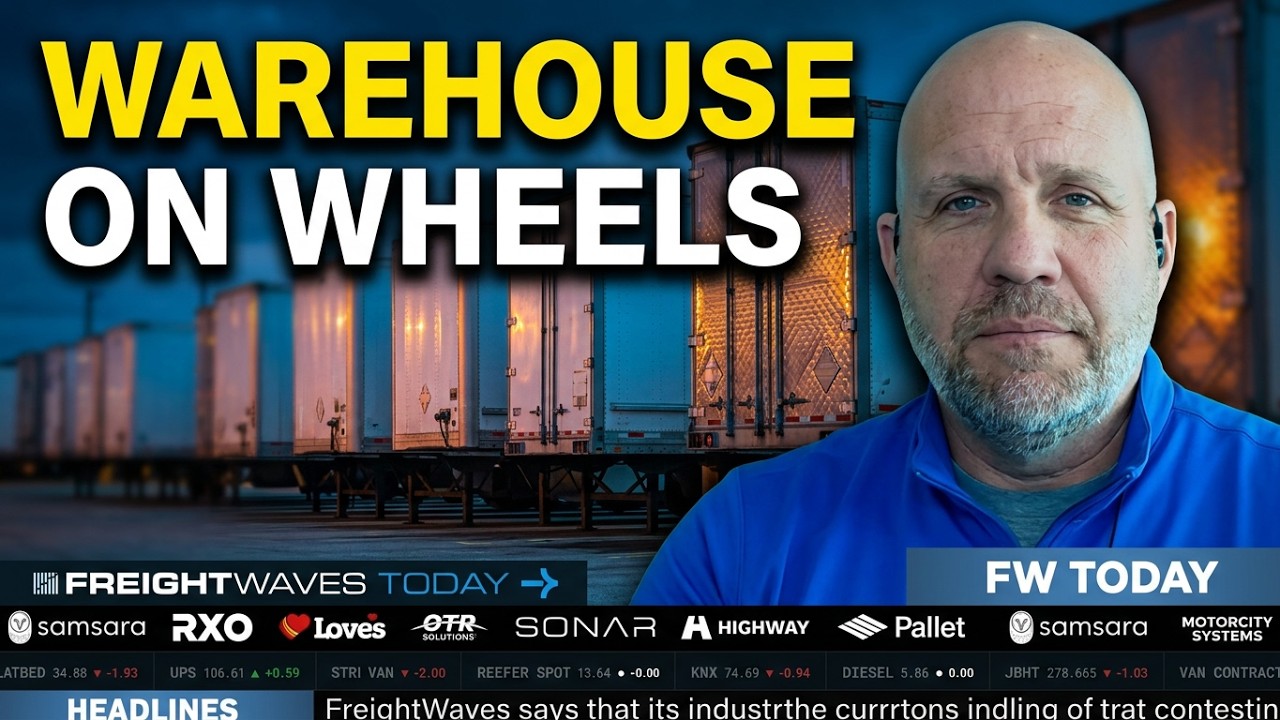
Warehouse on Wheels is scaling a low-cost, flexible alternative to traditional warehousing as supply chain operators hold back on inventory bets. The Houston-area firm plans to double its footprint to 100 locations and 100,000 trailers, CEO John Brooks told FreightWaves, building on growth from 2 locations and roughly 4,000 trailers at its November 2017 launch to 37 locations and 35,000 trailers today, serving 6,000 customers across a network stretching from Montreal to Monterrey, Mexico.
The model: certified used trailers as storage
Brooks said the company acquires end-of-life over-the-road trailers, repaints them, certifies them federally, and rents them to manufacturers, retailers, and distributors. According to FreightWaves, rates run 2 to 4 times cheaper per square foot than traditional warehouse space, and contracts are 30-day evergreen agreements — not the five-, seven-, or ten-year leases typical of industrial real estate. The company targets an 8x return on invested capital over the life of each trailer, Brooks said.
| Metric | 2017 launch | Today | Target |
|---|---|---|---|
| Locations | 2 | 37 | 100 |
| Trailers | 4,000 | 35,000 | 100,000 |
| Customers | — | 6,000 | — |
'When we win a heart and mind, we rarely lose it. And so a customer may have 50 trailers, they may size down to 25 or up to 100, but they never really give up that solution once they've had a chance to experience what we offer,' Brooks said.
Network expansion along U.S. corridors
Warehouse on Wheels is preparing to open a Chicago location within two weeks, a market Brooks described as central to the strategy of positioning assets along the eight major U.S. transportation corridors and in smaller towns adjacent to those routes. The company is backed by private equity sponsor Windpoint Partners, which came on board in 2021 after an initial partnership with Milton Street Capital.
Supply Chain Activity Index: 42.2 in June
Alongside the expansion, the company released a Supply Chain Activity Index designed to measure the flow of goods through the supply chain rather than serve as another pricing benchmark. The index draws on a basket of widely tracked indicators combined with on- and off-ramp activity across Warehouse on Wheels' own trailer fleet. Scored on a 0-to-100 scale with 50 as neutral, the index registered 42.2 in June, indicating contraction.
| Index detail | Reading |
|---|---|
| Scale | 0–100, 50 neutral |
| June result | 42.2 (contraction) |
| July outlook | Expected improvement, per Brooks |
Brooks said he expects the July reading to improve but cautioned that conditions outside AI-related infrastructure spending remain subdued. 'There is still a general malaise, in our opinion,' he said, describing a 'wait-but-still-move mindset' among supply chain operators who need to show quarterly growth to shareholders but are not making large inventory bets. He contrasted the current cycle with 2018, when the first round of tariffs triggered a significant build-ahead in inventories; this time, he said, purchasing decisions are smaller and more cautious.
What it means for shippers and operators
Operationally, Brooks said neither land nor used trailers represent a significant constraint on growth. The company typically needs only 3 to 5 acres of gravel per location, he said, adding that the post-COVID used trailer market has produced ample supply from private carriers deflating and modernizing their fleets. Average rental periods currently run around 20 to 24 months, according to FreightWaves. The company's '55 and 55' standard — trailers must look presentable from 55 feet away at 55 miles per hour — governs how each acquired unit is refurbished before going to work for a customer, FreightWaves reported.
Watch list
- Chicago opening in two weeks: a test of expansion into a major Midwest market.
- July Supply Chain Activity Index: expected to improve; watch whether it crosses the neutral 50 line.
- AI infrastructure spending: the only active area Brooks cited; a broadening of demand could lift storage needs.
- Used trailer supply: continued fleet modernization keeps the model economic; a slowdown would pressure expansion.
Sources: