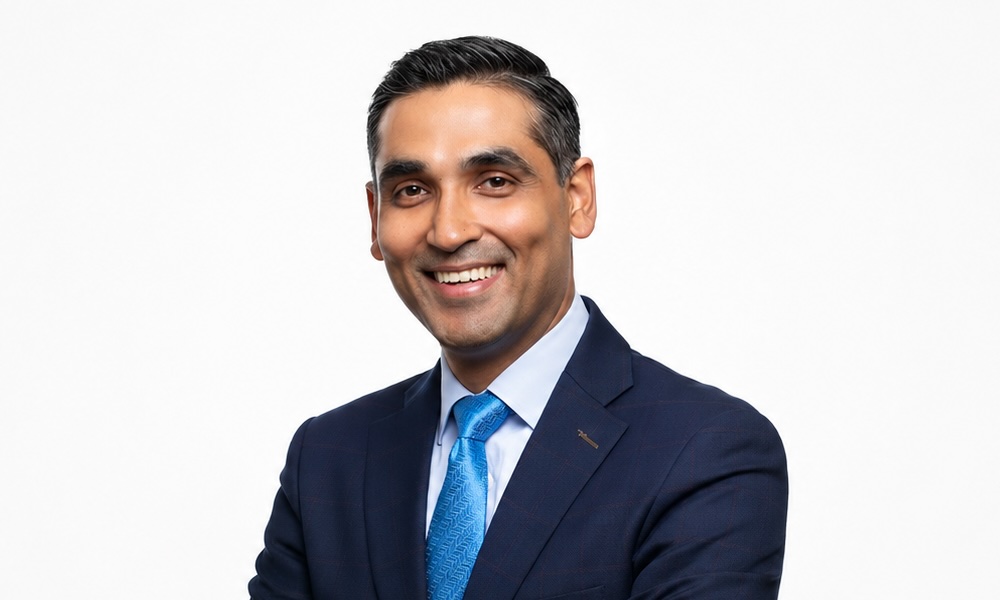
Artificial intelligence in shipping is shifting from hype to operational reality, but owners and crew face the harder work of making it reduce workload rather than add screens and manual data entry, according to Splash247’s interview with Tabitha Logan of Hong Kong dry bulk owner Cetus Maritime ahead of Splash Singapore.
Splash247 reported that Logan, who is also co-founder of The Captain’s Table, a Hong Kong-based maritime pitch competition, will carry that message into the AI, Digitalisation, And The Maritime Workforce session at Splash Singapore in September. “We’re getting over the initial hype phase and endless use of buzzwords,” Logan tells Splash. “As more use cases emerge, I hope the focus will shift to practical execution and human trust.”
Crew burden and the next generation
According to Splash247, Logan argues the challenge for owners and managers is not simply adding more technology onboard, but ensuring it reduces rather than increases the burden on crews. “How can we introduce AI on board without burdening our crew with more screens and manual data entry?” she asks. At the same time, an increasingly digital-native generation of seafarers is arriving with very different expectations of the tools available to them, Splash247 reported. Logan says a recent cadet workshop in Hong Kong demonstrated just how keen younger deck and engine officers are to understand the digitalisation projects shipowners and managers are implementing. She is particularly interested in how this generation will use technologies such as digital twins, and whether existing regulations risk holding them back.
Talent, data standards and workflow automation
The issue feeds directly into shipping’s wider battle for talent. “Ultimately, it all ties into the talent pipeline, how our industry can position itself against tech and finance to attract sharp digital minds,” Logan says. Her experience watching maritime technology businesses develop has also made her sceptical of closed systems and technology that cannot demonstrate a commercial return, Splash247 reported. Over the coming 12 months, Logan hopes the industry finally makes meaningful progress towards universal data standards. Shipowners are pushing for greater interoperability and a move away from locked data ecosystems, but without standardised datasets, systems still struggle to communicate seamlessly, leaving companies paying for and maintaining complicated middleware, according to Splash247. “Real progress will require us to have unified data standards and watertight cyber security as these connected networks expand and share data,” she says.
More immediately, Logan expects workflow automation to make significant inroads into commercial shipping. AI tools capable of parsing fixture notes, charterparties and market feeds in seconds could remove large amounts of manual administration and allow commercial teams to concentrate on higher-value work, according to Splash247.
Singapore as testbed and the Splash Singapore line-up
Logan describes Singapore as maritime technology’s leading “sandbox and VC testbed”, where startups, investors and shipowners increasingly sit around the same table. For Splash Singapore, however, she wants the discussion to stay grounded. “A great session skips the high-level fluff,” Logan says. “I hope we can call out tech that fails to deliver ROI and give people honest answers on where shipping is heading.” Ultimately, she argues, “Tools are only as good as the teams using them.”
Splash Singapore takes place at Fairmont Singapore / Raffles City Convention Centre on September 24. Confirmed speakers listed by Splash247 include:
| Speaker | Role | Company |
|---|---|---|
| Andreas Michalopoulos | CEO | Performance Shipping |
| Arthur English | CEO | G2 Ocean |
| Christoph Toepfer | CEO, Borealis Maritime; Founder, Borealis Tankers | Borealis Maritime / Borealis Tankers |
| Ingrid Kylstad | Managing Director | Klavenes |
Watch list
- Splash Singapore at the Fairmont Singapore / Raffles City Convention Centre on September 24, where the AI, Digitalisation, And The Maritime Workforce session will test whether the industry can move beyond buzzwords.
- Digital twins and regulation: whether younger seafarers adopt digital twins and whether existing regulations hold them back, per Logan’s comments to Splash247.
- Universal data standards: whether shipowners’ push for interoperability and a move away from locked data ecosystems produces standardised datasets over the next 12 months.
- Workflow automation: whether AI that parses fixture notes, charterparties and market feeds in seconds actually cuts manual administration and frees commercial teams.
Sources: