BW LPG has agreed to sell one of the ships acquired in the $1.05bn takeover of the Avance Gas VLGC fleet, booking a net book gain of approximately $17m less than two years after the transaction, according to Splash247.
Vessel Sale Details
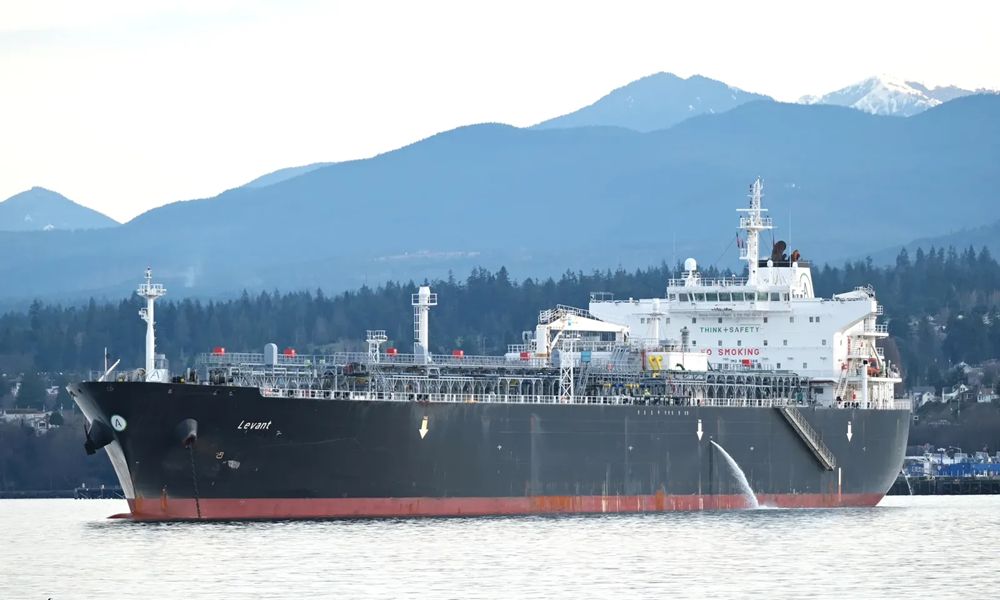
The sale involves the BW Levant, a 2015-built, 83,000 cu m very large gas carrier (VLGC). The disposal is expected to generate net cash proceeds of about $38m. The buyer has not been disclosed. BW LPG took delivery of the vessel in November 2024, when it became the fifth of 12 VLGCs transferred from Avance Gas. As part of the settlement for that ship, BW LPG issued 1.35m shares to Avance Gas.
The BW Levant is scheduled for delivery to the new owner by mid-November. BW LPG will continue trading the vessel until handover, retaining exposure to the firm VLGC freight market.
Fleet Context
The wider acquisition, agreed in August 2024, covered 12 vessels built between 2015 and 2023 in a $1.05bn cash-and-shares transaction. That deal lifted BW LPG’s fleet from 41 to 53 VLGCs at the time. The current sale follows a recent disposal by the 52%-owned BW LPG India: the sale of the 2007-built BW Elm, which is expected to generate a $36m book gain and $64m in net cash proceeds on a 100% basis.
Newbuilding Return
BW LPG has also returned to the newbuilding market with an eight-ship programme covering 90,000 cu m VLGCs at HD Hyundai Heavy Industries.
Implications for LPG Shippers and Operators
| Metric | Value |
|---|---|
| Net book gain from BW Levant sale | $17m |
| Net cash proceeds from BW Levant | $38m |
| Year built of BW Levant | 2015 |
| Capacity of BW Levant | 83,000 cu m |
| Approximate fleet size after Avance Gas acquisition | 53 VLGCs |
| Newbuilding order size | 8 VLGCs |
| Newbuilding capacity | 90,000 cu m each |
For freight forwarders and logistics managers involved in LPG shipping, the sale reduces available capacity on the water by one VLGC, though BW LPG retains charter-like exposure until November. The newbuilding order signals that BW LPG is investing in larger, newer tonnage, which could improve efficiency and reliability for shippers in the long term. The near-term impact is limited, but the shift in fleet composition may affect spot charter rates and contract availability for certain sizes. The undisclosed buyer could be a competitor or new entrant, potentially altering supply dynamics on key trade lanes such as the US Gulf–Asia or Middle East–Asia LPG routes.
Sources: