
iGEN
Visit IGEN World Explore IGEN Expo
EXPLORE UPGRADE PLANS
BREAKING
Home ›› Logistics ›› Shipping Freight ›› Tankers Lng ›› Eastern Pacific exits chemical tanker sector as fleet shifts to Ace and Womar

Eastern Pacific exits chemical tanker sector as fleet shifts to Ace and Womar

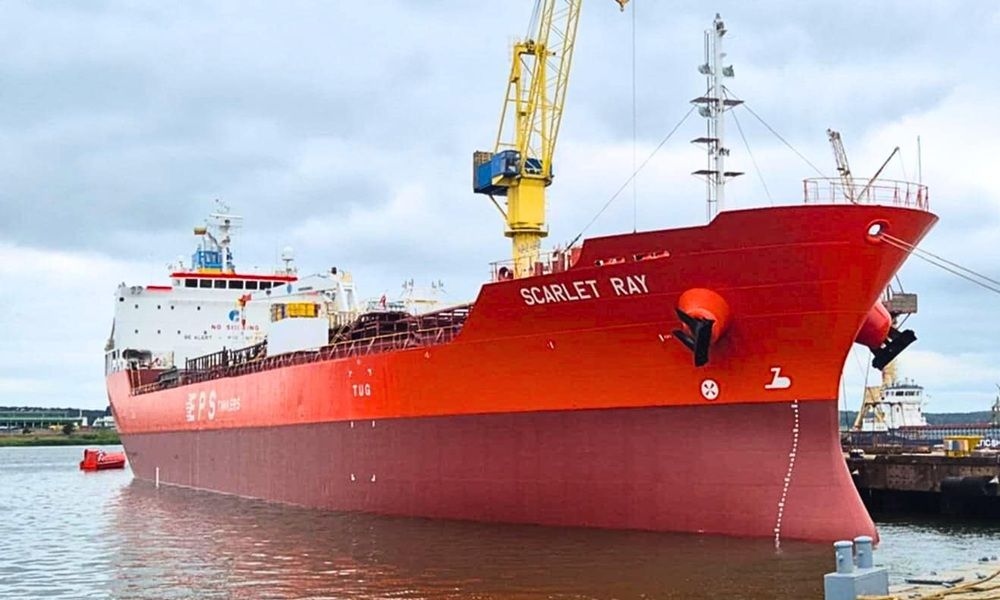
Singapore-based Eastern Pacific Shipping (EPS) is exiting the chemical tanker business through an en bloc transaction involving Ace Tankers and Womar Tankers. The deal, expected to close this week, will transfer EPS's 14-vessel chemical tanker fleet between the two operators. Seven vessels will remain under Ace Quantum Chemical Tanker management, while seven (including three newbuildings) move to Womar Tankers.

iG
iGEN Editorial
June 17, 2026
Eastern Pacific exits chemical tanker sector as fleet shifts to Ace and Womar

Singapore-based Eastern Pacific Shipping (EPS) is exiting the chemical tanker business through an en bloc transaction involving Ace Tankers and Womar Tankers, according to Splash247. The deal, expected to close this week subject to customary conditions, will see ownership of EPS’s 14-vessel chemical tanker fleet transferred between the two operators.

Deal Structure

The fleet comprises vessels ranging from 19,000 dwt to 26,000 dwt, including three newbuildings. All ships have been commercially managed through the Ace Quantum Chemical Tanker (AQCT) pool. Following completion of the transaction, seven vessels will remain under the commercial management of AQCT, while the remaining seven ships, including the three newbuildings, will move under Womar Tankers’ management. The vessels will also be renamed under their new ownership, according to Splash247.

Fleet Distribution

The following table summarizes the post-deal allocation of the 14 vessels:

Operator Vessels Retained/Transferred Details
Ace Quantum Chemical Tanker (AQCT) 7 Existing vessels (19,000–26,000 dwt)
Womar Tankers 7 Includes three newbuildings (19,000–26,000 dwt)

All 14 vessels were previously commercially managed through the AQCT pool. The three newbuildings are understood to be among the ships moving to Womar Tankers.

Strategic Rationale

EPS said the disposal is part of a broader portfolio strategy aimed at concentrating resources and capital on its core business areas and future growth opportunities, reported Splash247. The group has been steadily reshaping its fleet in recent years, with a growing focus on segments such as containerships, gas carriers, car carriers and tankers, while also building one of the industry’s largest alternative-fuel newbuilding programmes. EPS currently has an orderbook of more than 150 vessels across multiple shipping sectors.

Implications for Chemical Tanker Capacity

While the transaction does not change the total number of vessels in commercial operation, the shift in management from EPS to Ace and Womar could alter chartering dynamics in the chemical tanker segment. For freight forwarders and logistics managers, this consolidation may affect availability on key routes served by these 19,000–26,000 dwt ships, particularly in the chemical and parcel tanker trade. The transfer also underscores EPS’s pivot toward larger vessel classes and alternative-fuel newbuildings, potentially reducing chemical tanker capacity under the EPS brand but maintaining it under Ace and Womar. Stakeholders in the tanker sector should monitor any changes in commercial management that could influence spot rates or contract terms on chemical lanes.

Watch List

  • Completion of the deal and any subsequent renaming of vessels.
  • Further moves by EPS to divest non-core assets as part of its portfolio strategy.
  • Impact on the Ace Quantum Chemical Tanker pool's size and market influence.
  • Newbuilding delivery schedules for the three vessels moving to Womar Tankers.

Sources: Splash247 Maritime

Keep Reading

Recommended Stories

GTT Projects 550 New LNG Carriers Needed by 2035, Signaling Fleet Expansion Logistics

GTT Projects 550 New LNG Carriers Needed by 2035, Signaling Fleet Expansion

GTT expects around 550 LNG carriers to be ordered between 2026 and 2035, adding to the current record orderbook of 338 ships. The forecast is driven by 37m tonnes per annum of new liquefaction capacity reaching FID this year and a projected 5% annual LNG demand growth, primarily from Asia. Shipyard capacity is expanding to meet demand, with Korean and Chinese yards expected to exceed 100 annual slots by 2028.

July 30, 2026
Shandong Port's Sealand Equipment Group Breaks Into Chemical Tanker Construction with First Order Logistics

Shandong Port's Sealand Equipment Group Breaks Into Chemical Tanker Construction with First Order

Sealand Equipment Group, the shipbuilding arm of Shandong Port, has entered the chemical tanker segment with its first order: a 10,000 dwt vessel capable of carrying IMO II and III cargoes. The contract with an unnamed European customer marks a strategic shift from multipurpose and heavylift tonnage. The newbuilding, built in partnership with Tongling Port and Shipping, features a shaft-generator DC bus with battery storage for flexible power management.

July 28, 2026
DOF revamps offshore fleet with PSV sales and CSV acquisitions from China Logistics

DOF revamps offshore fleet with PSV sales and CSV acquisitions from China

Norwegian offshore vessel owner DOF is reshaping its fleet by selling four platform supply vessels (PSVs) and acquiring two construction support vessels (CSVs) under construction in China. The moves are part of a fleet high-grading programme aimed at lifting earnings capacity while maintaining leverage. Separately, DOF declared a constructive total loss on the Skandi Amazonas after a grounding, triggering a $115m insurance payout.

July 23, 2026
Pelagic Credit Enters Chemical Tanker Market with $24.7M Pre-Delivery Financing for Two Newbuilds Logistics

Pelagic Credit Enters Chemical Tanker Market with $24.7M Pre-Delivery Financing for Two Newbuilds

Pelagic Credit has made its first investment in chemical tankers, committing $24.7m to pre-delivery financing for two 10,000 dwt newbuildings. The vessels have secured long-term time charters with an unnamed energy infrastructure company. The transaction is expected to close this month and represents a diversification of the Oslo-listed company's portfolio beyond multipurpose and offshore support vessels.

July 22, 2026