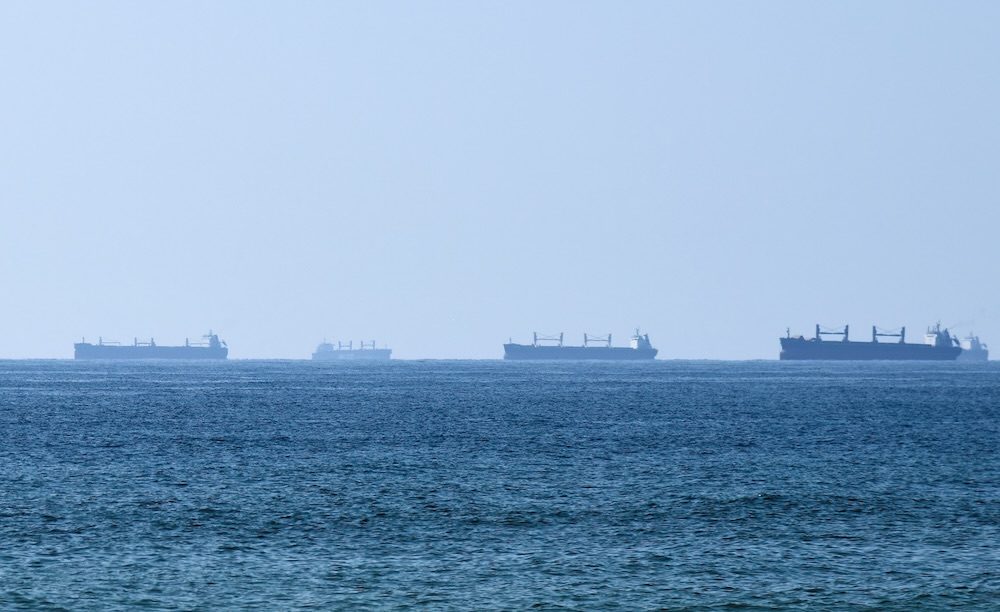
Plans to restart commercial shipping through the Strait of Hormuz have been dealt a serious blow after an Evergreen containership was hit yesterday shortly after completing a transit through the waterway, according to Splash247. The attack prompted the International Maritime Organization (IMO) to pause its evacuation operation for vessels trapped in the Gulf — an operation that had only begun earlier this week.
Operational Context
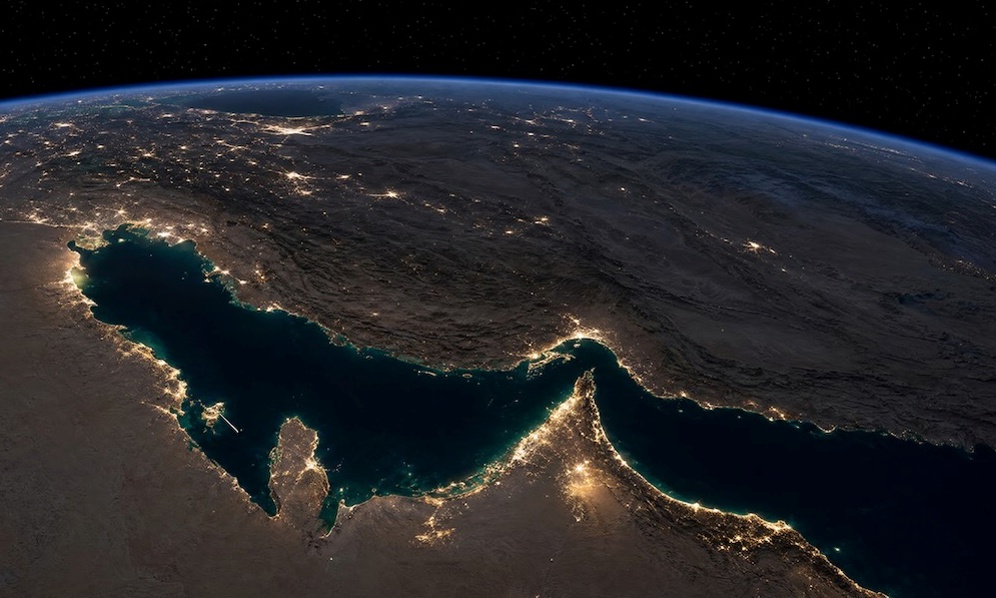
The Strait of Hormuz is a critical chokepoint for global oil and container shipping, connecting the Persian Gulf to the Arabian Sea. The IMO evacuation effort was launched to free commercial ships that had been unable to exit the Gulf due to heightened security threats. Splash247 reported that the vessel hit was an Evergreen containership, and the incident occurred just after it completed a transit, raising questions about the safety of scheduled transits.
Affected Trade Lanes and Operations
While specific trade-lane data is limited in the source, the Strait of Hormuz directly impacts oil tanker movements from key producers like Saudi Arabia, Iran, Iraq, and the UAE, as well as container traffic serving Gulf ports such as Jebel Ali (Dubai), Dammam, and Bandar Abbas. The incident signals that ocean carriers using this route face elevated risk of attack, which could prompt carriers like Evergreen to avoid the waterway or require naval escort — increasing transit times and costs. Port authorities and terminal operators in the Gulf may see reduced inbound hauls and potential dwell time changes as vessels are held outside the strait.
Shipper and Operator Implications
Shippers and freight forwarders routing cargo through the Middle East should prepare for extended lead times and higher freight rates if the situation persists. Insurance premiums for vessels transiting the strait are likely to rise, and some carriers may impose war-risk surcharges. The IMO pause means that vessels still in the Gulf cannot rely on a coordinated evacuation, increasing the risk of crews and cargo being stranded. Logistics managers should evaluate alternate routes, including the longer route around the Cape of Good Hope or via the Suez Canal, though both face their own constraints.
Watch List
- IMO safety announcements: Any resumption of the evacuation or new guidance for commercial transits.
- Carrier network changes: Evergreen and other major lines may announce avoidance of the Strait of Hormuz.
- Insurance market response: War-risk premiums and availability of cover for Gulf calls.
- Geopolitical developments: Regional negotiations or further attacks that could escalate or de-escalate the situation.
Sources: