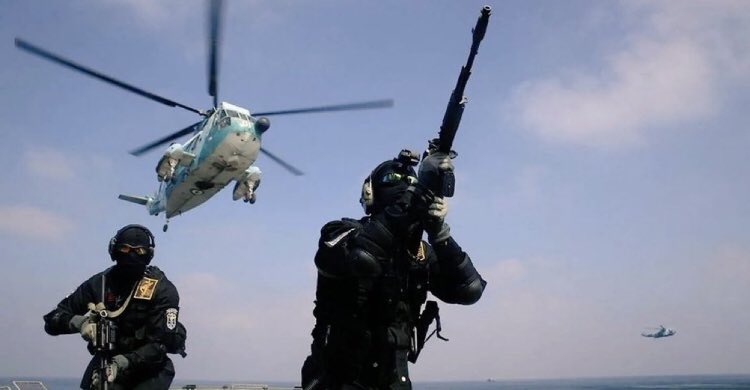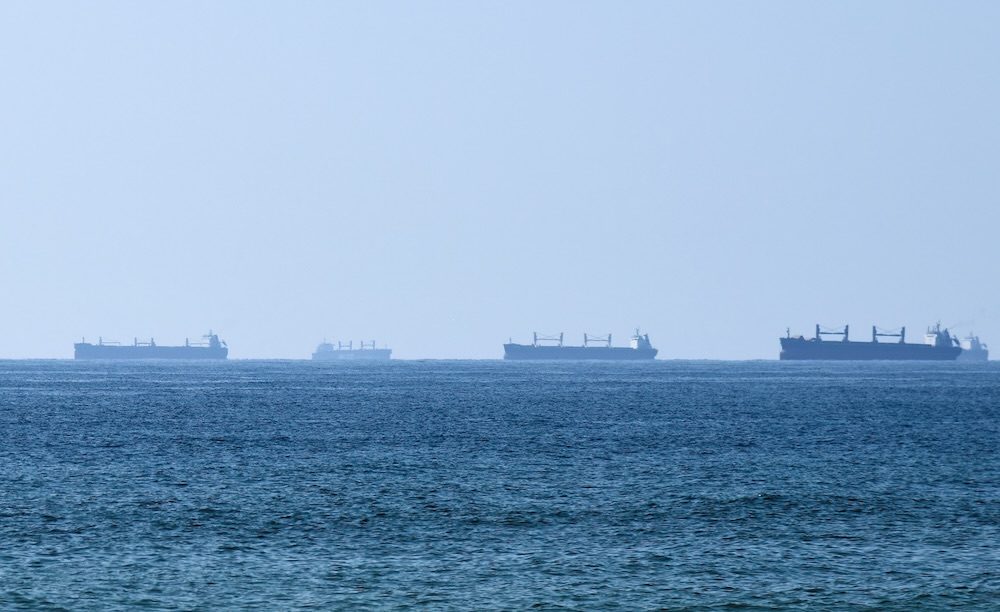
Operations through the Strait of Hormuz have come to a near standstill, threatening global oil and LNG tanker flows, according to Splash247. US strikes on Iran prompted President Donald Trump to declare the ceasefire between the two countries 'over,' and attacks on three commercial vessels transiting the strait on July 6 and 7 have effectively halted traffic.
Strait of Hormuz Disruption
The escalation follows the US strikes and the ceasefire collapse. Splash247 reported that traffic through the strait came to a 'near standstill' after the attacks on the three vessels. For ocean carriers and tanker operators, this means immediate rerouting, higher war risk premiums, and extended transit times around the Arabian Peninsula impacting crude, LNG, and containerised cargo flows to and from the Persian Gulf.
Ukraine Escalates Campaign Against Russian Shipping
Splash247 reported that Ukraine has sharply escalated its campaign against Russian shipping and oil infrastructure over the past week. Ukrainian forces struck dozens of shadow fleet tankers in the Kerch Strait and Sea of Azov, while long-range drones knocked out another major refinery. This is deepening a fuel crisis that now affects 'nearly every Russian region,' according to Splash247. The attacks on shadow fleet vessels increase risk for all shipping in the Black Sea and Azov regions, potentially driving up war risk insurance and reducing the availability of tanker capacity for that area.
Evergreen Marine Raided in Insider Trading Probe
Taiwanese prosecutors raided the premises of Evergreen Marine as part of an insider trading investigation linked to one of the world’s largest container lines, Splash247 reported. The Taipei District Prosecutors Office said investigators searched Evergreen Marine’s offices, the homes of nine suspects, and 10 other locations on Monday. Nine people were summoned for questioning, including a person surnamed Chang, on suspicion of trading shares during a prohibited trading period. This development could affect Evergreen’s operations or share price, with potential implications for alliance relationships and capacity decisions.
ZIM Sale Faces Political Opposition
The proposed sale of ZIM Integrated Shipping Services to Hapag-Lloyd and Israeli private equity firm FIMI is facing its most serious political challenge yet, Splash247 reported. Prime Minister Benjamin Netanyahu and Defence Minister Israel Katz have come out against the deal. The political opposition threatens the transaction, which would reshape the container shipping landscape by removing a mid-tier carrier from the market.
Panama Canal Prepares to Tighten Draught Limits
Splash247 reported that the Panama Canal is preparing to tighten draught limits for neopanamax vessels again, ‘in another sign that water risk is returning.’ The Panama Canal Authority will reduce the maximum authorised draught at its neopanamax locks to 14.94 m (49 ft) in tropical fresh water from July 24. A further reduction to 14.78 m (48.5 ft) will follow on August 15. This will force vessel operators to lighten loads, reducing container and cargo throughput per transit.
| Date | Draught Limit (m) | Draught Limit (ft) |
|---|---|---|
| July 24 | 14.94 | 49.0 |
| August 15 | 14.78 | 48.5 |
Watch List
- Further escalation in the Strait of Hormuz could push oil and LNG tanker rates sharply higher and force permanent rerouting via the Cape of Good Hope.
- Ukraine’s campaign against Russian shadow fleet tankers may spread to other vessels, affecting grain and fertilizer exports from the Black Sea.
- The Evergreen insider trading probe may lead to charges impacting senior management and the carrier’s corporate governance.
- The ZIM sale decision by Israeli authorities will determine whether the carrier remains independent or is absorbed into Hapag-Lloyd, affecting capacity on multiple trades.
- Panama Canal draught reductions will increase transit times and costs for Asia-US East Coast services; further cuts remain possible if dry conditions persist.
Sources: