
Topic
hormuz
 Logistics
 Iran Blacklist Threatens Hormuz Shuttle Tanker Lifeline for Gulf Crude
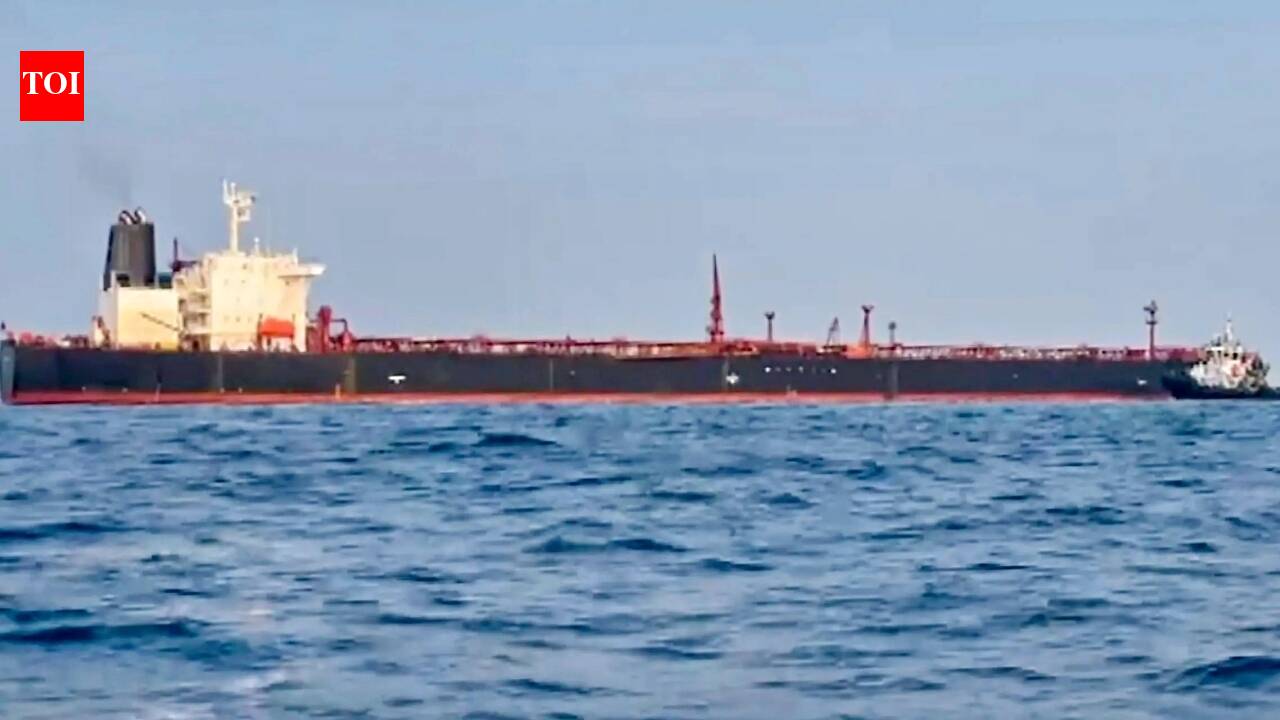
Iran's blacklisting of 12 VLCCs at the core of the Hormuz shuttle trade threatens a workaround moving roughly one-third of Middle East Gulf crude exports. Three Indian refiners and a global energy major plan to stop using the vessels, and Braemar warns remaining Hormuz tonnage will command higher premiums.
 Commodities
 Brent crude remains above $90 per barrel as Hormuz operations remain disrupted
Brent crude held above $90 per barrel in early Thursday trade, up 0.41% to $92, while WTI rose 0.32% to $84.66, as the US-Iran war and Strait of Hormuz disruption kept the risk premium intact. Conflicting US and Iranian statements on the strait's status slowed shipping, while the UAE suspended financial transactions with Iran. Meanwhile, US crude inventories climbed 4.4 million barrels, topping expectations for a 600,000-barrel draw.
 Logistics
 Hormuz Shock Sends Jebel Ali Tumbling Out of Global Top 30 Container Rankings
Jebel Ali fell from 10th to 32nd in global container port rankings as the Strait of Hormuz disruption cut H1 throughput to 3.14m teu, less than half of last year's 7.77m teu. DP World shifted 500,000 teu via Gulf road and rail corridors and signed a 50-year deal for a new Fujairah terminal. Ningbo-Zhoushan overtook Singapore for the first time in Alphaliner's half-year rankings.
 Logistics
 Hormuz compliance clash traps owners between Tehran and Washington
Iran's Persian Gulf Strait Authority has blacklisted 45 vessels transiting the Strait of Hormuz, threatening fines, detention and cargo confiscation, while the US warns that complying with Tehran's regime could trigger sanctions. The list includes ships linked to ADNOC Logistics, Bahri, Sinokor and others, with 14 already attacked. The US Treasury expanded secondary sanctions to shipping, targeting five shadow-fleet vessels.
 Logistics
 Seafarer Killed in Latest Strait of Hormuz Strike as Iran Claims Detention of UAE Tanker
A seafarer was killed in the latest attack on merchant shipping in the Strait of Hormuz, and Iran is claiming to have detained a UAE-owned tanker for failing to comply with its new transit regime, according to Splash247. The 76,801 dwt bulker Minoan Dignity was struck off Oman, while the 60-day US-Iran memorandum has expired without a diplomatic breakthrough.
 Commodities
 Crude prices cross $90 as ceasefire hopes dim, Hormuz disruption weighs on supply
Brent crude surged past $90 a barrel on Tuesday, while WTI climbed to $84.84, as stalled ceasefire hopes and a collapse in tanker traffic through the Strait of Hormuz raised supply concerns. Iran signalled a 'fully offensive' posture, the US ruled out extending the ceasefire, and Houthi attacks spread to the Red Sea, according to Business Today.
 Logistics
 New study: Hormuz just one of many shipping chokepoints, Oxford Economics finds
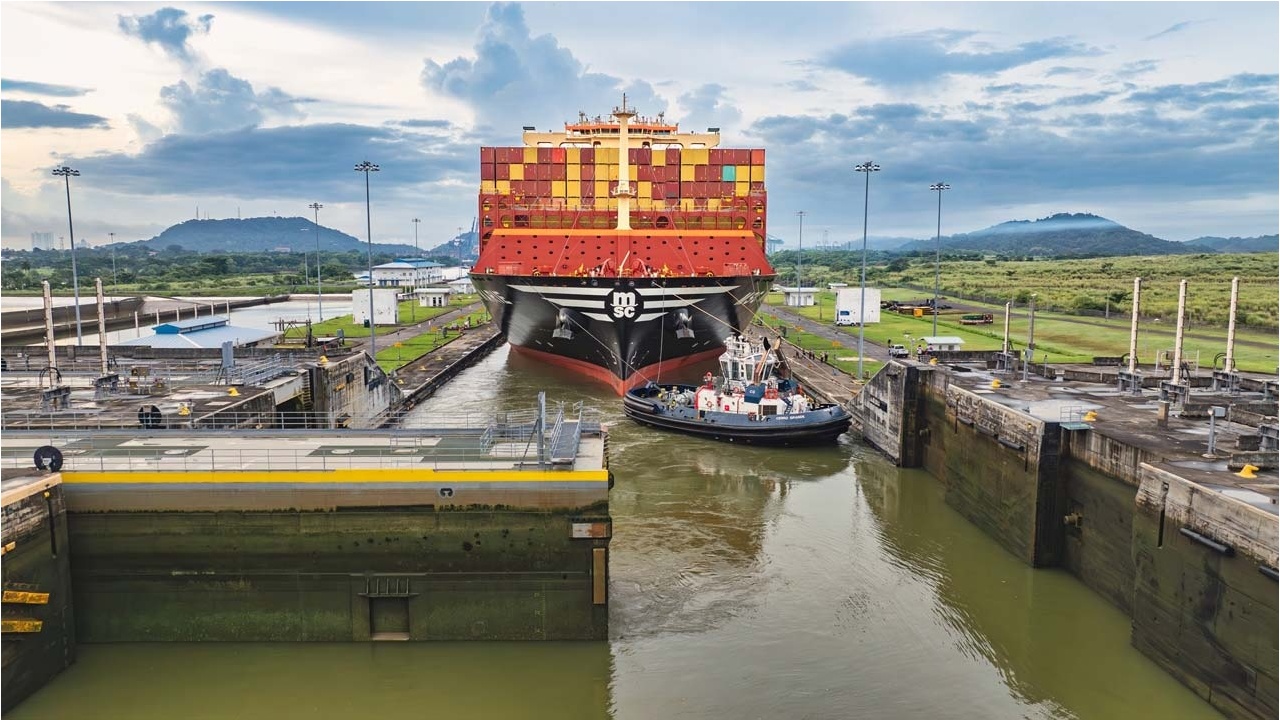
An Oxford Economics study reported by FreightWaves warns that the Strait of Hormuz is only one of many maritime chokepoints that can disrupt global trade. Geopolitical leverage and climate events — from Houthi attacks in the Red Sea to Panama Canal draft cuts — are raising costs and forcing carriers to adjust vessel rotations. Nearly a quarter of global trade passes through the Malacca and Taiwan straits, amplifying systemwide risk.
 Logistics
 Dark Transits Keep Hormuz Oil Flowing as ADNOC Vessels Face New Attacks
Hormuz oil flows persist near 9 million barrels per day despite fresh attacks on ADNOC ships, as risk-tolerant tankers run dark and transfer cargo to mainstream operators off Oman. Satellite data shows ~150 vessels floating off Oman, up from ~40 in January, while ADNOC reports 19 vessels attacked. The Joint Maritime Information Center rates the threat as severe.
 Commodities
 Domestic Refiners Told to Boost LPG Output as Hormuz Uncertainty Lingers
India has directed private and state-owned refiners to maximise LPG production as uncertainty over the Strait of Hormuz threatens imports, with output already lifted to 54,000 tonnes a day from 36,000 tonnes pre-war. The government set a 63,810-tonne-a-day target, assigning Reliance Industries the largest quota at 18,000 tonnes a day, ahead of the September-November festival season.
 Commodities
 Oil Holds Steady as Strait of Hormuz Nears Zero Traffic; Iran-US Talks Stall
Brent crude edged up 0.42% to $88.89 and WTI rose 0.21% to $82.57 as vessel traffic through the Strait of Hormuz nearly halted over the weekend. Kpler data showed only five commodity vessels crossed on Saturday and none on Sunday, versus 31 the prior weekend, while Iran-US talks remained stalled.
 Commodities
 Asian refiners buy more US crude as Hormuz remains blocked, traders say
At least four Asian refiners bought US crude this week as the Strait of Hormuz remained effectively closed, according to traders cited by The Hindu BusinessLine. The purchases, spanning Mars and WTI grades for delivery later this year, came at premiums of $8–14 per barrel above Dubai, WTI, and Dated Brent benchmarks. Asia's July imports of US crude hit a record 2.35 million barrels per day, data from Kpler showed.
 Commodities
 Brent crude jumps over 1% as traders await Strait of Hormuz reopening
Brent crude jumped 1.32% to $84.65 a barrel while WTI rose 1.04% to $78.99 as traders assessed delays in reopening the Strait of Hormuz, according to Business Today. An Iran-Oman shipping-lane deal is in its final stages but tied to US concessions, while Houthi attacks on Saudi Aramco's Jazan refinery added supply risk.
 Supply Chain
 Hormuz Disruption Lifts Landed Costs by up to 50%, Raising Consumer Price Risk
Landed costs on Indian trade lanes are climbing 35–50% — and over 200% in some cases — as Strait of Hormuz unrest sends freight rates and war-risk charges soaring. The cost pressure is reaching consumers through contract pass-through clauses, while force majeure in Gulf gas supply curtails fertiliser, steel and petrochemical output.
 Commodities
 Crude oil gains as Iran plans to ban US, Israeli ships from Hormuz transit
Crude oil futures traded higher on Friday after reports that Iran intends to ban US and Israeli ships from the Strait of Hormuz, according to The Hindu BusinessLine. October Brent rose 1.72% to $83.91 and September WTI gained 1.49% to $78.44. ING strategists expect Brent to average $80 a barrel in Q3 despite growing US-Iran tensions.
 Logistics
 Iran and Oman close in on new Hormuz traffic regime with carrier fees
Iran and Oman are expected to unveil a new Strait of Hormuz traffic arrangement imminently, with routes split between Iranian and Omani waters and proposed service fees of 5-7% of cargo value. The plan faces opposition from the US and eight shipping associations, while Houthi attacks continue to disrupt Gulf shipping.
 Commodities
 Crude Oil Futures Fall on Reports of Iran-Oman Deal for Hormuz Reopening
Crude oil futures fell Thursday after reports that Iran and Oman plan an agreement for the partial reopening of the Strait of Hormuz. Brent and WTI declined while MCX crude rose; ING strategists said US-Iran talks remain the real hinge point. The US EIA reported a 2.5-million-barrel weekly build in commercial crude inventories.
 Logistics
 Third engineer missing after Greek bulker Minoan Pioneer struck in Strait of Hormuz
Greek-operated bulk carrier Minoan Pioneer was struck by an unidentified projectile in the Strait of Hormuz on Monday, leaving its third engineer missing and the vessel without power, according to Splash247 and Vanguard Tech. The attack is the fourth maritime security incident near Oman's Musandam Peninsula in five days, and UKMTO confirmed the vessel had been struck by an unknown projectile. Military authorities are investigating and no group has claimed responsibility.
Logistics Tankers Face Fresh Hormuz Threats as Diplomacy Resumes, Houthis Deny Bab al-Mandab Tolls
Fresh threats and explosions in the Strait of Hormuz are disrupting tanker traffic, with two Liberia-flagged tankers reporting attacks and an LNG carrier left inoperable. The Houthis denied imposing tolls at Bab al-Mandab, while Gulf exporters accelerate alternative routes and war-risk cover remains uncertain.
Trade US Sanctions Iran’s Hormuz ‘Extortion Scheme’ and Eight Shadow Tankers
The US Treasury sanctioned Persian Gulf Marine Insurance Company and HormuzSafe Marine Services Authority for running an IRGC-backed extortion scheme that forces commercial vessels to purchase maritime insurance before transiting the Strait of Hormuz. OFAC also designated eight tankers and their owning companies for transporting Iranian crude oil, bringing the total shadow fleet sanctions to over 100 ships since the start of the year.
Logistics Weekend Lull Fails to Unlock Strait of Hormuz Shipping as Attacks Pause
A weekend lull in US-Iran attacks brought no relief to Strait of Hormuz shipping, with commercial traffic at around 12 daily passages and crude tanker transits at about one per day. The Pentagon halted its bombing campaign late Friday after 13 consecutive nights, but shipowners remain wary. Meanwhile, the Lloyd's Market Association published model wording (LMA5708) that could void hull cover for vessels paying transit fees, and US Central Command continued enforcement operations, including disabling a tanker in the Gulf of Oman.
 Logistics
 Gulf nations invest billions in pipelines to bypass Strait of Hormuz amid rising risks
Gulf nations are accelerating multi-billion-dollar pipeline projects to create alternative oil export routes bypassing the Strait of Hormuz, which has faced repeated disruptions. Seven major pipelines are under construction or planned, including UAE's $3 billion Fujairah pipeline and Iraq's proposed Basra-to-Ceyhan line. Existing routes from Saudi Arabia and UAE are already operating near capacity. The shift will reduce dependence on the narrow strait but introduces new risks, such as Houthi blockades in the Red Sea.
 Logistics
 Ports and Pipelines Reshape Middle East Trade Beyond the Strait of Hormuz
DP World has confirmed plans for two new terminals on the UAE's east coast, outside the Strait of Hormuz, adding a combined 2.5 million TEU of container capacity and 5.3 million tonnes of general cargo. Rival Gulftainer is expanding Khorfakkan terminal. Meanwhile, pipeline projects accelerate to bypass Hormuz for crude oil, though refined products remain exposed.
Logistics Direct Hits on Tankers Push Hormuz Traffic to New Lows, Brokers Warn
Tanker traffic through the Strait of Hormuz has fallen sharply after a series of direct Iranian attacks on commercial vessels. Outbound movements average just four tankers per day, inbound three, well below previous averages. The pool of willing shipowners is shrinking, and the risk environment is deteriorating rapidly.
 Logistics
 Al Seer Marine's Nitin Mathur: Strait of Hormuz, AI, and Singapore to Dominate Splash Singapore
Nitin Mathur, managing director of commercial shipping at Al Seer Marine, expects the US-Iran conflict and Strait of Hormuz to dominate discussion at Splash Singapore. He highlights AI adoption, decarbonisation capex uncertainty, and Singapore's continued leadership as key themes.
 Commodities
 Russia, Latin America Fill Gap as India's Middle East Oil Imports Fall on Hormuz Disruptions
India's crude oil imports from the Middle East dropped 27% year-on-year in the April-June quarter to 1.55 million barrels per day, constrained by disruptions through the Strait of Hormuz following the US-Israeli attack on Iran. Imports from the CIS, including Russia, surged 8.3% to 2.26 million barrels per day, with Russian crude hitting an all-time high of 2.64 million barrels per day in June. Imports from Latin American suppliers such as Brazil, Venezuela, and Angola also increased, as Indian refiners adapted to supply route disruptions.
 Logistics
 Sinokor Offers Crews Six Months' Pay for Hormuz Round Trips After Tanker Attacks
After two product tankers were abandoned following projectile strikes in the Strait of Hormuz, South Korea's Sinokor Group offered crews six months' additional pay for a one-month round trip. War-risk premiums have climbed to 10% of vessel value, and commercial traffic through the chokepoint has slowed sharply.
 Commodities
 Hormuz Disruptions: India's Russian Oil Imports Near Record in July Despite No US Sanctions Waiver
India's crude oil imports from Russia stayed near record highs in July, averaging 2.45 million barrels per day, despite the US not granting a sanctions waiver. UAE and Saudi Arabia are the second and third largest suppliers, while Venezuela entered the top five. Industry experts highlight India's flexible sourcing strategy amid the Hormuz disruption.
 Logistics
 Hormuz transits fall sharply as Iran warns of unsafe waters amid US strikes
Transits through the Strait of Hormuz have dropped sharply after Iran claimed two oil tankers exploded and warned the waterway is unsafe. Clarksons data shows crude tanker transits fell from six to roughly two per day, and total shipping from 36 to about 15, as the US continues airstrikes on Iran.
 Logistics
 Splash Singapore: Christoph Toepfer Warns of Recurring Hormuz Disruption for Tanker Industry
Christoph Toepfer, CEO of Borealis Maritime, warns the tanker industry to prepare for recurring Strait of Hormuz disruption rather than one-off events. Speaking at the upcoming Splash Singapore conference, he highlights impacts on charter rates, insurance premiums, and rerouting via the Cape of Good Hope, urging investment in supply chain resilience and AI-driven logistics tools.
Logistics Hormuz and Red Sea Risks Converge as US Strikes Iranian-Bound Tanker, Houthis Threaten Bab el-Mandeb
The US military fired missiles into a commercial tanker attempting to reach Iran, while Tehran’s Revolutionary Guard threatened to prevent regional energy exports if Iranian cargoes are blocked. Simultaneously, a senior Houthi official warned that Bab el-Mandeb could be closed if regional fighting escalates, raising the prospect of simultaneous disruption at the Middle East’s two key maritime energy exits.
Logistics Hormuz crisis reaches final form: double tolls, dual routes, and paralysis for shipping
The Strait of Hormuz has become the world's first double-tolled chokepoint after the US announced a 20% levy on all cargo transiting the strait, while Iran continues collecting fees from 'friendly' vessels. The dual pricing, along with two rival traffic routes and two irreconcilable geopolitical worldviews, is creating paralysis across ocean freight, especially for oil and LNG tankers. P&I clubs, charterers and traders have no precedent to price the risk.
 Logistics
 Trump Monetises Hormuz Security as Tanker Attack Kills Indian Seafarer and US Reimposes Iran Blockade
A UAE-flagged tanker was struck by Iranian missiles in the Strait of Hormuz, killing an Indian crew member, as the US resumed its blockade of Iranian ports and President Trump announced a 20% toll on all cargo transiting the waterway. DP World is planning a new port at Fujairah to bypass the strait.
 Logistics
 Strait of Hormuz Security Collapses After Boxship Attack; US and Iran Trade Strikes
The security situation in the Strait of Hormuz deteriorated sharply after a 7,000 TEU container vessel operated by Global Feeder Shipping was attacked and caught fire. The US launched further strikes on Iranian targets, and Iran retaliated with missile and drone attacks across the Gulf. Iran declared the strait closed while the US insists it remains open, creating uncertainty for shipping.
Logistics Strait of Hormuz Near Standstill, Ukraine Strikes, Evergreen Raided, ZIM Sale Faces Hurdles
The Strait of Hormuz saw a near standstill after US strikes on Iran, with three vessels attacked. Ukraine escalated attacks on Russian shipping. Evergreen Marine was raided in Taiwan. The ZIM sale to Hapag-Lloyd faces political opposition. The Panama Canal will reduce neopanamax draught limits.
Logistics Strait of Hormuz Traffic Near Standstill as Trump Declares Ceasefire 'Over' After US Strikes on Iran
Traffic through the Strait of Hormuz came to a near standstill on July 9 after a second day of US strikes on Iran, with President Trump declaring the ceasefire 'over.' Iran struck Kuwait and Bahrain, and attacks on three commercial vessels—including an LNG carrier and two VLCCs—prompted an IMO evacuation framework suspension. The Joint Maritime Information Centre raised the threat assessment to severe, and Iran threatens to close the strait completely.
 Commodities
 15 India-Bound Ships Carrying Urea, DAP and Sulphur Cross Hormuz Safely: Government
The Indian government reported that 15 out of 20 vessels carrying fertilisers and raw materials have safely crossed the Strait of Hormuz, ensuring uninterrupted supply. Domestic production of urea, DAP, and NPK exceeded targets in Q1 FY27, and fertiliser stocks stand at 163.35 lakh tonnes as of July 2.
Logistics Strait of Hormuz Crisis: Tanker Attacks Trigger US Strikes, Threat Level Raised to 'Severe'
Three tanker attacks in 24 hours — including a Qatari LNG carrier and a Saudi-linked VLCC — have pushed the Strait of Hormuz back into crisis mode. The US responded with strikes on Iranian military infrastructure, and the Joint Maritime Information Center raised the threat level to 'severe'. The escalation reverses a fragile recovery from last month's ceasefire and threatens commercial shipping through the vital waterway.
 Logistics
 Four Oil and Gas Tankers Turn Back from Strait of Hormuz After Renewed Vessel Attacks
At least four oil and gas tankers have turned back from the Strait of Hormuz after renewed attacks on vessels in the critical waterway. The diversions follow damage to a Qatari LNG tanker and a Saudi-flagged crude oil tanker, prompting a 'severe' threat risk for transiting vessels. The disruptions affect LNG and crude oil flows from Qatar and the UAE, with a queue of ballast vessels building up at Qatar's Ras Laffan export facility.
 Commodities
 Oil prices inch higher as focus shifts to supply, demand and Hormuz shipments
Oil prices edged higher on Tuesday, with WTI crude at $68.83 per barrel and Brent at $72.26, as the market shifted focus to supply-demand dynamics and recovering shipments through the Strait of Hormuz. A tanker was struck by a projectile near Oman, renewing geopolitical concerns, but gains were capped by OPEC+ output increases and record UAE production.
 Logistics
 Hormuz dispute shifts from access to control as containership grounding highlights risks
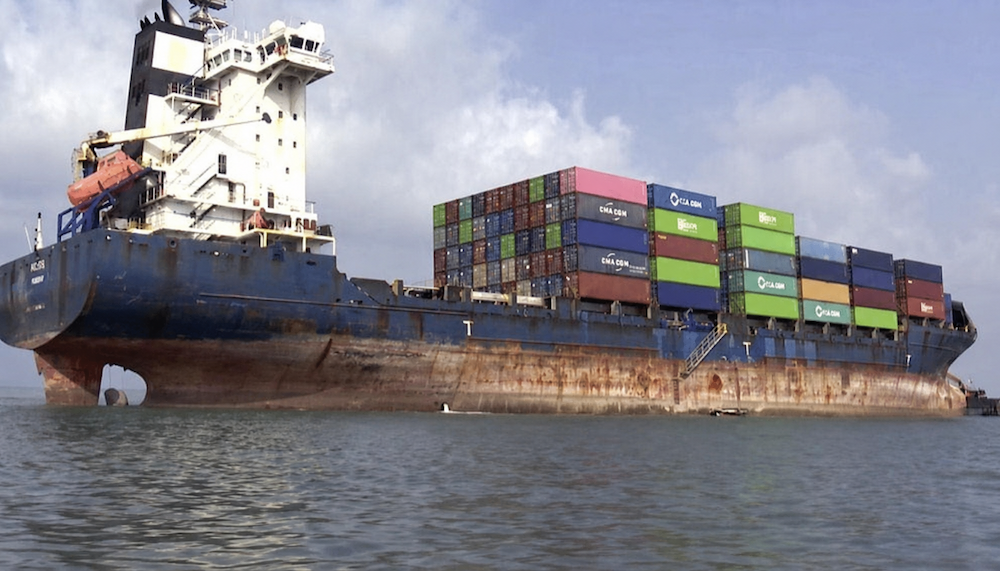
Indirect US-Iran talks in Doha yielded only a seven-day quiet period on the Strait of Hormuz, with negotiations deadlocked over joint sovereignty and tolling proposals. A Comoros-flagged containership sanctioned under OFAC ran aground after deviating from Iran's approved corridor, exposing the operational risks for vessels transiting the waterway. The dispute has shifted from access to control, with Iran demanding passage fees and warning of 'irreversible incidents' for non-compliant ships.
 Logistics
 VLCC market adapts as Hormuz closure reshapes global crude flows: Splash247 analysis
The effective closure of the Strait of Hormuz in Q2 2026 forced VLCC charterers, owners, and traders to reroute crude flows, with the Gulf of Oman emerging as the new Middle Eastern baseline. The Baltic Exchange introduced a new benchmark route, TD34, while freight rates on key lanes fluctuated. The Atlantic Basin gained strategic importance as Brazil drove activity.
 Commodities
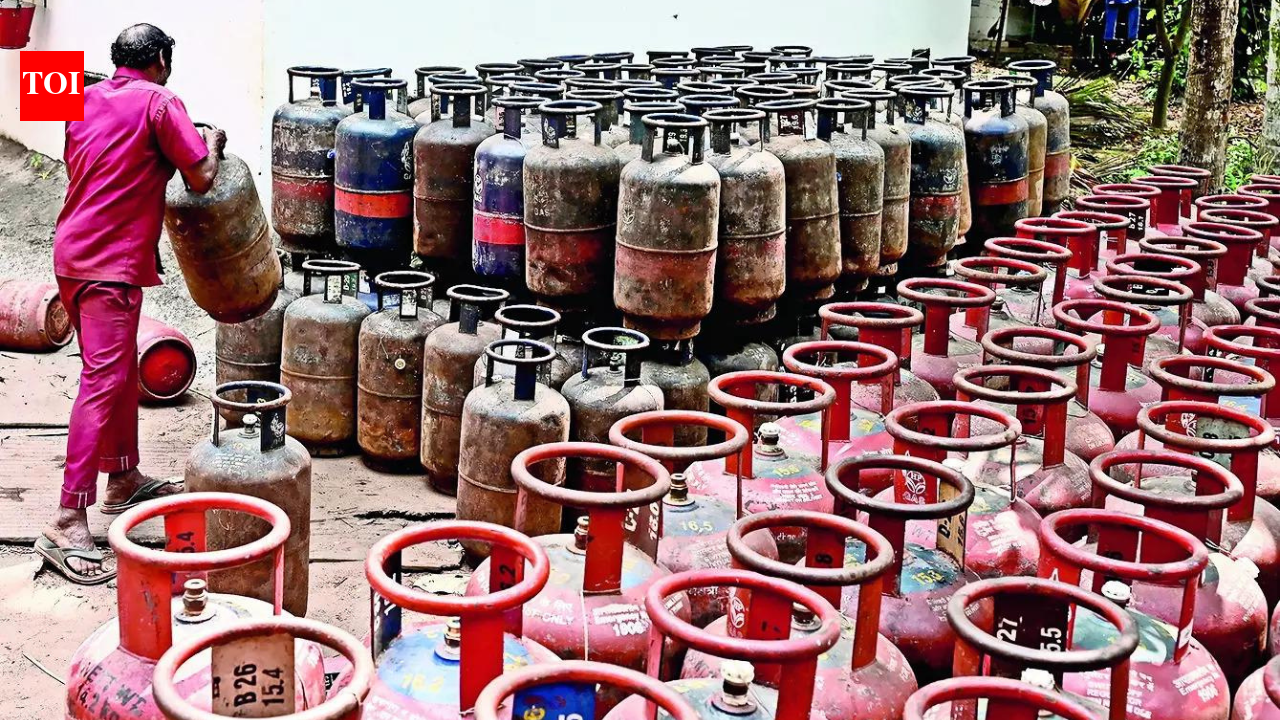
 India Plans 30-Day LPG Storage Buffer After Iran War Exposes Hormuz Supply Risk
State-run OMCs in India are developing a 30-day strategic LPG reserve to mitigate supply risks highlighted by the Iran conflict, with BPCL investing roughly Rs 5,000 crore to nearly double its storage capacity. The plan includes expanded onshore, underground, and floating storage, alongside import diversification from the US, Europe, and Russia. India imports nearly 60% of its LPG, with about 90% of those imports passing through the Strait of Hormuz.
 Commodities
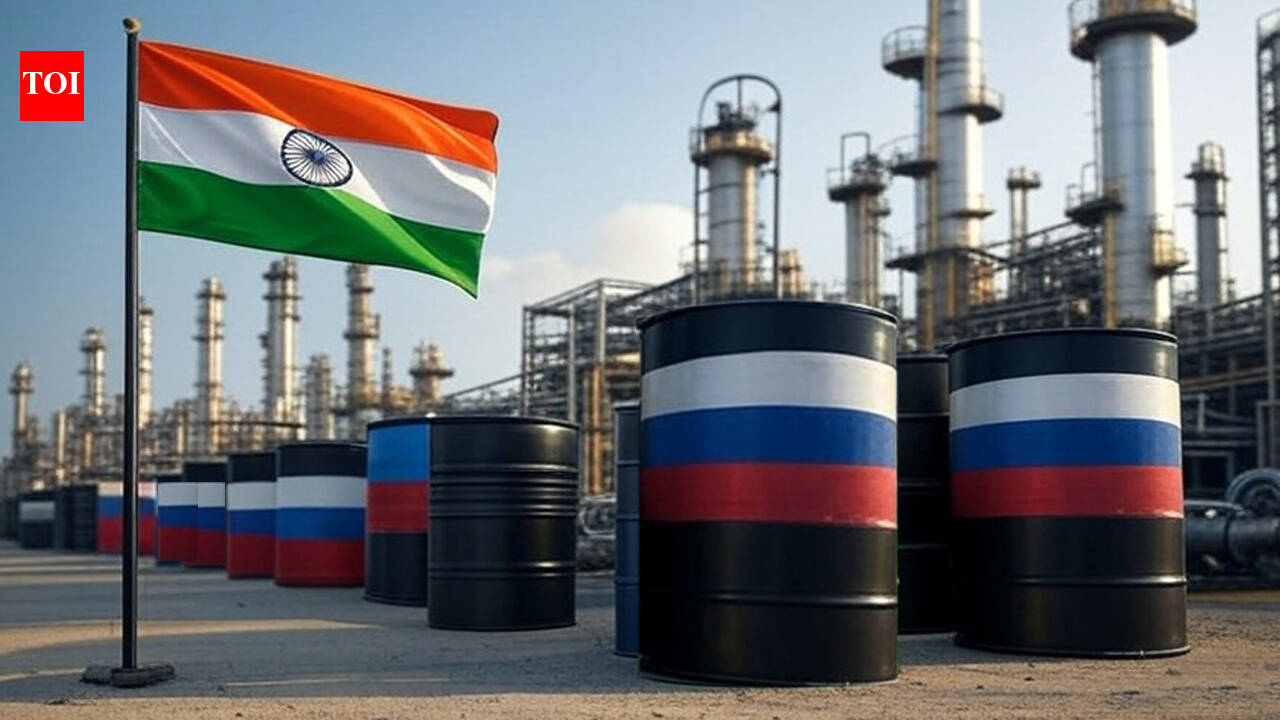
 India's Russian Oil Imports Hit Record High in June Amid Hormuz Disruptions
India imported a record 2.70 million barrels per day of Russian crude in June, more than half of its total oil imports, as refiners sought discounted barrels to offset supply risks from the Strait of Hormuz crisis. Overall imports held steady at around 4.9 million bpd, with Russia displacing Middle Eastern supplies.
Logistics Strait of Hormuz Security Collapses as US and Iran Trade Fresh Military Strikes
The 14-point ceasefire for the Strait of Hormuz collapsed over the weekend as US and Iranian forces exchanged strikes following drone attacks on two commercial vessels. The Panama-flagged tanker Kiku and containership Ever Lovely were hit, with Iran threatening stricter routing enforcement. Oman has proposed an alternative corridor, but shipping through the strait is unlikely to return to pre-conflict arrangements.
 Logistics
 Strait of Hormuz Crisis Tests Trust Between Shipmanagers, Owners and Crews, Says InterManager President
The crisis in the Strait of Hormuz is testing relationships between shipmanagers, owners, and crews. InterManager president Sebastian von Hardenberg writes that mental well-being and transparent communication are critical. The industry's response will affect seafarer recruitment and retention.
 Logistics
 Strait of Hormuz traffic surges then halts after attack, evacuation paused
Ship traffic through the Strait of Hormuz surged to a three-month high on Wednesday after the US lifted sanctions on Iranian oil, but dropped sharply on Friday following an attack in the Gulf of Oman that halted an IMO evacuation operation for 11,000 stranded seafarers. The surge saw 73 vessels transit on Wednesday, but traffic fell by half after Iran warned ships to avoid the Omani coast. Major global carriers have not returned, and the IMO plans to reconfirm safety guarantees before resuming evacuations.
 Commodities
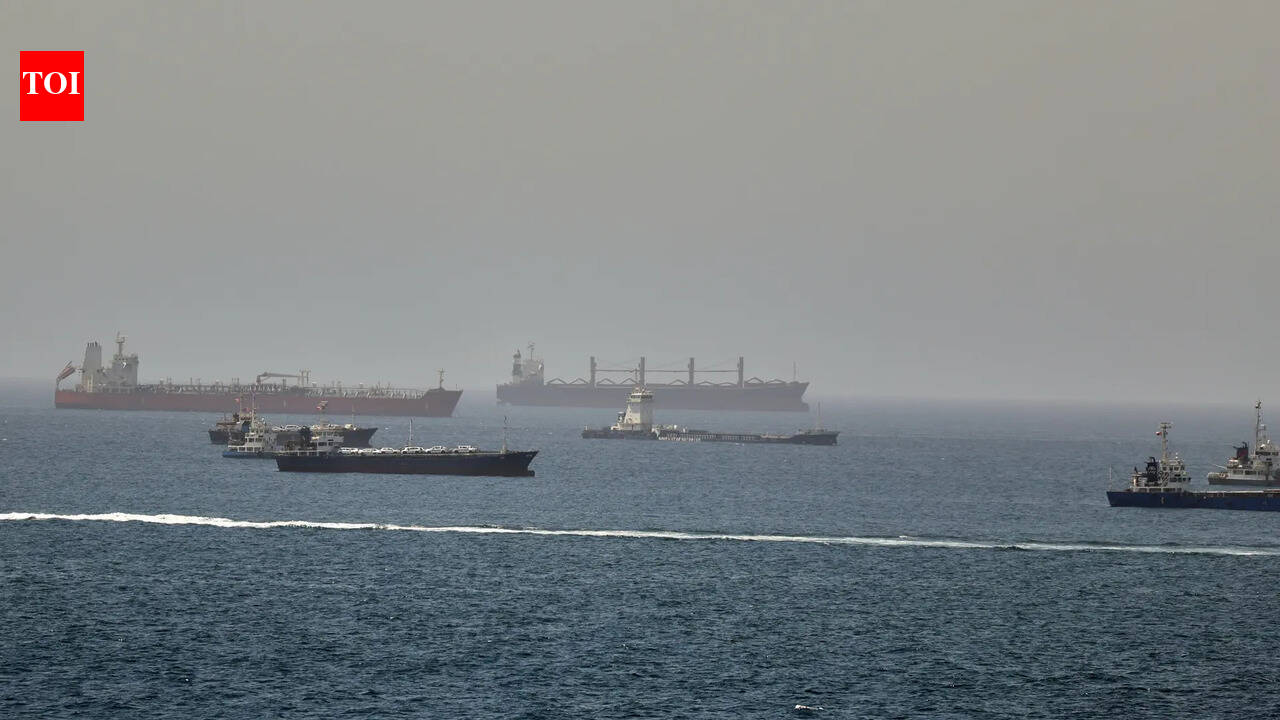
 Qatari crude oil returns to Asian market as Strait of Hormuz reopens for trade
Qatar has resumed crude oil exports to Asia for the first time since the Iran war began, with Al-Shaheen grade sold to Formosa Petrochemical Corp and Indian refiners. The Strait of Hormuz is seeing increased tanker traffic following a US-Iran deal, though exports remain well below pre-war levels. Oil futures edged up after a attack on a cargo ship raised safety concerns.
Logistics Evergreen Ship Hit at Hormuz Halts IMO Evacuation, Threatens Transit Resumption
Plans to restart commercial shipping through the Strait of Hormuz have been dealt a blow after an Evergreen containership was hit shortly after transiting the waterway, according to Splash247. The International Maritime Organization (IMO) has paused its evacuation operation for vessels trapped in the Gulf. The incident escalates security risks for ocean carriers and may force further route diversions and insurance cost increases.
Logistics Hormuz Reopening Plans Thrown into Doubt After Evergreen Boxship Attack
The IMO paused its evacuation plan for vessels trapped in the Gulf after an Evergreen containership, the Ever Lovely, was struck by a drone while transiting the Strait of Hormuz. The attack casts doubt on plans to resume commercial shipping through the waterway and raises concerns about safety guarantees.
 Commodities
 Crude Oil Down 2% as Strait of Hormuz Resumes Shipments Despite Vessel Strike Near Oman
Crude oil prices fell 2% on Friday, headed for an 8% weekly loss, as more tankers exited the Strait of Hormuz following a ceasefire deal. Saudi Aramco resumed loading at Ras Tanura after a four-month halt. Despite a vessel hit near Oman and earthquakes in Venezuela, supply concerns eased with increased flows, while demand from China remained weak.
 Commodities
 Middle East fuel oil exports hit four-month high as Hormuz shipping recovers
Middle Eastern fuel oil exports are set to rebound to a four-month high in June, rising more than 20% from May, as Iraq and Saudi Arabia reroute supplies through alternative ports while Strait of Hormuz shipments gradually resume after the US-Iran interim peace agreement. Exports are expected at about 2.4 million metric tonnes, still far below pre-conflict levels, with recovery constrained by tighter regional balances and peak summer demand.
Logistics Strait of Hormuz Shipping Traffic Surges 48% in One Day as IMO Evacuates 11,000 Stranded Seafarers
Vessel traffic through the Strait of Hormuz surged 48% in a single day, marking the clearest sign yet of a return to commercial normalcy. The IMO is overseeing the evacuation of over 11,000 stranded seafarers, while Iran released crew from the seized containership Epimonidas.
 Commodities
 Crude Slips Toward $70 as Tankers Return to Hormuz After US-Iran Peace Deal
Crude oil prices tumbled toward $70 per barrel as tanker movement through the Strait of Hormuz resumed after the US and Iran reached a peace deal. Brent crude fell to $72.90 and WTI to $69.61, with physical cargoes trading at discounts globally. The return of normal flows and potential increase in Iranian exports are easing supply concerns.
 Commodities
 Crude Oil Falls to Four-Month Low as Strait of Hormuz Traffic Improves and Iran Supply Outlook Weighs
Crude oil prices fell to four-month lows on Wednesday, with Brent crude dropping 1.8% to $75.71 per barrel and WTI falling 1.5% to $72.13, as improved tanker movement through the Strait of Hormuz and expectations of increased Iranian exports eased supply disruption concerns. The physical market also weakened, with Middle Eastern grades like Dubai, Oman, and Murban slipping into discounts. Despite the decline, analysts caution that geopolitical risks remain unresolved.
Logistics IMO and Oman Orchestrate Phased Reopening of Hormuz as Vessel Transits Rise
The Strait of Hormuz is reopening under a phased evacuation plan coordinated by the IMO and Oman. Vessel transits are rising after the US-Iran agreement, with over 11,000 seafarers still stranded. Allianz estimates $125bn in vessel and cargo value waiting passage, while insurers brace for claims.
 Commodities
 Crude Oil Futures Fall Nearly 1% as Strait of Hormuz Tanker Traffic Shows Signs of Recovery
Crude oil futures dropped nearly 1% on Wednesday as tanker traffic through the Strait of Hormuz improved, easing supply disruption fears. September Brent fell to $76.29, while August WTI slipped to $72.67. ING Think analysts called the sell-off overdone. US President Trump announced Iran agreed to nuclear inspections, allowing the strait to remain open.
 Commodities
 Trump Claims Record 19 Million Barrels of Oil Transited Hormuz; Prices Fall
US President Donald Trump claimed that 19 million barrels of oil transited the Strait of Hormuz on Monday, setting an all-time record. Oil prices ticked lower, with Brent crude falling to $77.45/barrel and WTI to $73.52/barrel. The US formally waived sanctions on Iranian oil for 60 days under General License X, in line with a US-Iran memorandum of understanding.
 Logistics
 Hormuz Hotline Opens Between US and Iran but Strait Remains Closed to Shipping
Qatar and Pakistan announced a direct US-Iran communication channel for the Strait of Hormuz following talks in Switzerland, but Iran's Fars News Agency reported the strait remains closed. HSBC cautioned shipping normalisation will lag, while BRS described the situation as a false start after a brief rise in traffic.
 Commodities
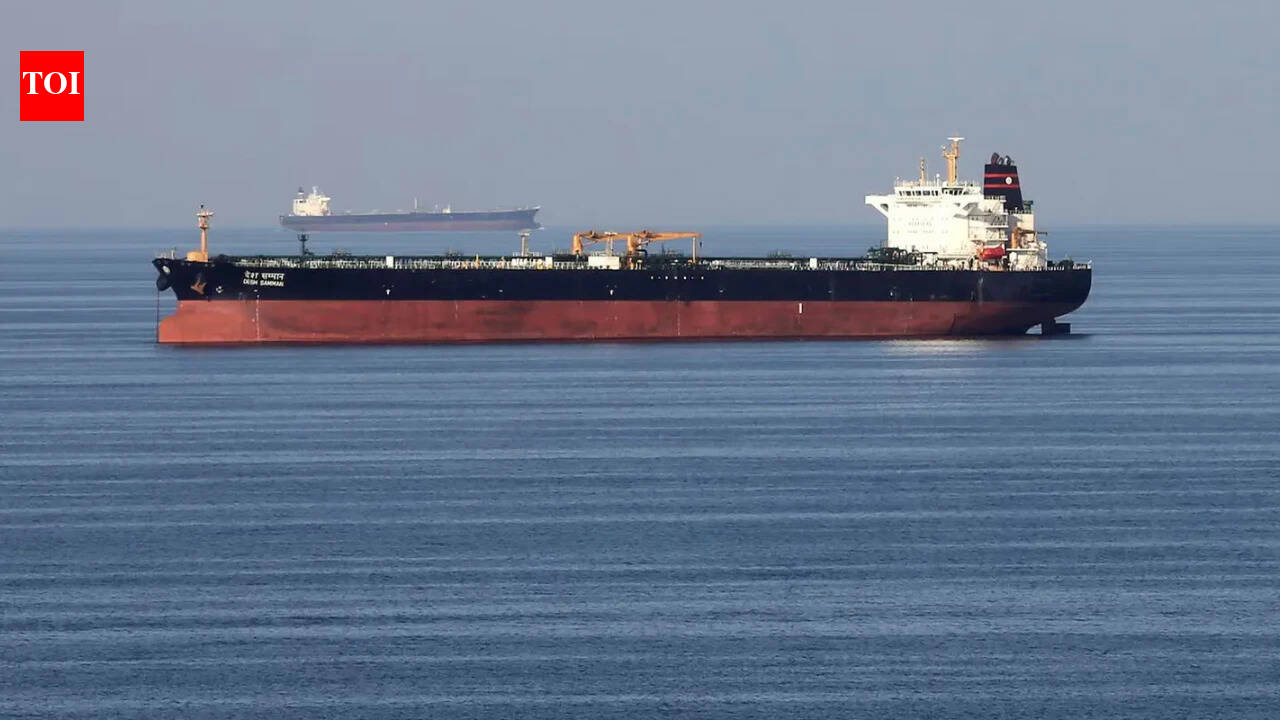
 Oil prices rebound as US-Iran peace hopes temper Hormuz supply fears
Oil prices edged higher on Tuesday after a sharp decline, as investors weighed cautious optimism over US-Iran peace talks against uncertainty about the Strait of Hormuz reopening. Brent crude rose 0.38% to $78.15, while WTI gained 0.46% to $74.19. The rebound followed a >3% drop on Monday after the US granted Iran a 60-day sanctions waiver. Two crude tankers transited the Strait on Monday, suggesting flows are recovering. US Strategic Petroleum Reserve fell to 331.2 million barrels, the lowest since June 1983.
 Commodities
 Record Russian crude buys, stockpiling: How India secures oil supply amid Hormuz closure and US-Iran war
India, importing 90% of its crude needs, is stocking up on oil and diversifying supply sources as the Strait of Hormuz remains disrupted due to the US-Iran war. Russian crude imports hit a record 2.66 million barrels per day in June, while imports from the UAE remain near historic highs. The government has tasked ONGC with developing a new strategic petroleum reserve with an investment of roughly $1.6 billion.