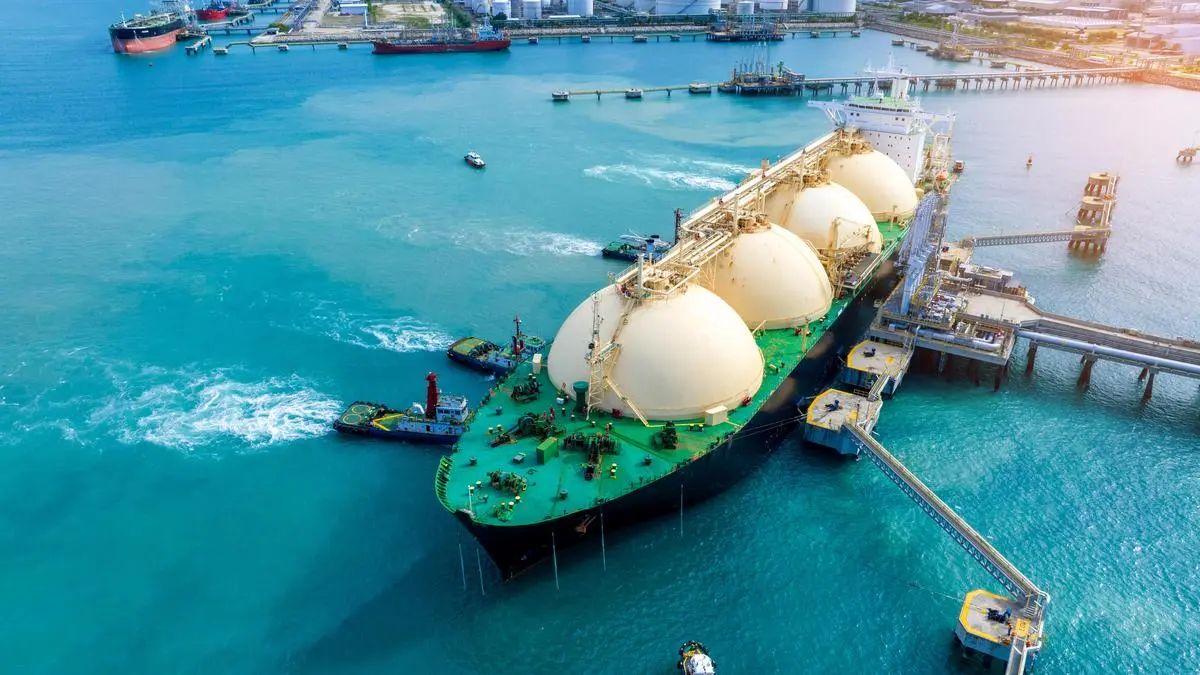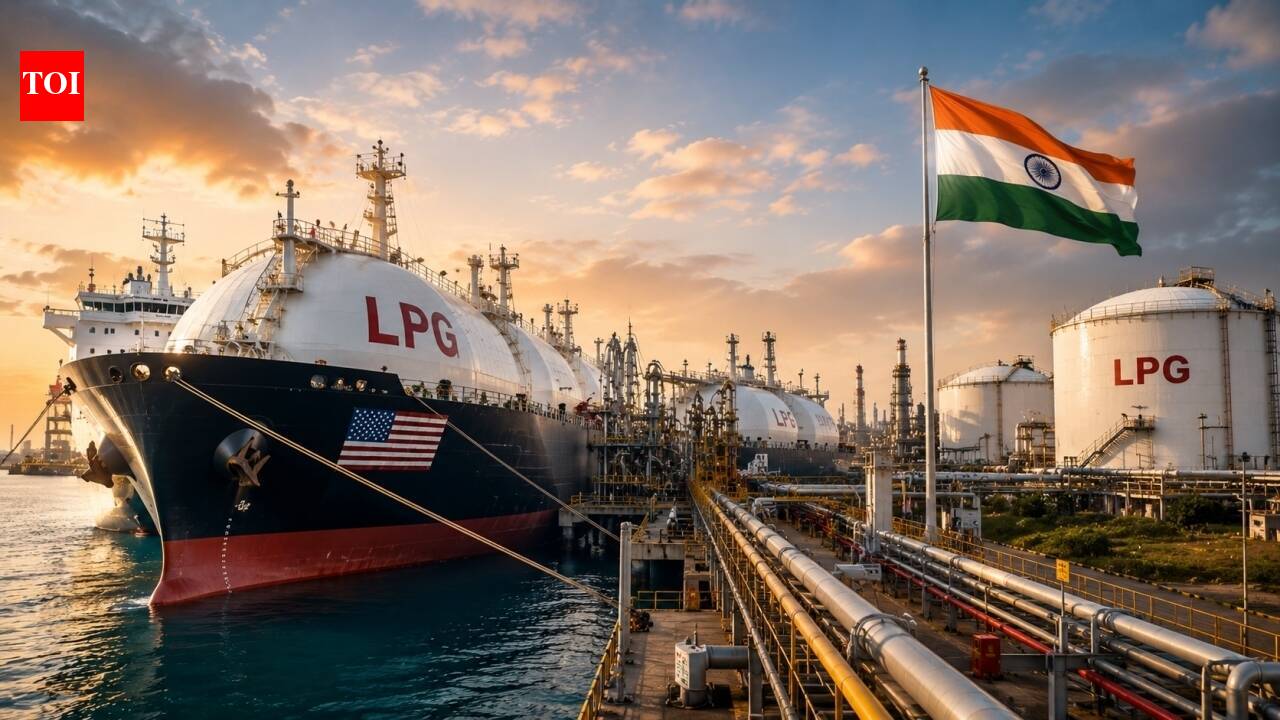
Indian Oil Corporation (IOC), India's largest refiner, is moving to acquire a 50% stake in very large gas carriers (VLGCs) as it prepares to step up imports of liquefied petroleum gas (LPG) from the United States. According to a tender document cited by Reuters, the move—if completed—will make IOC the first Indian refiner to own VLGCs, shifting away from its current reliance on time-chartered vessels.
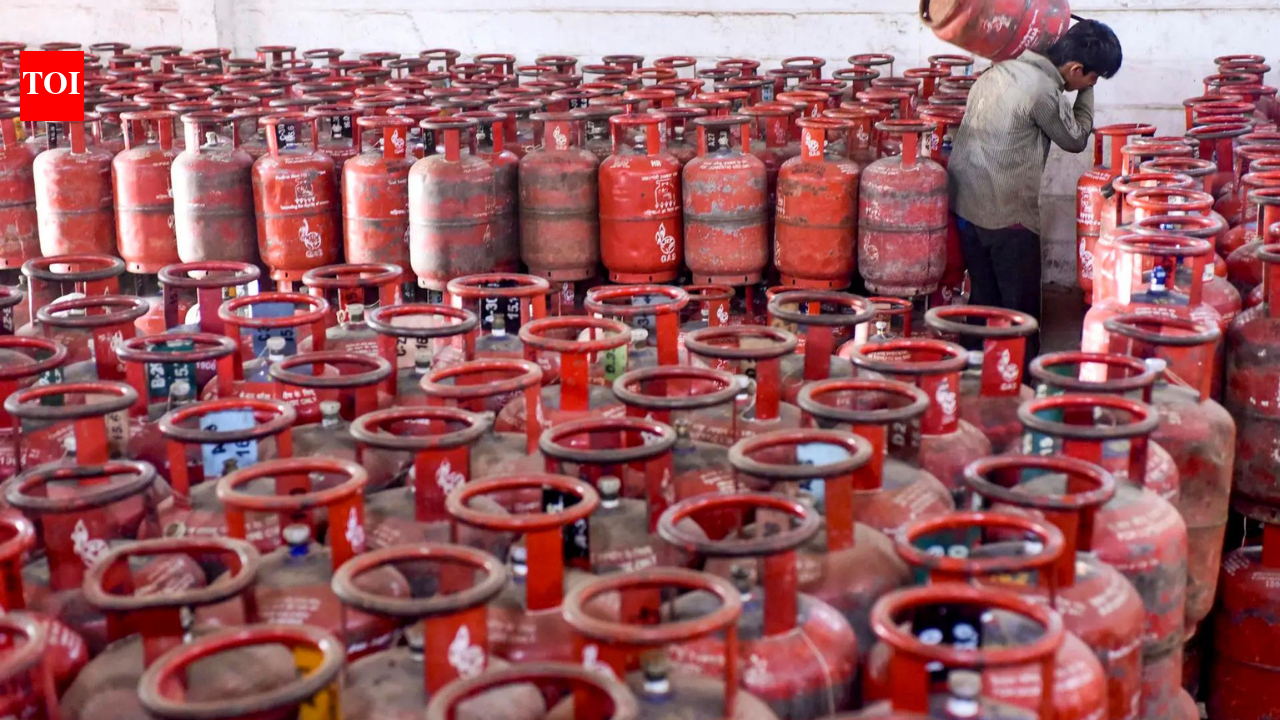
The driver is a structural shift in India's LPG sourcing. Since the outbreak of the West Asia conflict, the United States has emerged as India's largest LPG supplier, and state-run oil marketing companies now plan to raise annual imports beyond the current 2.2 million tonnes—with contracted volumes potentially doubling, as reported by TOI. However, US LPG is costlier for Indian buyers due to longer shipping distances and higher freight charges. As one Asian LPG trader put it:
"The biggest challenge in buying US LPG is not availability but freight rates."
Tender Details and Vessel Specifications
The tender document specifies VLGCs with a cargo capacity of 80,000 to 93,500 cubic metres and an age of no more than 12 years. The tender has been issued to a select group of companies, and interested bidders may offer up to two vessels. IOC has not disclosed how many vessels it ultimately intends to purchase, though IndianOil LNG—IOC's joint venture—reserves the right to acquire one or more ships through this process. A pre-bid meeting is scheduled for August 5, while commercial and technical bids must be submitted by September 7. Following acquisition, the vessels will be reflagged under the Indian flag.
Impact on Trade Lanes and Freight Markets
The shift is evident in trade data. According to global analytics firm Kpler, India's LPG imports from the US have risen sharply since the US-Iran war began. After a slight dip in April, imports grew steadily, with June volumes nearly 145% higher than February. In contrast, LPG shipments from major Middle Eastern suppliers—the UAE, Saudi Arabia, and Qatar—have dropped significantly. The UAE, once India's largest LPG supplier, saw exports decline sharply following the closure of the Strait of Hormuz.
| Source Region | Trend | Key Details |
|---|---|---|
| United States | Sharp increase | June volumes +145% vs Feb; annual imports ~2.2 mt, could double |
| Middle East (UAE, Saudi, Qatar) | Significant decline | UAE exports down sharply after Hormuz closure |
The move to own VLGCs directly addresses the freight cost challenge. By controlling vessel capacity, IOC can reduce exposure to volatile spot charter rates on the US-India LPG lane. State-owned fuel retailers are expected to increase US LPG purchases from 2027, and additional sourcing options, including Algeria, are being explored.
Shipper and Operator Implications
For freight forwarders and shipping lines, IOC's entry as a VLGC owner-operator could tighten capacity on the US Gulf Coast–India route, potentially pushing up charter rates in the short term. The reflagging of vessels under the Indian flag may also affect crewing and compliance costs. Other Indian importers may follow suit, further reshaping the VLGC market. The tender's deadline of September 7 will be a key milestone to watch—any delays or cancellations could signal a slower ramp-up.
Watch List
- August 5: Pre-bid meeting for VLGC tender.
- September 7: Commercial and technical bid submission deadline.
- 2027: Expected start of increased US LPG purchases by state-owned firms.
- Strait of Hormuz reopening: Could reverse Middle East supply declines.
- Potential additional sourcing from Algeria may alter trade flows.
Sources: