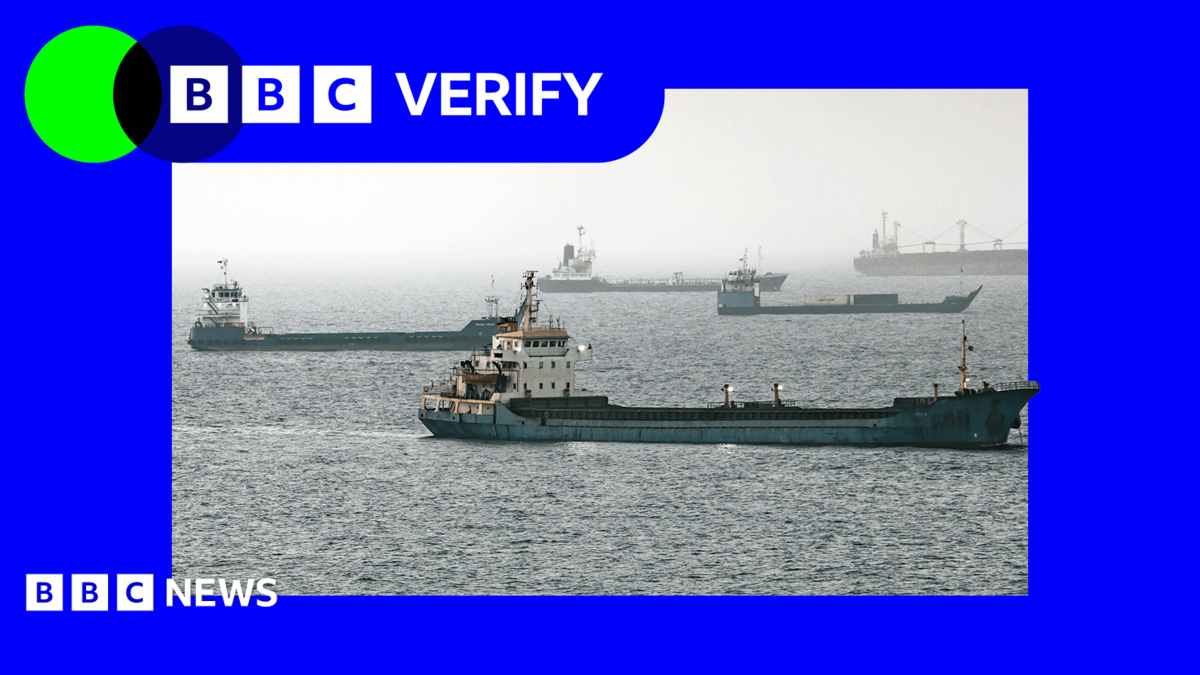
According to Clarksons Research, sanctioned tankers are dominating the 2026 ship recycling market, with 22 sanctioned vessels making up 58% of all reported tanker demolition sales so far this year — even as strong freight conditions keep overall scrapping activity near historic lows.
Sanctioned vessels dominate tanker scrapping
Clarksons Research reported that 26 sanctioned vessels totalling 2.1 million dwt (deadweight tonnes) have been sold for recycling in the first eight months of 2026. Of those, 22 are tankers with a combined capacity of 1.8 million dwt. Those 22 tankers account for 58% of all reported tanker demolition sales this year. The figures underline how sanctions enforcement is beginning to reshape the scrapping market, with ageing shadow fleet tonnage increasingly being removed from circulation rather than simply changing flags, owners or trading patterns.
Overall demolition remains subdued
Across shipping more broadly, demolition remains exceptionally subdued. Clarksons data shows just 6.4 million dwt has been sold for recycling so far this year, broadly in line with the historically low levels seen between 2022 and 2025 and 14% below the pace recorded last year. Tanker demolition has totalled 2.7 million dwt, while bulker recycling stands at 2.1 million dwt, down 34% year-on-year. Containership demolition remains negligible at around 25,000 teu (twenty-foot equivalent units), albeit above last year's exceptionally low 5,300 teu. A steady trickle of older steam turbine LNG carriers is also heading to the breakers, with six units sold so far this year.
| Segment | 2026 recycling volume so far | Year-on-year change |
|---|---|---|
| All shipping | 6.4m dwt | 14% below last year's pace |
| Tankers | 2.7m dwt | n/a |
| Bulk carriers | 2.1m dwt | Down 34% |
| Containerships | ~25,000 teu | Up from 5,300 teu in 2025 |
| Sanctioned tankers | 22 vessels / 1.8m dwt | 58% of tanker sales |
| Sanctioned vessels (all types) | 26 vessels / 2.1m dwt | n/a |
Policy push to scrap the shadow fleet
The sanctioned tanker trend fits with a broader push by western governments to permanently remove blacklisted tonnage, according to Splash247. Splash247 reported last week that the US has begun steering seized sanctions-busting tankers towards demolition, with GMS receiving Treasury licences to recycle four sanctioned ships.
GMS has argued that a workable licensing regime could remove more than 100 shadow fleet vessels annually.
What the scrapping data means for operators
According to Clarksons Research, demolition activity across shipping is broadly in line with the historically low levels observed between 2022 and 2025. That means the active commercial fleet remains largely intact despite the uptick in sanctioned vessel recycling. The 58% share of sanctioned tankers in reported tanker demolition sales highlights a structural shift: the tonnage being scrapped is increasingly coming from the shadow fleet rather than from mainstream commercial owners. For freight forwarders, tanker operators and port authorities tracking fleet supply, each sanctioned tanker sent to the breakers is a vessel permanently removed from circulation, reducing the pool of ships available for trades that operate outside normal compliance frameworks.
Sources: