iGEN
Visit IGEN World Explore IGEN Expo
EXPLORE UPGRADE PLANS
BREAKING
New Senate bill targets 'chameleon carriers' that reopen to escape penalties Werner Enterprises Posts Highest Revenue Per Truck Growth in One-Way Segment in a Decade CMA CGM and Stonepeak Launch United Ports LLC in $2.4 Billion Terminal Joint Venture UPS shift away from Amazon shows bigger payoff Lanesurf: 62% of Loads Get Vetted Carrier Offers Before Brokers Arrive India-China Border Trade Via Lipulekh Resumes Aug 1; China Permits 20 Traders Geopolitics Drives CMA CGM Q2 Profit Surge of 42% as Volumes and Rates Climb Benchmark Diesel Price Rises Third Week as Futures Plunge; Spread Hits Record Indian Government Limits Sugar Dealers to 400 Tonnes Stock Until November to Curb Hoarding Tenants signing longer leases for larger warehouses as 3PLs lock in capacity New Senate bill targets 'chameleon carriers' that reopen to escape penalties Werner Enterprises Posts Highest Revenue Per Truck Growth in One-Way Segment in a Decade CMA CGM and Stonepeak Launch United Ports LLC in $2.4 Billion Terminal Joint Venture UPS shift away from Amazon shows bigger payoff Lanesurf: 62% of Loads Get Vetted Carrier Offers Before Brokers Arrive India-China Border Trade Via Lipulekh Resumes Aug 1; China Permits 20 Traders Geopolitics Drives CMA CGM Q2 Profit Surge of 42% as Volumes and Rates Climb Benchmark Diesel Price Rises Third Week as Futures Plunge; Spread Hits Record Indian Government Limits Sugar Dealers to 400 Tonnes Stock Until November to Curb Hoarding Tenants signing longer leases for larger warehouses as 3PLs lock in capacity
Home ›› Logistics ›› Shipping Freight ›› Tankers Lng ›› Strait of Hormuz Ship Traffic Plunges After US-Iran Strikes on Tankers

Strait of Hormuz Ship Traffic Plunges After US-Iran Strikes on Tankers

Traffic through the Strait of Hormuz fell steeply to 23 ships on Wednesday 8 July, down from 47 a week earlier, after attacks on three tankers and renewed US-Iran strikes. The drop follows a fragile peace deal signed 17 June that had temporarily boosted crossings to 72 ships. Iran insists only its approved northern route is safe, while the US recommends a southern Omani corridor. Logistics operators face heightened risk, potential delays, and rerouting decisions.

iG
iGEN Editorial
July 10, 2026
Strait of Hormuz Ship Traffic Plunges After US-Iran Strikes on Tankers

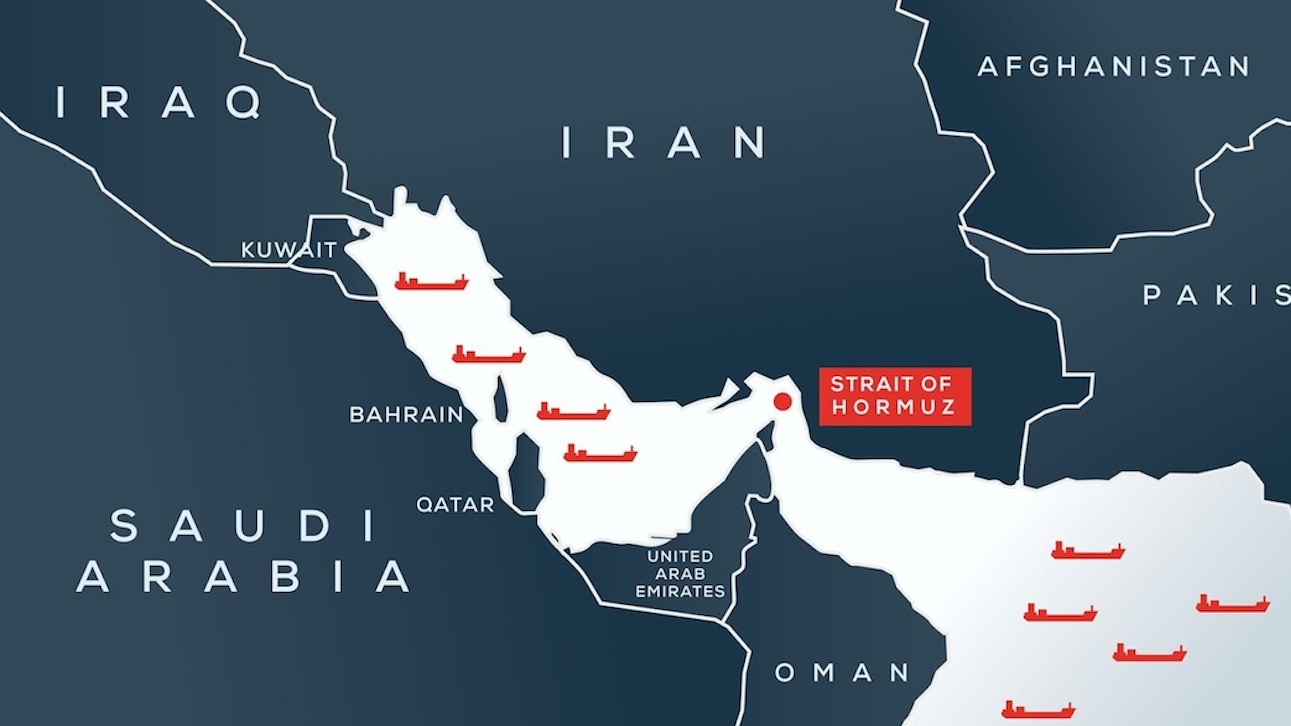
Traffic through the Strait of Hormuz has fallen steeply after a series of tit-for-tat strikes by the US and Iran following an attack on three tankers, according to maritime intelligence firm Kpler and the Joint Maritime Information Center (JMIC). Just 23 tankers and cargo ships crossed the critical Gulf waterway on Wednesday, down from 47 a week before, and far below the pre-conflict average of 138 ships per day reported by JMIC.

Timeline of Disruptions

The current crisis began after the US and Israel launched first strikes on Iran on 28 February, causing traffic to fall to a handful of ships per day. Iran effectively closed the strait by attacking ships and laying mines; the US responded with a blockade on all shipping to and from Iranian ports. A deal to end the war was signed on 17 June, including steps to reopen the strait and a US agreement to lift its naval blockade and ease sanctions on Iranian oil exports.

Following the agreement, overall traffic increased to a peak of 72 ships on 24 June, but then declined after two ships in Omani waters were struck on 25 and 27 June. President Donald Trump accused Iran of a "foolish violation" of the truce, and the US military conducted strikes on Iranian targets. Iran accused the US of violating the interim deal and said it struck targets linked to American forces.

The Latest Attacks

Three ships were attacked this week while using the US-recommended route through Omani waters: a Qatar-owned liquefied natural gas (LNG) tanker, a Saudi-owned crude oil tanker, and a Liberia-flagged crude tanker. All three were crossing the strait close to the Omani route. Iran's top military command, Khatam al-Anbiya Central Headquarters, reiterated: "The only safe route for the passage of commercial ships and oil tankers in the strait is the route determined by the Islamic Republic of Iran."

After the 17 June deal, the JMIC recommended ships take a different route through Omani waters in the south. The number using the Omani route grew to a peak of 28 vessels on 25 June, overtaking the Iranian route. Then attacks on 25 and 27 June in Omani waters caused traffic to slump, and the latest attacks have further reduced crossings.

Traffic Data

Date Total Ships Crossing Strait Ships via Omani Route Ships via Iranian Route
Pre-conflict average 138 (JMIC)
17 June (deal signed)
24 June (peak) 72
25 June 28 (Kpler)
1 July (week before latest) 47 (Kpler)
8 July (latest) 23 (Kpler)

Source: Kpler and JMIC data as reported by BBC.

Implications for Shippers and Operators

The dramatic drop in traffic through the Strait of Hormuz directly affects global supply chains for oil, LNG, and fertiliser—more than a fifth of the world's oil and gas supplies flow through this chokepoint. Operators of tankers and cargo ships face a difficult choice: risk the US-recommended Omani route, which has been targeted, or follow Iran's northern route, which Iran claims is safe but US allies consider a violation of free passage.

Shippers should expect significantly longer transit times, possible diversions around the Arabian Peninsula (via the Cape of Good Hope or Bab el-Mandeb), and soaring war risk insurance premiums. All three attacked vessels were tankers, but cargo ships carrying containerised goods or dry bulk are also exposed. Freight forwarders and logistics managers must monitor JMIC advisories and consult with marine insurers before scheduling transits.

"The only safe route for the passage of commercial ships and oil tankers in the strait is the route determined by the Islamic Republic of Iran." – Iran's Khatam al-Anbiya Central Headquarters

Watch List

  • Diplomatic efforts to enforce the 17 June deal and establish a universally recognised safe passage corridor.
  • Further strikes or mine-clearing operations by US or Iranian forces.
  • Changes in war risk insurance premiums and availability for vessels transiting the strait.
  • Potential rerouting of LNG and oil cargoes, affecting spot rates and supply to European and Asian markets.

Sources: BBC-Business

Keep Reading

Recommended Stories

Hormuz Hotline Opens Between US and Iran but Strait Remains Closed to Shipping Logistics

Hormuz Hotline Opens Between US and Iran but Strait Remains Closed to Shipping

Qatar and Pakistan announced a direct US-Iran communication channel for the Strait of Hormuz following talks in Switzerland, but Iran's Fars News Agency reported the strait remains closed. HSBC cautioned shipping normalisation will lag, while BRS described the situation as a false start after a brief rise in traffic.

June 23, 2026
Geopolitics Drives CMA CGM Q2 Profit Surge of 42% as Volumes and Rates Climb Logistics

Geopolitics Drives CMA CGM Q2 Profit Surge of 42% as Volumes and Rates Climb

CMA CGM posted a 42.4% increase in second-quarter EBITDA to $2.26 billion, with maritime volumes rising 6% to 6.3 million TEUs. The carrier attributed the results to geopolitical instability, sustained freight rates, and network adjustments, including new services like the Mekong Transpacific Express.

July 28, 2026
Asyad Brings Omani Investors Into LNG Carrier Pair, Retains Majority Control Logistics

Asyad Brings Omani Investors Into LNG Carrier Pair, Retains Majority Control

Asyad Shipping has sold 20% stakes in the companies owning two new LNG carriers – Muscat LNG and Musandam LNG – to Omani investors. Oman LNG Development Foundation Investment Fund and Mars Development and Investment each acquired 10%, while Asyad retains 80% and operational control. The 174,000 cbm vessels were built by HD Hyundai Samho and are on long-term charter to Oman LNG.

July 27, 2026
Strait of Hormuz Crisis Worsens as Containership Attack, Azov Drone Strikes Disrupt Trade Routes Logistics

Strait of Hormuz Crisis Worsens as Containership Attack, Azov Drone Strikes Disrupt Trade Routes

The Strait of Hormuz crisis escalates with a Global Feeder Shipping containership attacked and traffic at five-week low. Ukraine’s drone campaign hits 116 vessels in nine days, suspending Azov-Don canal and Kerch Strait traffic. Sea Legend Shipping plans weekly Northern Sea Route container service; South Korea probes four container manufacturers for price-fixing.

July 17, 2026