Operational impact: Shipping through the Sea of Azov has been suspended after Ukrainian drone strikes hit 28 Russia-linked vessels on July 11 and 14 more on July 12, forcing Moscow to halt traffic on the Don-Azov canal and effectively closing the Kerch Strait to Russian shadow fleet vessels, according to Splash247.
Why this happened
Ukraine's Unmanned Systems Forces (USF) intensified drone attacks against Russia's maritime logistics as part of a broader campaign to isolate Crimea and disrupt fuel flows. USF chief Robert Brovdi stated on social media that units hit 10 tankers and four ferries overnight on Sunday (July 11-12), alongside strikes on a major oil refinery at Syzran and electricity substations in occupied Crimea. Brovdi declared: “The technological humiliation of the empire continues. It will fall because of Crimea,” adding that Russia’s shadow fleet was “noticeably shrinking” and could no longer use the Kerch Strait, which connects the Sea of Azov with the Black Sea.
Routes and infrastructure affected
The Sea of Azov is a critical maritime corridor for Russia, used to move oil products, grain, steel, and military supplies through occupied ports including Berdyansk and Mariupol. The Don-Azov canal links the Sea of Azov with Russia’s inland river network and the Caspian Sea. Its suspension – confirmed on Friday by Reuters – is a significant blow to Moscow’s export options and military logistics, Splash247 reported. Andriy Zagorodnyuk, Ukraine’s former defence minister, said Moscow had lost control of a “critical” corridor. Without access through Kerch and the Bosphorus, he argued, the Caspian Sea had effectively become a lake for Russian exports.
Scale of the strikes
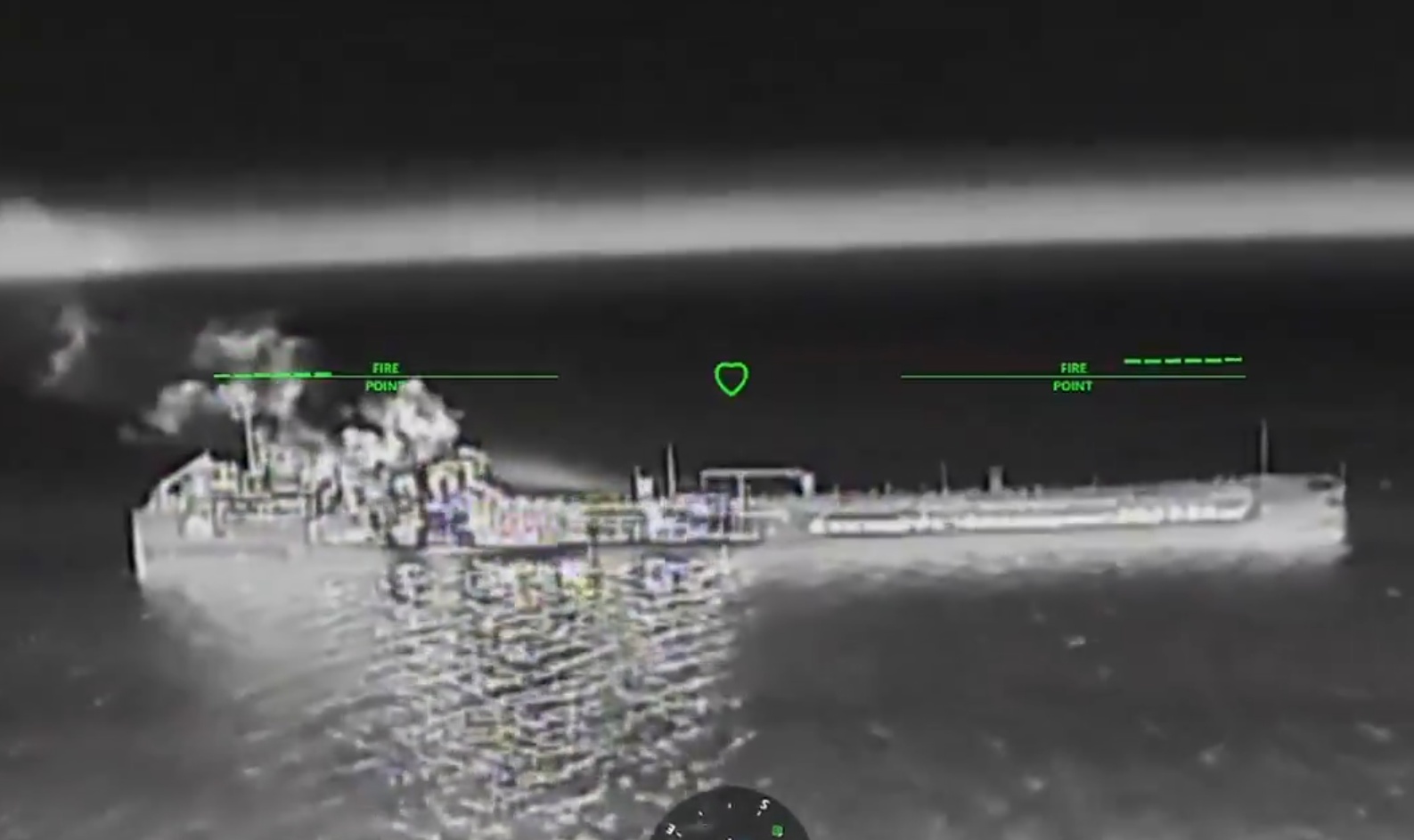
Ukraine’s USF said its operators hit 28 ships on July 11, including 21 tankers, four tugs, and two cargo ships, followed by 14 more vessel strikes overnight on July 12. Taken with recent attacks, Kyiv claims 90 Russia-linked ships have been targeted in a week. Videos released by Ukrainian forces show night-time drone approaches against tankers and ferries, many apparently at anchor or alongside. Some vessels appear fitted with protective cages and ropes, but these measures have not prevented strikes. Ukrainian operators are targeting deckhouses, approaching from ahead or astern.
| Date | Vessels hit | Breakdown |
|---|---|---|
| July 11 | 28 | 21 tankers, 4 tugs, 2 cargo ships |
| July 12 | 14 | Additional strikes (tankers/ferries) |
| Total (week) | 90 | Cumulative claimed by Kyiv |
Implications for shippers and operators
Ocean freight on the Sea of Azov is effectively blocked. Vessels carrying** oil products, grain, and steel** from Berdyansk and Mariupol – key export hubs for Russia and occupied Ukraine – can no longer transit. The closure of the Kerch Strait and Don-Azov canal forces those cargoes to seek alternative routes, likely via the Black Sea from Russian ports such as Novorossiysk or Taman, adding transit time and cost. Sanctions compliance becomes more complex as the shadow fleet used to bypass restrictions is directly targeted; USF stated that “strikes against tankers and ferries that support the operation of Russia’s shadow fleet complicate the use of vessels to bypass international sanctions.” Operators with vessels in the region must assess war risk insurance, crew safety, and rerouting options. Grain shippers face delays as the Sea of Azov route is also used to move grain taken from occupied Ukrainian territory. Military logistics for Russian forces in southern Ukraine are disrupted, potentially affecting sustainment operations.
Watch list
- Further drone attacks: Ukraine’s USF shows no sign of stopping; additional strikes on vessels and infrastructure are likely, expanding the exclusion zone.
- Russian retaliation: Moscow has been targeting Ukrainian maritime infrastructure on the Black Sea over the weekend, with ports and vessels hit – escalation could widen the conflict zone.
- Insurance and freight rates: The Azov closure may push up war risk premiums and spot rates on alternative Black Sea routes as capacity tightens.
- Grain corridor stability: Any spillover from Azov disruption to the Black Sea Grain Initiative could affect global food supply chains.
Sources: