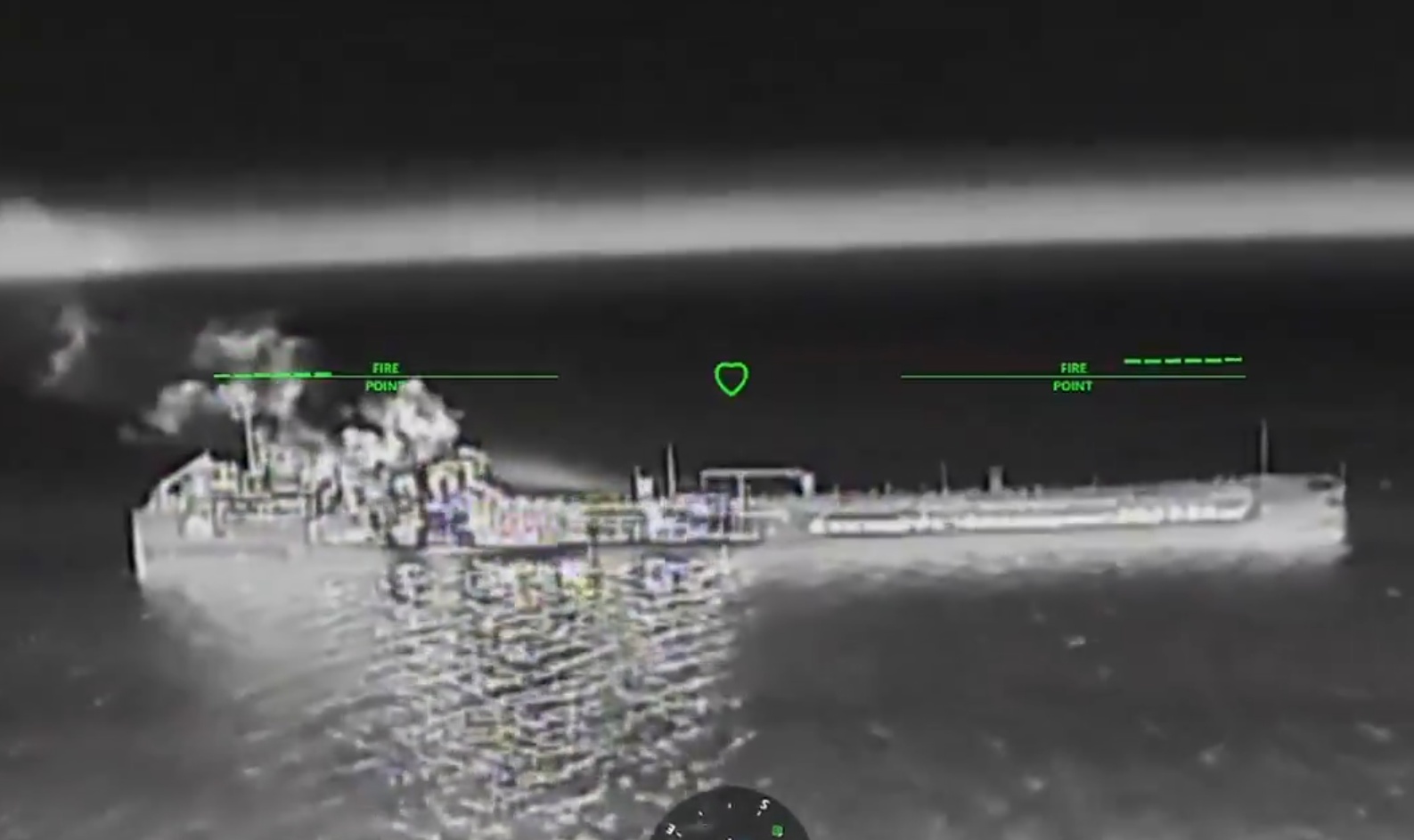
One of the most concentrated series of attacks on merchant shipping in modern history is unfolding in the Sea of Azov, with Ukraine striking 116 Russian vessels in nine days — a pace that surpasses the Iran-Iraq tanker war of the 1980s, according to maritime security firm Ambrey.
Campaign Overview
The blitz began on July 6, 2026, according to Splash247. On the night of Tuesday, July 14, 11 more Russian ships were hit: five tankers, five cargo ships, and a tugboat, the Unmanned Systems Forces reported. The nine-day tally of 116 vessels has already exceeded the pace of the Iran-Iraq tanker war, which saw more than 450 attacks spread over seven years, per Ambrey data. Robert Brovdi, who commands Ukraine's drone branch, said his forces "are working intensively to destroy Russia's shadow fleet in the Sea of Azov."
Impact on Shipping Lanes and Ports
Commercial vessels are now unable to transit the Kerch Strait or the Azov-Don channel, Splash247 reported. Russia's agriculture ministry conceded on Tuesday that grain shipments would be redirected to Black Sea and Baltic terminals if necessary. Around a quarter of Russia's grain exports — the world's largest wheat trade — normally move through Azov ports such as Mariupol and Berdyansk, a route Kyiv accuses Moscow of using to ship grain stolen from occupied territories.
Attack Pace Comparison
| Metric | Ukraine Azov Campaign (9 days) | Iran-Iraq Tanker War (7 years) |
|---|---|---|
| Ships hit | 116 | 450+ |
| Ships hit per day | ~12.9 | ~0.18 |
Source: Ambrey via Splash247
Seafarer Casualties and Safety Concerns
Moscow's response has been deadly. Russian drones and shells hit four ships in Odesa port and the Black Sea on July 13–14, Ukrainian officials said, killing eight seafarers and injuring ten. Among the vessels was a Togo-flagged bulk carrier that caught fire while discharging fertiliser minerals; Ambrey reported three of its crew killed and four seriously injured. The attacks underscore the extreme risk to seafarers operating in the region.
Grain Export Disruption
The campaign directly threatens a key trade lane. With Kerch Strait and Azov-Don channel effectively closed to commercial traffic, Russia is already planning diversions. The redirect of grain shipments to Black Sea and Baltic terminals could strain capacity and increase transportation costs, though no specific rate changes have been reported in the source.
Industry and Regulatory Response
Arsenio Dominguez, secretary-general of the International Maritime Organization (IMO), condemned the Azov attacks on Monday, warning that "such acts endanger seafarers, threaten the safety of navigation, disrupt global supply chains and undermine the principles upon which international shipping depends." Russian foreign minister Sergei Lavrov branded the campaign "worse than piracy," calling it "terrorism, pure and simple." A Ukrainian military source countered that the armed forces strike only military targets or those strengthening Russia's combat capability: "Civilian cargoes are not among them."
Operational Implications for Logistics Operators
- Route diversions: Vessels booked to call at Azov ports (Mariupol, Berdyansk) must reroute to Black Sea or Baltic terminals, adding transit time and cost.
- Insurance premiums: War risk premiums for the Black Sea and Azov Sea are likely to rise sharply, though source does not provide specific numbers.
- Crew safety: Operators must ensure robust security protocols and contingency plans for seafarer evacuation.
- Grain supply chain: Shippers of Russian grain should expect delays and explore alternative sourcing or routing via Novorossiysk or Baltic ports.
Watch List
- Further escalation in drone and missile strikes on commercial shipping in the Black Sea and Sea of Azov.
- IMO member states may initiate new resolutions or safety measures for the region.
- Russia's ability to maintain fuel and logistics supplies to occupied territories in Crimea.
- Any change in the volume of grain transiting Azov versus Black Sea ports.
Sources: