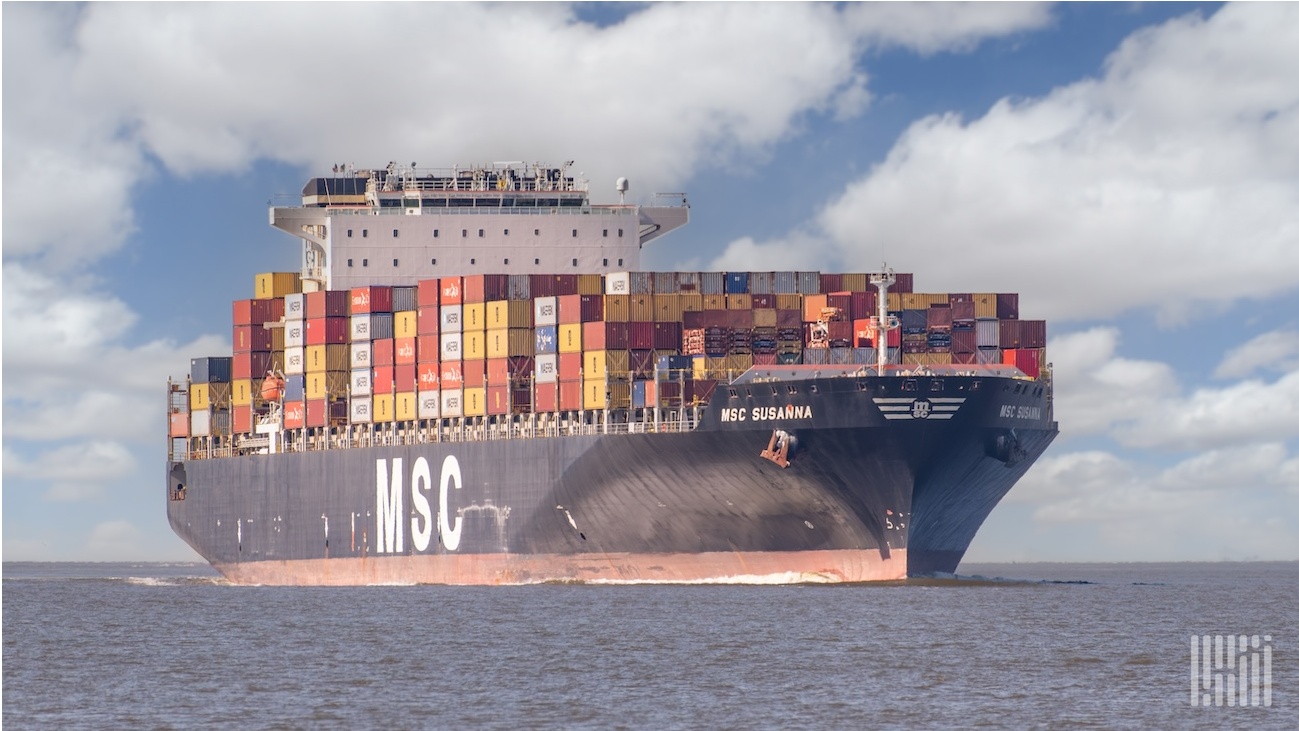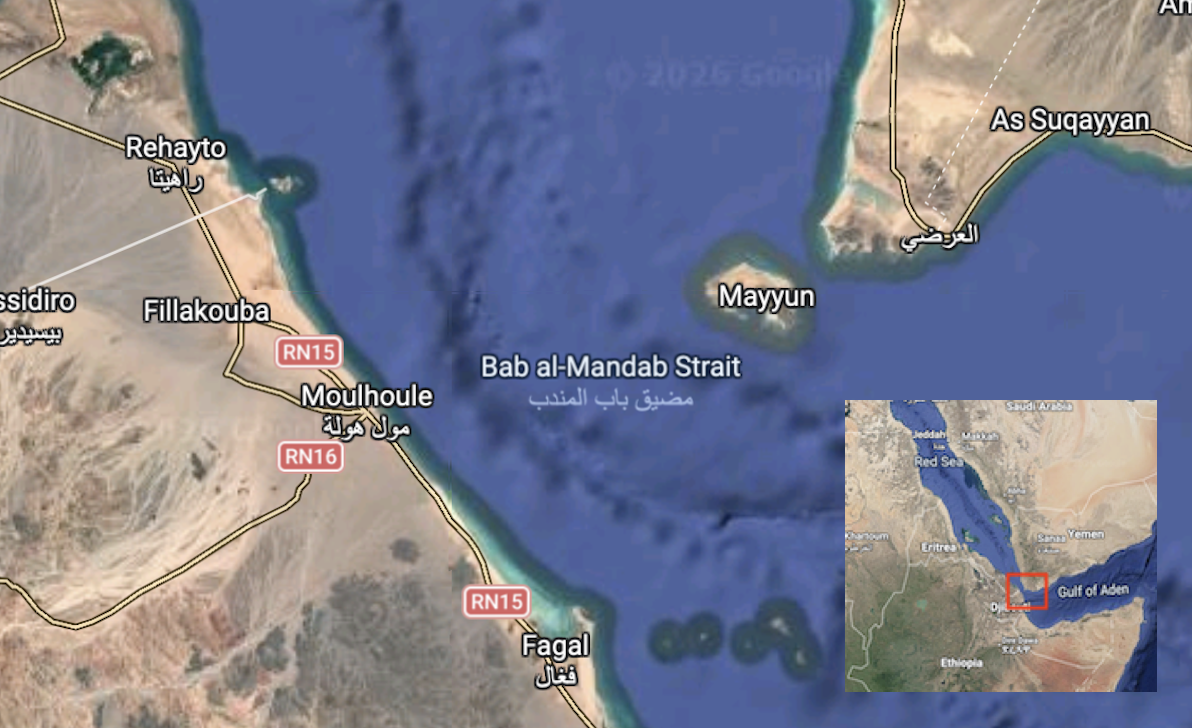
Houthi rebels in Yemen declared a naval blockade of Saudi Arabia at the Bab al-Mandab Strait, threatening to disrupt what had been a tentative return of container services through the Red Sea and Suez Canal.
Operational impact
The blockade, announced on Monday via social media, targets the Bab al-Mandab Strait at the southern end of the Red Sea, a chokepoint for container ships and tankers. According to FreightWaves, the Houthis tied the action to what they called a "Saudi siege" and warned of escalation if Riyadh retaliates. This raises the risk of wider disruption in the Red Sea and nearby shipping lanes, especially because Saudi Arabia is a major energy exporter and maritime traffic through the region is strategically important.
Context and escalation
The new blockade follows a period of relative calm. FreightWaves reported that Houthi terror attacks on merchant shipping in support of Gaza all but shut down the Suez Canal-Red Sea route to global container lines starting in late 2023. Major carriers detoured on longer, more expensive voyages around Africa. Only recently had carriers announced a return of scheduled services to the key shipping lane connecting Asia with the Mediterranean, Europe and North America. Houthi actions against shipping waned in 2025 as key sponsor Iran was overwhelmed by its own domestic issues.
Now, the Houthis have reasserted pressure. In their social media statement, they said the maritime embargo was a response to an "unjust and oppressive siege" and that they were ready for "all options," with further mobilization urged. They also warned that any Saudi "foolish act" would be met with a "comprehensive and decisive" response, according to FreightWaves.
Affected lanes and trade flows
At immediate risk is the Bab al-Mandab Strait, through which a significant portion of global containerized and energy cargo transits. The Red Sea and Suez Canal route is a critical artery for Asia-to-Europe trade. If carriers again divert around the Cape of Good Hope, transit times and costs would rise. Saudi Arabia's energy exports — crude oil, refined products, and petrochemicals — face direct exposure. The move fits a pattern of Houthi threats and retaliatory messaging after recent strikes and escalation, FreightWaves noted.
Shipper and operator implications
Operators that had resumed Red Sea services may need to reassess routing. Freight forwarders and logistics managers should prepare for possible diversions, extended lead times, and increased freight rates on Asia-Europe and intra-Asia lanes. The situation remains fluid: the political and military threat to Saudi-linked maritime traffic is being seen as an escalation signal aimed at pressuring Riyadh and shaping regional behavior, according to FreightWaves.
Watch list
- Saudi Arabia's response to the Houthi blockade; any retaliation could trigger further escalation.
- Carrier announcements regarding Red Sea service resumption or suspension.
- Military developments in Yemen and the broader Middle East, including potential involvement of other states.
- Impact on energy markets and tanker rates as Saudi exports face disruption risk.
Sources: