iGEN
Visit IGEN World Explore IGEN Expo
EXPLORE UPGRADE PLANS
BREAKING
CMA CGM and Stonepeak Launch United Ports LLC in $2.4 Billion Terminal Joint Venture UPS shift away from Amazon shows bigger payoff Lanesurf: 62% of Loads Get Vetted Carrier Offers Before Brokers Arrive India-China Border Trade Via Lipulekh Resumes Aug 1; China Permits 20 Traders Geopolitics Drives CMA CGM Q2 Profit Surge of 42% as Volumes and Rates Climb Benchmark Diesel Price Rises Third Week as Futures Plunge; Spread Hits Record Indian Government Limits Sugar Dealers to 400 Tonnes Stock Until November to Curb Hoarding Tenants signing longer leases for larger warehouses as 3PLs lock in capacity US stock market flat as S&P 500 and Dow barely move, Nasdaq slides over 1% on chip rout TruAlt Bioenergy Q1 Net Zooms to ₹59.27 Crore on Higher Revenues, Capacity Expansion CMA CGM and Stonepeak Launch United Ports LLC in $2.4 Billion Terminal Joint Venture UPS shift away from Amazon shows bigger payoff Lanesurf: 62% of Loads Get Vetted Carrier Offers Before Brokers Arrive India-China Border Trade Via Lipulekh Resumes Aug 1; China Permits 20 Traders Geopolitics Drives CMA CGM Q2 Profit Surge of 42% as Volumes and Rates Climb Benchmark Diesel Price Rises Third Week as Futures Plunge; Spread Hits Record Indian Government Limits Sugar Dealers to 400 Tonnes Stock Until November to Curb Hoarding Tenants signing longer leases for larger warehouses as 3PLs lock in capacity US stock market flat as S&P 500 and Dow barely move, Nasdaq slides over 1% on chip rout TruAlt Bioenergy Q1 Net Zooms to ₹59.27 Crore on Higher Revenues, Capacity Expansion
Home ›› Manufacturing ›› Mfg Automotive ›› Delhi EV Policy 2026 Poses Big Risk for Automakers If Other States Follow, Warns Morgan Stanley Report

Delhi EV Policy 2026 Poses Big Risk for Automakers If Other States Follow, Warns Morgan Stanley Report

Morgan Stanley warns that Delhi's newly notified EV Policy 2026, while having modest immediate impact due to Delhi's small sales share, could become a dangerous template for other states. The policy bans new ICE vehicle registrations in select segments by 2027-2028 and offers substantial incentives. Automakers with strong EV portfolios are better positioned, but the industry may resist wider adoption.

iG
iGEN Editorial
July 3, 2026
Delhi EV Policy 2026 Poses Big Risk for Automakers If Other States Follow, Warns Morgan Stanley Report

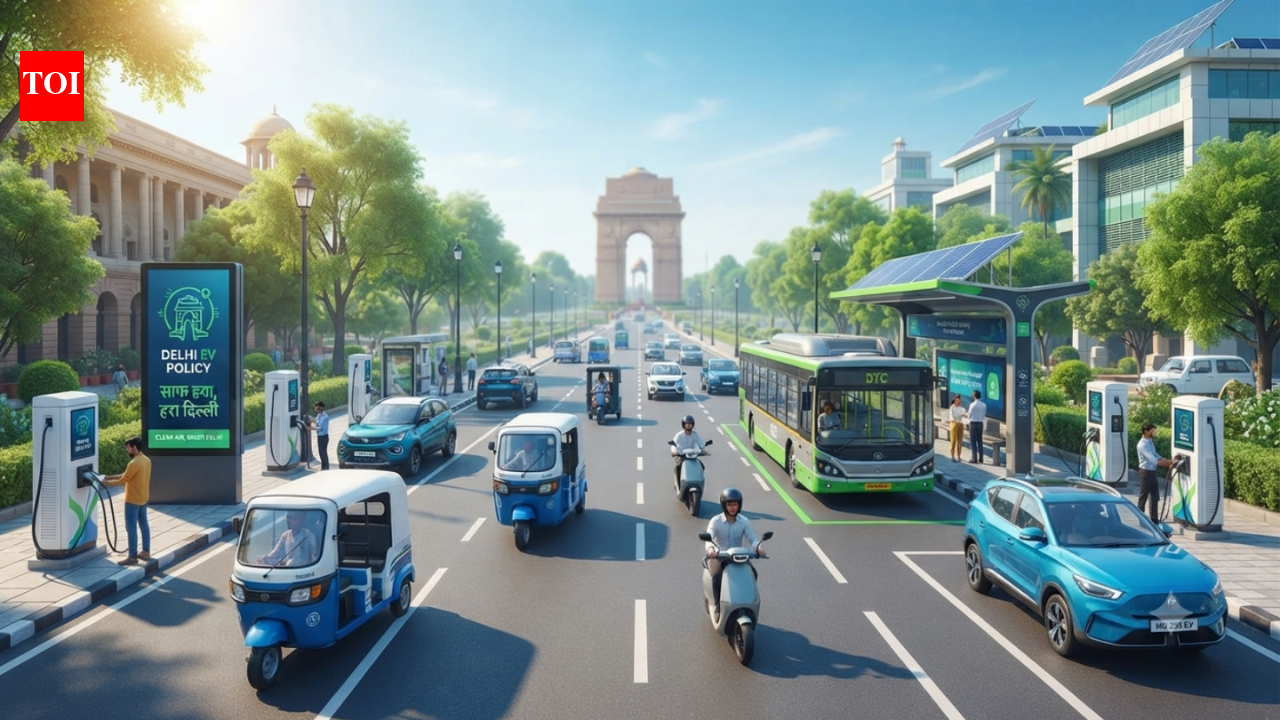
Delhi's newly notified Electric Vehicle (EV) Policy 2026, effective July 1, 2026, could accelerate the transition to cleaner mobility but poses a significant risk for automobile manufacturers if similar policies are adopted by other states, according to a Morgan Stanley report.

Policy Timelines and Incentives

The Delhi EV Policy 2026 lays out clear timelines to phase out new registrations of internal combustion engine (ICE) vehicles in select segments, with substantial incentives to encourage electric mobility. According to the Morgan Stanley report, "In a first, policy proposes timelines to ban new ICE 2W, 3W, and sub-3.5-tonne vehicles over time."

Key deadlines include:

  • From January 1, 2027: Only electric three-wheelers and sub-3.5-tonne commercial vehicles will be eligible for fresh registration.
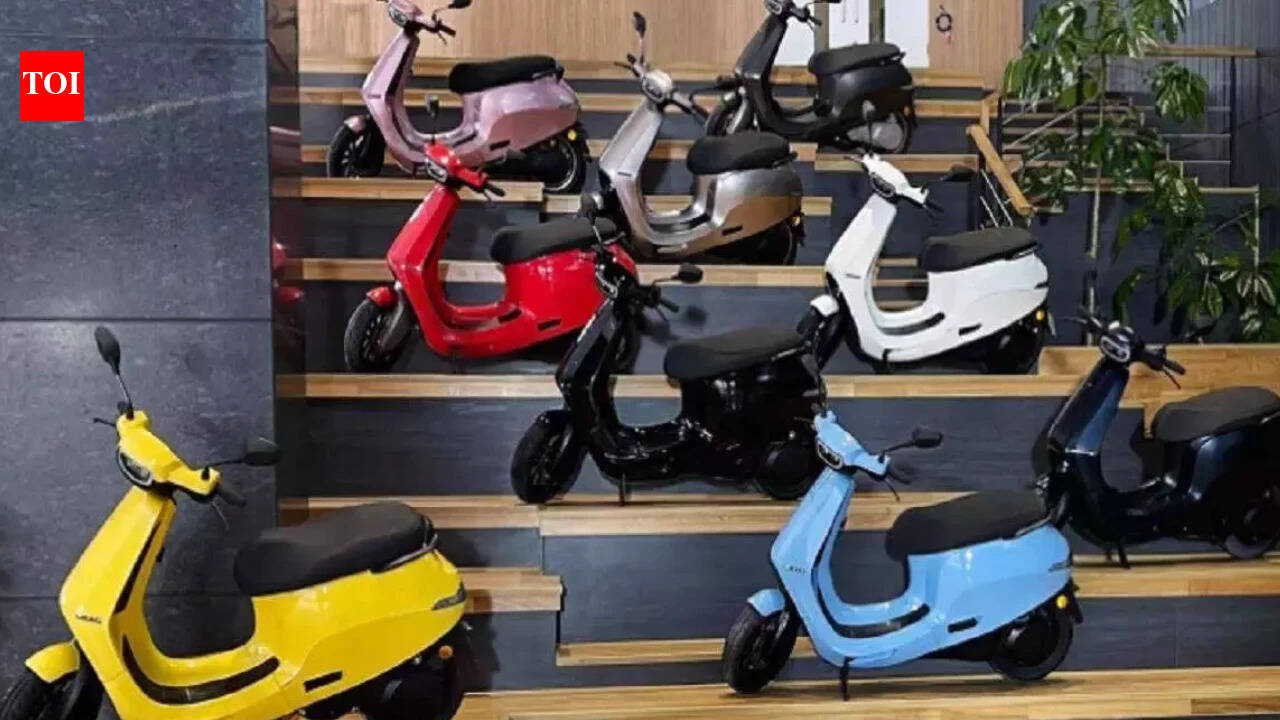
  • From April 1, 2028: Registration of new petrol and CNG two-wheelers will end; only electric two-wheelers will be registered.
  • March 2030: 30% of school bus fleets must be electric.

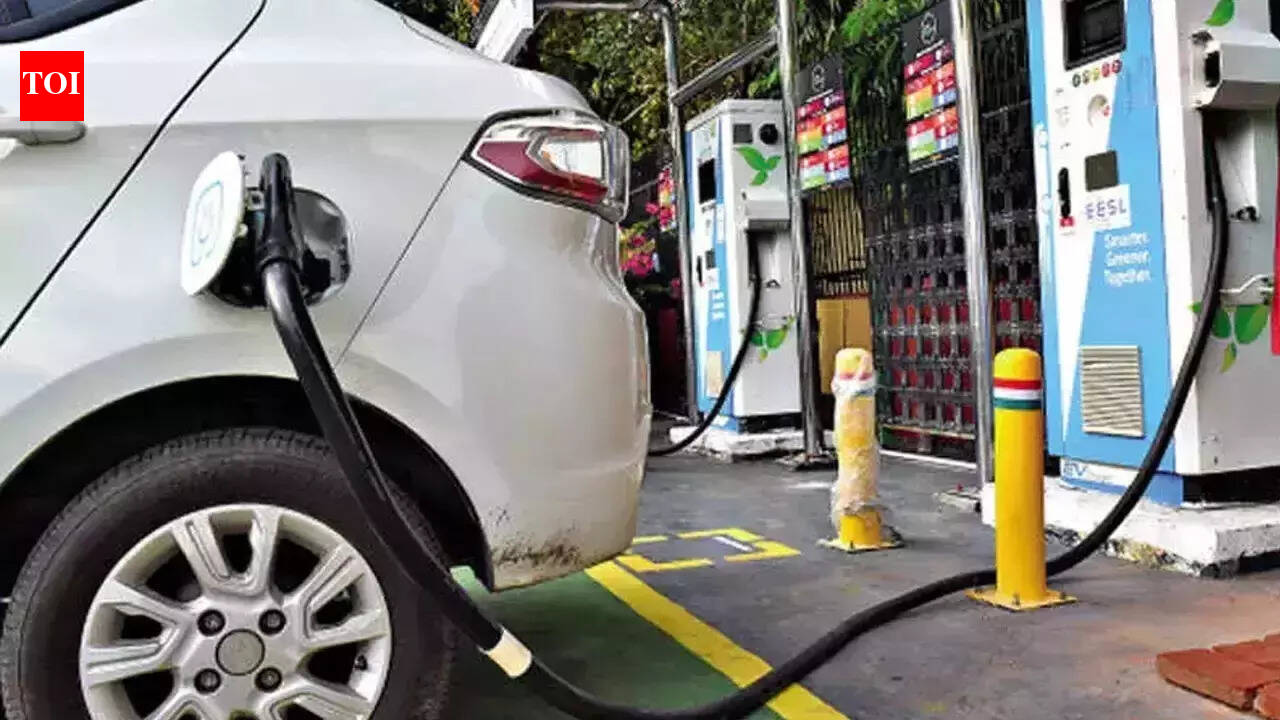
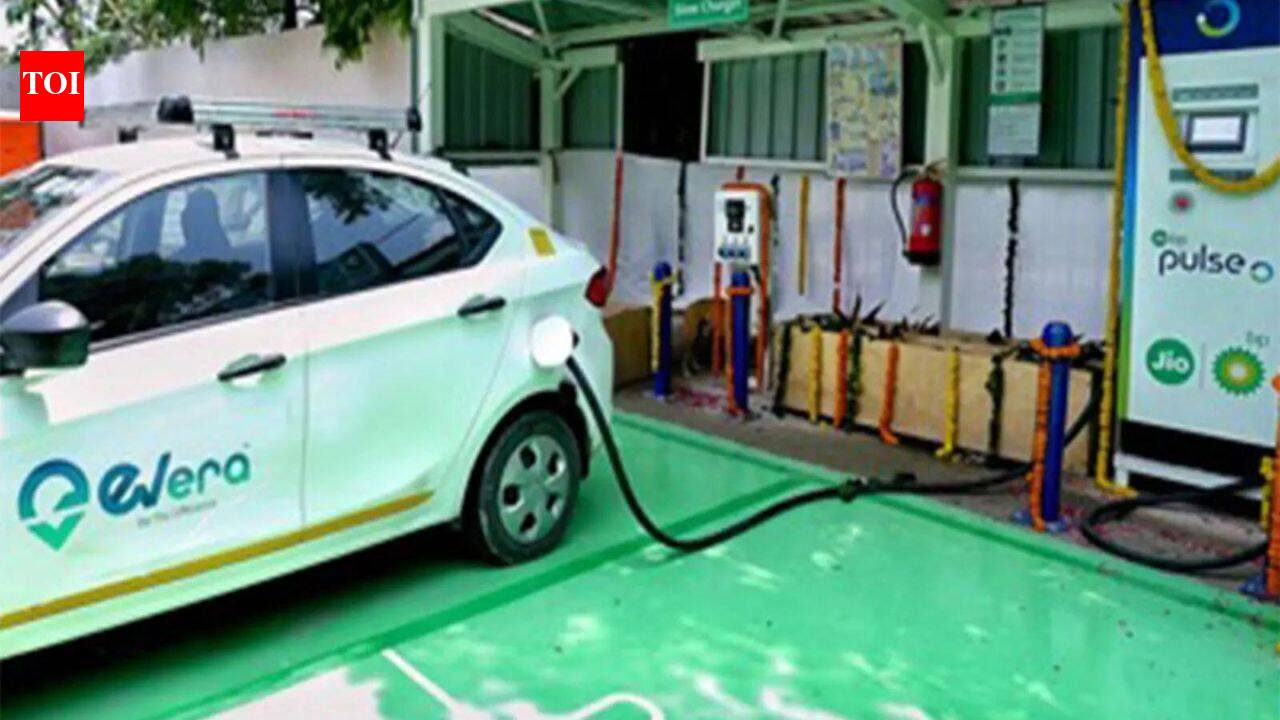
The policy is backed by Rs 70 billion in direct incentives and Rs 80 billion in indirect incentives and infrastructure investments, including plans to install around 32,000 EV charging points across Delhi. Additionally, the Delhi government plans to invest around Rs 15,000 crore over the next four years to promote electric mobility and install more than 30,000 charging points.

Incentive Type Details
Road tax & registration fee exemption Full exemption for electric cars priced up to Rs 30 lakh
E-2W buyer subsidy Rs 30,000 (Year 1), Rs 20,000 (Year 2), Rs 10,000 (Year 3)
E-3W buyer incentive Up to Rs 50,000 in Year 1
Scrapping incentive Rs 1 lakh for replacing Delhi-registered BS-IV or older cars with eligible EVs
Charging infrastructure ~32,000 charging points planned

Industry Impact and Risks

The Morgan Stanley report noted that the immediate financial impact on automakers is likely to be modest because Delhi accounts for only a small portion of their domestic vehicle sales. "Delhi as a percentage of sales is small, and consumers can go to neighbouring states to buy vehicles, so the net adverse impact on OEMs will be modest," the report stated.

However, the report warned that the policy could become a template for other states, potentially creating a much larger industry-wide impact. "The risk is that this policy is followed by other states," it added. Morgan Stanley expects resistance from vehicle manufacturers and dealers, particularly in the motorcycle segment where electric alternatives remain limited. The report cited Chandigarh as an example, where the Union Territory had earlier proposed banning new ICE two-wheelers but later postponed implementation until 2027 following industry concerns.

Automaker Preparedness and Strategies

According to the Morgan Stanley report, companies with established EV portfolios are better placed to offset any impact through their electric offerings. These include Hero MotoCorp, Bajaj Auto, and TVS Motor. For Eicher Motors, the report said the success of its newly launched electric motorcycle has become increasingly important under the evolving regulatory environment.

Morgan Stanley also argued that while reducing air pollution remains a legitimate policy objective, faster scrappage of ageing vehicles across all segments would be a more effective way to curb transport-related emissions. The report further stressed the need to localise battery cell manufacturing to strengthen India's energy security as EV adoption gathers pace.

For manufacturing executives and OEM sourcing teams, the Delhi EV Policy 2026 represents a potential inflection point. While the immediate impact on production volumes is limited due to Delhi's small market share, the risk of policy replication across states could force automakers to accelerate EV transitions, invest in new supply chains, and reassess ICE production capacity timelines. The report's emphasis on localised battery manufacturing also highlights the growing importance of domestic cell production for energy security and cost competitiveness.


Sources: Business-Today
Keep Reading

Recommended Stories

Delhi EV Policy 2026: Rs 15,000 Crore Plan to Boost Electric Mobility and Phase Out Petrol Two-Wheelers Manufacturing

Delhi EV Policy 2026: Rs 15,000 Crore Plan to Boost Electric Mobility and Phase Out Petrol Two-Wheelers

The Delhi government officially notified the Delhi Electric Vehicles Policy 2026, effective July 1, 2026, with a Rs 15,000 crore investment plan, over 30,000 charging points, and full road tax exemption for electric cars priced up to Rs 30 lakh. The policy also phases out registration of petrol two-wheelers from April 1, 2028, and restricts subsidies to battery electric vehicles only.

July 1, 2026
CNG, Hybrid, and EV Sales Hit Record 40% of India's Car Market in June Manufacturing

CNG, Hybrid, and EV Sales Hit Record 40% of India's Car Market in June

In June 2026, alternative-fuel passenger vehicles (CNG, hybrid, EV) reached a record 40.2% share of India's car retail sales, up from 33.3% a year ago. Retail sales hit an all-time June high of 410,853 units, a 28.6% increase. FADA attributed the shift to improved supplies, new model launches, and consumer preference for fuel-efficient powertrains.

July 7, 2026
India Electric Passenger Vehicle Sales May Cross 3 Lakh Units in 2026 Manufacturing

India Electric Passenger Vehicle Sales May Cross 3 Lakh Units in 2026

India's electric passenger vehicle (EPV) sales are expected to exceed 3 lakh units in 2026 for the first time, compared to under 2 lakh in 2025, according to Frost & Sullivan and Crisil. Growth is supported by doubling of model options, improved battery range, and rising fuel prices widening EV total cost of ownership advantage. Vahan data shows registrations nearing 1.5 lakh so far in 2026.

June 29, 2026
Tesla Cuts Model Y Price in India to Boost Demand Manufacturing

Tesla Cuts Model Y Price in India to Boost Demand

Tesla has reduced the price of its Model Y in India by up to Rs 9 lakh, aiming to boost demand in a market where high prices have limited its appeal. The move positions the Model Y closer to mass-market premium vehicles, potentially widening Tesla's customer base.

June 1, 2026