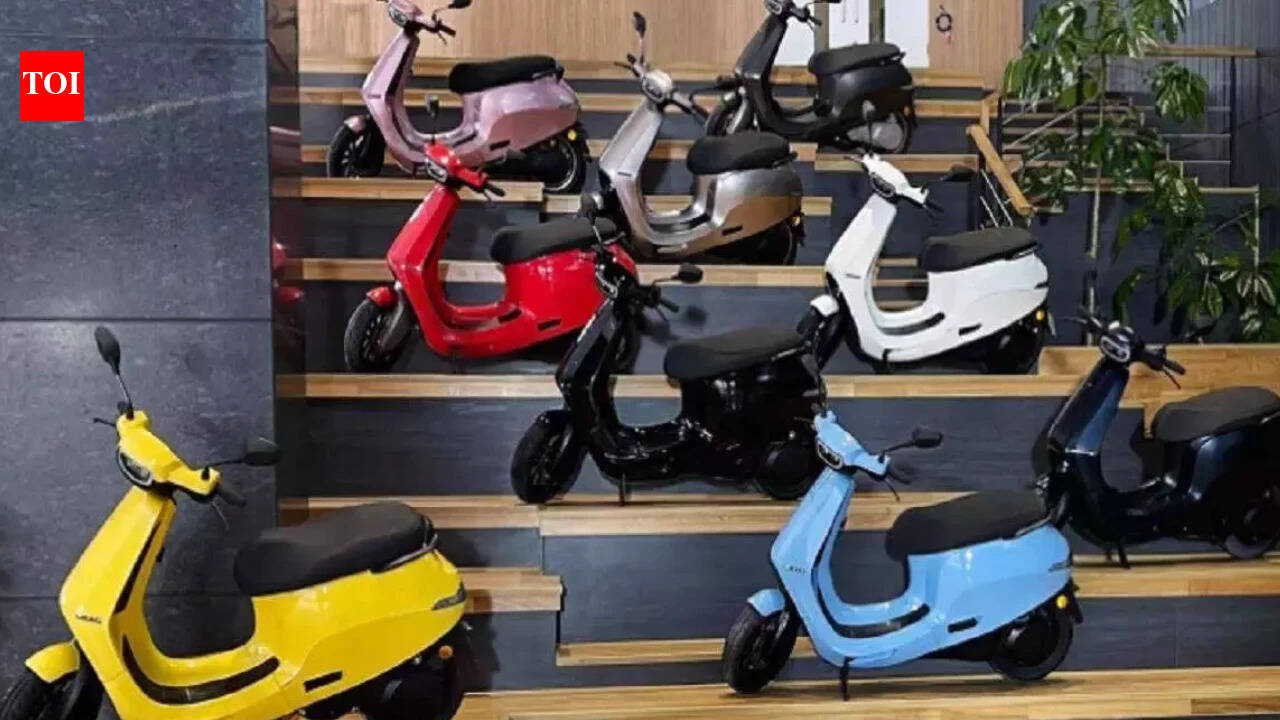
The Indian government has extended incentives for electric two-wheelers under the PM E-DRIVE scheme until March 31, 2028, according to Business-Today. Registered electric two-wheelers will receive an incentive of Rs 2,500 per kWh of battery capacity, capped at Rs 5,000 per vehicle, according to the Ministry of Heavy Industries (MHI). The subsidy is limited to 15% of the vehicle's ex-factory price, whichever is lower. In parallel, the government is developing a financing support mechanism to reduce borrowing costs for electric buses and trucks, with MHI in discussions with banks and vehicle manufacturers.
Subsidy Parameters and Eligibility
According to MHI, the scheme targets support for up to 45.8 lakh electric two-wheelers, with Rs 2,767 crore earmarked for the segment. Vehicles with an ex-factory price of up to Rs 1.5 lakh qualify. The incentive is set at Rs 2,500 per kWh of battery capacity, with a per-vehicle cap of Rs 5,000, and is limited to 15% of the ex-factory price, whichever is lower. The parameters are summarised below:
| Parameter | Detail |
|---|---|
| Incentive rate | Rs 2,500 per kWh |
| Maximum incentive per vehicle | Rs 5,000 |
| Subsidy limit relative to price | 15% of ex-factory price |
| Ex-factory price cap for eligibility | Rs 1.5 lakh |
| Target volume | Up to 45.8 lakh electric two-wheelers |
| Funds earmarked | Rs 2,767 crore |
| Scheme duration | Till March 31, 2028 |
Closing the Electric Truck Financing Gap
The government is discussing with banks and vehicle manufacturers an interest-subvention mechanism and credit guarantee for electric trucks, a Ministry of Heavy Industries official said, according to Business-Today. The mechanism could bridge the roughly 3-4 percentage-point financing-cost gap between electric and diesel trucks. Lenders typically price loans for electric trucks higher because of uncertainty around battery life and resale value, officials said.
Heavy trucks account for only about 3% of vehicles but contribute 42% of vehicular pollution and consume around 60% of diesel, according to MHI's estimate.
Key figures from MHI's truck electrification case:
- Heavy trucks make up about 3% of the vehicle fleet.
- They contribute 42% of vehicular pollution.
- They consume around 60% of diesel.
- A financing-cost gap of 3-4 percentage points currently separates electric and diesel truck loans.
The electrification of heavy trucks is a stated priority, MHI estimates, given their outsized share of pollution and diesel consumption.
Manufacturing Ecosystem and Policy Horizon
The broader PM E-DRIVE scheme has an outlay of Rs 11,900 crore and supports EV purchases, charging infrastructure, and the domestic EV manufacturing ecosystem's development, according to the ministry. For manufacturers, the extension provides a defined subsidy runway for electric two-wheelers through March 31, 2028, under the scheme parameters. The cap structure — Rs 2,500 per kWh, up to Rs 5,000 per vehicle and 15% of ex-factory price — sets the price and battery-size boundaries for qualifying two-wheelers, the ministry said. Vehicles with an ex-factory price above Rs 1.5 lakh will not qualify.
The extended timeline gives OEMs and component suppliers a fixed policy horizon for electric two-wheeler production planning, according to the scheme parameters. Charging infrastructure development, also funded under the broader scheme, is part of the same support framework, MHI said.
Production Timeline
The revised electric two-wheeler incentives remain in force until March 31, 2028, according to MHI. The financing support mechanism for electric buses and trucks — including interest subvention and credit guarantees — is still under discussion with banks and vehicle manufacturers, according to Business-Today. The government has not specified an implementation date for the truck financing measures in the current announcement.
Sources: