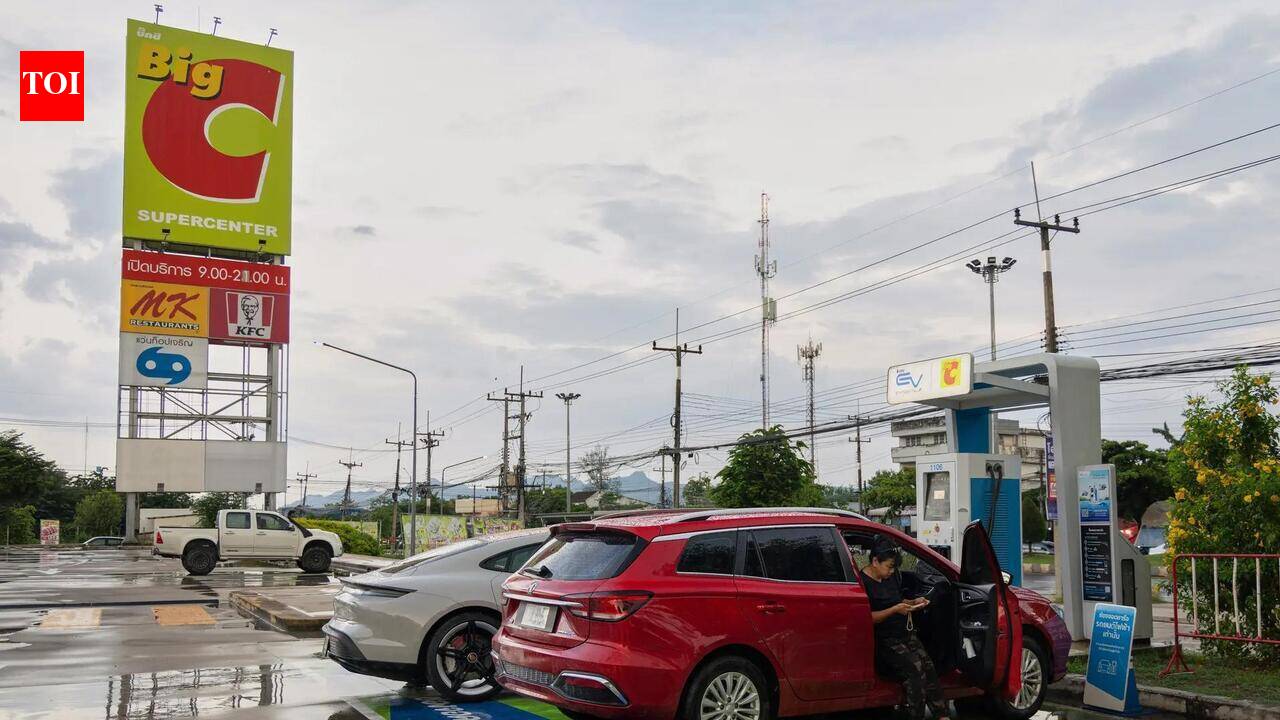
India’s electric passenger vehicle (EPV) market is on track to exceed 3 lakh units in annual sales for the first time in 2026, according to data and forecasts from Frost & Sullivan and Crisil. That would represent a jump from just under 2 lakh units sold in 2025.
The momentum is already visible in registration data from the government’s Vahan portal. So far in 2026, registrations are closing in on the 1.5 lakh mark, and average monthly EPV registrations have risen to around 27,000 units over the past four months, well above last year’s levels. With the second half of the year typically benefiting from festive demand and a slew of new launches, annual EPV sales are expected to cross the 3 lakh-unit mark, according to the report.
Structural Drivers Identified by Crisil
Crisil has pointed out three structural factors driving EPV growth:
- Model proliferation: The number of EPV models has doubled to around 20 over the past two fiscals and is expected to exceed 35 by next fiscal, led by new launches in the sub-₹15 lakh segment.
- Technological advances easing range anxiety: Premium EVs now offer 500–700 km per charge, while mid-range models deliver 300–450 km. Battery warranties have extended to 8–10 years, and ownership models such as Battery-as-a-Service (BaaS) are reducing upfront cost and long-term reliability concerns.
- Rising fuel prices: The West Asia conflict has triggered higher petrol and diesel prices, with the running cost of internal combustion engine vehicles rising 7–8% in May, thereby widening the total cost of ownership (TCO) advantage for EVs.
Frost & Sullivan Optimistic Scenario
Frost & Sullivan projects EPV sales to go past 3 lakh units in 2026 under its optimistic scenario. It also noted that continued fuel price volatility stemming from the US-Iran conflict could further accelerate India’s shift towards electric mobility.
Key Data Points
| Metric | Value |
|---|---|
| 2025 EPV sales (actual) | Just under 2 lakh units |
| 2026 EPV sales forecast (optimistic) | Exceed 3 lakh units |
| EPV registrations so far in 2026 | Near 1.5 lakh |
| Average monthly registrations (last 4 months) | ~27,000 units |
| Models available in 2024 fiscal | ~20 |
| Models expected by next fiscal | >35 |
| Premium EV range per charge | 500–700 km |
| Mid-range EV range per charge | 300–450 km |
| Battery warranty | 8–10 years |
| ICE running cost increase (May 2026) | 7–8% |
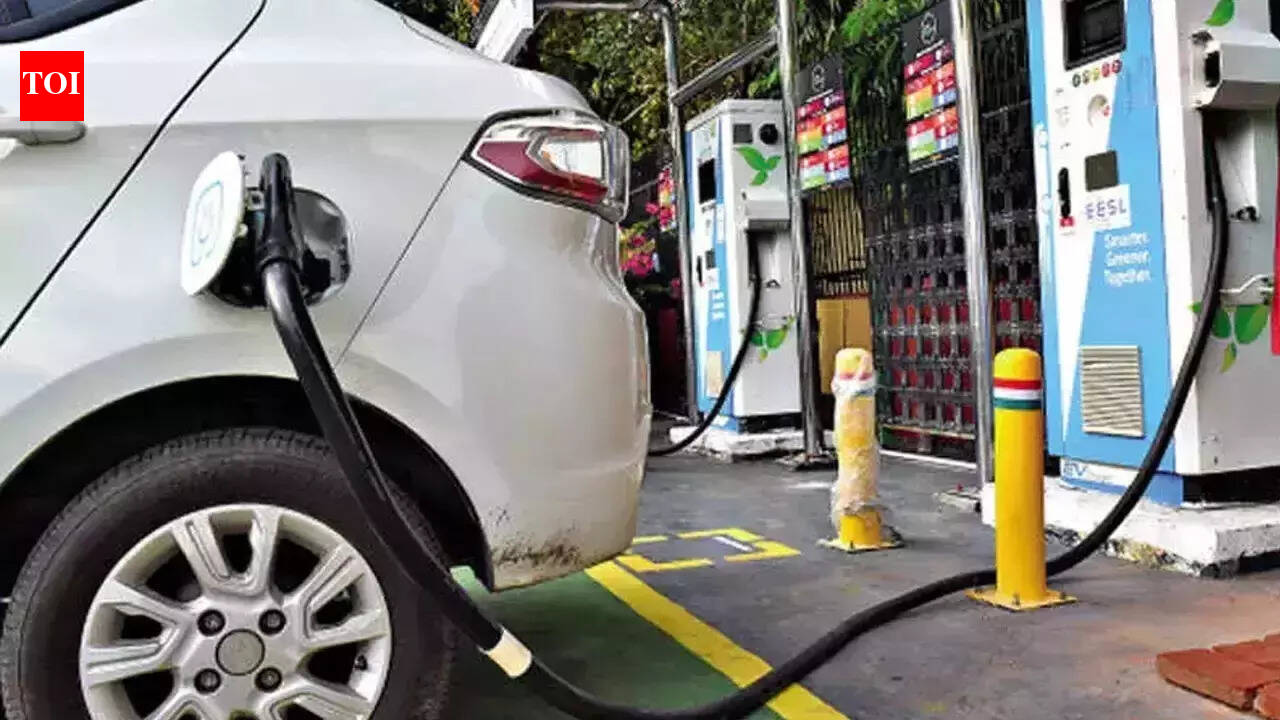
The report, published in Business Today, highlights that the growth will be supported by new model launches, aggressive sales strategies by automakers, and continued improvements in charging infrastructure, which are expected to accelerate consumer adoption of electric vehicles.
For manufacturing stakeholders, the rising EPV volumes signal increasing demand for EV components, battery packs, and charging equipment, though the source does not provide specific factory capacity data or investment announcements. The forecast underlines the shift in India’s automotive landscape toward electric mobility, with implications for supply chain planning and production capacity allocation.
Sources: