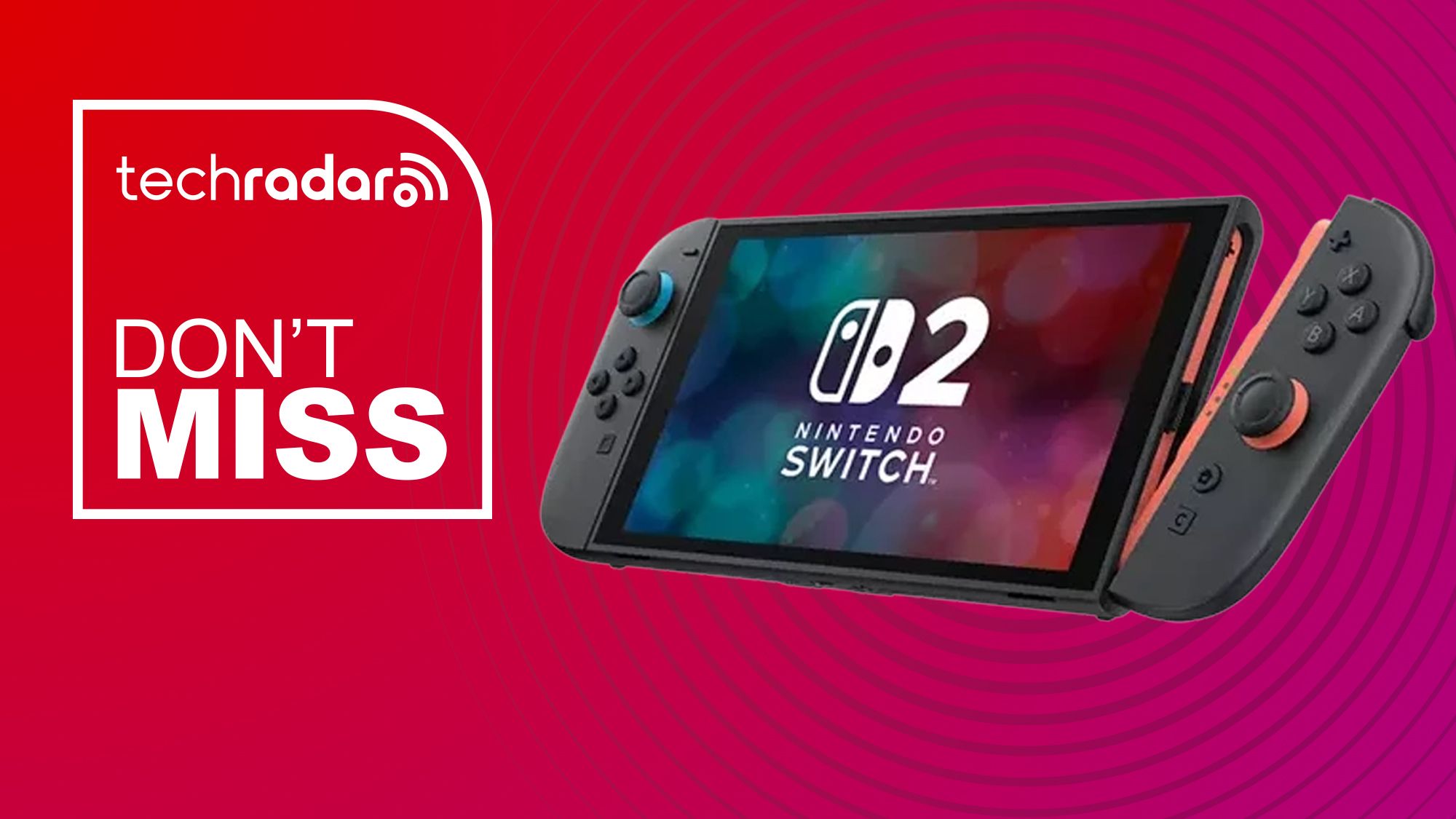
Nintendo will increase the Australian price of its Switch 2 console by AU$70 to AU$769.95 starting September 1, according to TechRadar. The company described the hike as a “response to various market conditions,” specifically pointing to industry-wide higher component costs caused by AI-driven shortages. For procurement professionals tracking electronics supply chains, this confirms that demand from AI applications continues to strain semiconductor and component availability, raising input costs for OEMs.
Component Cost Pressures from AI-Driven Shortages
According to TechRadar, Nintendo attributed the price increase directly to higher component costs stemming from AI-driven shortages. This aligns with broader trends in the electronics manufacturing sector where AI chip demand has diverted production capacity away from consumer electronics components, leading to longer lead times and higher prices. The Switch 2 relies on an Nvidia Tegra T239 processor and 12 GB of RAM — components that compete with AI-oriented chipsets for wafer allocation and advanced packaging capacity.
Switch 2 Specifications and Manufacturing Implications
The Switch 2 features an Nvidia Tegra T239 processor, 12 GB of RAM (up from 4 GB in the original Switch), and 256 GB of internal storage. It supports up to 4K and 1440p resolution with a 120 Hz refresh rate. The battery is a 5,220 mAh unit rated for 2–6.5 hours, though TechRadar noted actual run times of 2–5 hours. These specifications imply a higher bill of materials compared to the predecessor, putting additional cost pressure on Nintendo’s supply chain. The console is also backward compatible, preserving the existing game library.
Price Timeline and Current Deal
| Price Point | Amount (AU$) | Notes |
|---|---|---|
| Current RRP | 699.95 | Pre-increase suggested retail price |
| New RRP (from Sep 1) | 769.95 | AU$70 increase |
| EOFY deal on Amazon (June 2026) | 629 | Amazon’s lowest Australian price, 22% cheaper than future RRP |
The EOFY deal offers the console at AU$629, which TechRadal notes is Amazon’s lowest price in Australia to date. After the September increase, this discount will represent roughly 22% savings compared to the new RRP. Nintendo’s announcement came in May 2026, giving consumers approximately three months to purchase before the higher price takes effect.
For manufacturing procurement teams, the Switch 2 price trajectory serves as a case study in how AI-driven demand cascades through component markets. The increase from AU$699.95 to AU$769.95 is a direct reflection of semiconductor cost inflation, a trend likely to persist as AI infrastructure investment continues. Procurement managers should monitor component allocation dynamics for consumer electronics as AI chip production absorbs growing fabrication capacity.
Sources: