Major telehealth and pharmacy companies are ramping up peptide manufacturing capacity in anticipation of a U.S. Food and Drug Administration (FDA) reclassification that could open the door to widespread compounding of custom peptide mixes, according to a WIRED report.
The FDA will hold a meeting on July 23 and 24 to discuss reclassifying a group of peptides, which would reverse a 2021 Biden Administration decision that barred certain peptides from being compounded. Although career scientists at the agency have recommended against reclassification, many industry insiders believe the committee—which includes peptide boosters—will approve the change.
Factory Capacity and Investment
Telehealth juggernaut Hims & Hers Health purchased a peptide manufacturing facility in February 2025, according to the company's chief medical officer Anant Vinjamoori, who is slated to testify at the FDA hearing. The company is currently developing clinical protocols for peptides but plans to wait for regulatory clarity before launching products. "We don't want to be necessarily first to market. We want to be best," Vinjamoori said.
Olympia Pharmaceuticals, a compounding pharmacy, has been "spending a lot of money to create these formulas" to be ready if the FDA gives the green light, according to its president Joshua Fritzler. Similarly, Mochi Health CEO Myra Ahmad stated, "We’re getting everything ready to go. We have pharmacies that have done all their safety testing stuff, they’re putting pricing together."
| Company | Action | Investment / Timeline |
|---|---|---|
| Hims & Hers Health | Purchased a peptide manufacturing facility | February 2025; clinical protocols in development |
| Olympia Pharmaceuticals | Created peptide formulas | Significant undisclosed spend |
| Unnamed pharmacy clients of Sapho Bio | Testing multiple products | ~$100,000 per product |
Sapho Bio, a biotech firm that validates peptide formulas for clients, reports that some pharmacies are testing multiple products already at significant cost. Research scientist Cameron Bravo said, "They're probably investing something like $100,000 into these before they're even fully out yet." Sapho Bio has tested BPC-157 and MOTS-c, among others.
Regulatory Context
The FDA meeting on July 23-24 will decide whether to reclassify a group of peptides so that pharmacies can legally produce custom mixes via compounding. The 2021 Biden Administration had barred certain peptides from being compounded. Even if the committee approves reclassification, the process is far from over. Gerard Olson, recently director of research at LegitScript (a certification provider for telehealth and pharmacies), noted, "It’s a long-winded process," involving a review period and public comment before final rules.
Industry Positioning
Telehealth companies like Mochi Health, which originally focused on GLP-1 medications, are pivoting to peptides. Cole Thomas, director of sales and operations at RxConnexion, said some of their compounding pharmacy clients are already testing popular peptides such as BPC-157, part of the so-called "Wolverine stack."
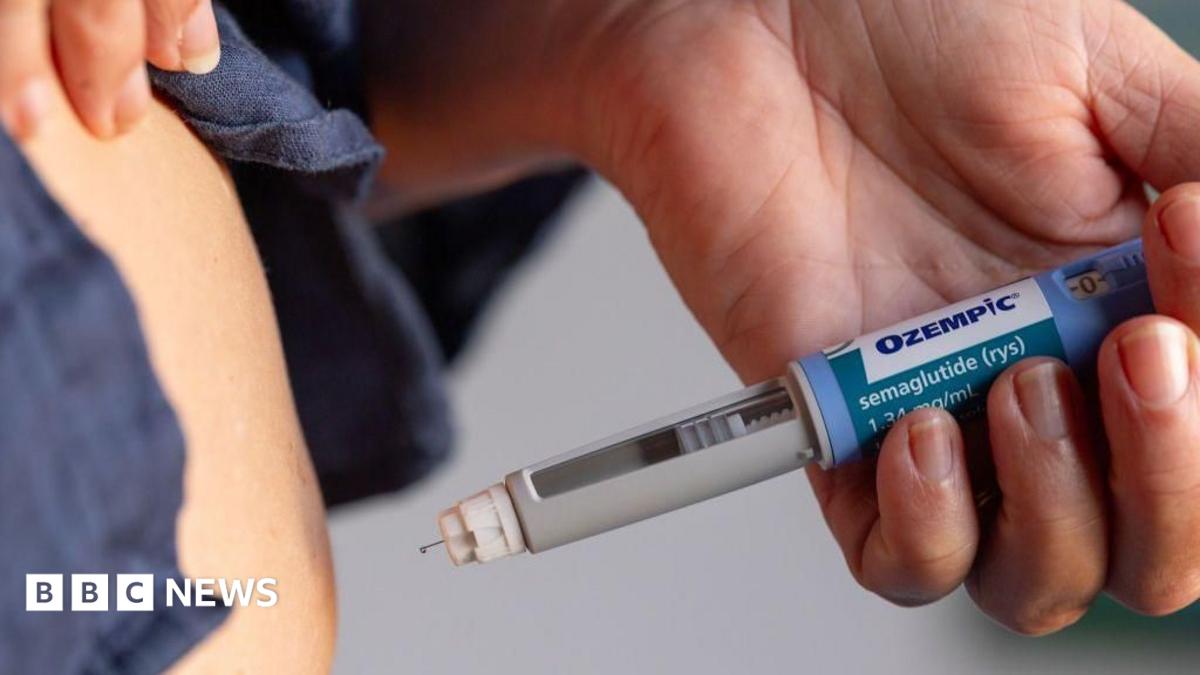
The GLP-1 boom has already acclimated consumers to injectable medications at home, creating a ready market. However, many players are eager to expand beyond GLP-1s into the broader peptide category.
Production Timeline
- FDA meeting: July 23–24, 2026 (decision on reclassification).
- Next steps: FDA will propose rules and open public comment period—no immediate green light.
- Hims & Hers plans to enter market only after regulatory clarity; facility already purchased.
- Olympia Pharmaceuticals and other compounders have formulas ready but await final FDA approval.
For manufacturing executives, the lesson is that regulatory catalysts can drive sudden capacity investments. The peptide manufacturing buildout mirrors earlier GLP-1 expansions, but with a longer regulatory runway. Companies that prepared early—like Hims & Hers and Olympia—may have a competitive advantage when the market opens, provided the FDA ultimately approves reclassification.