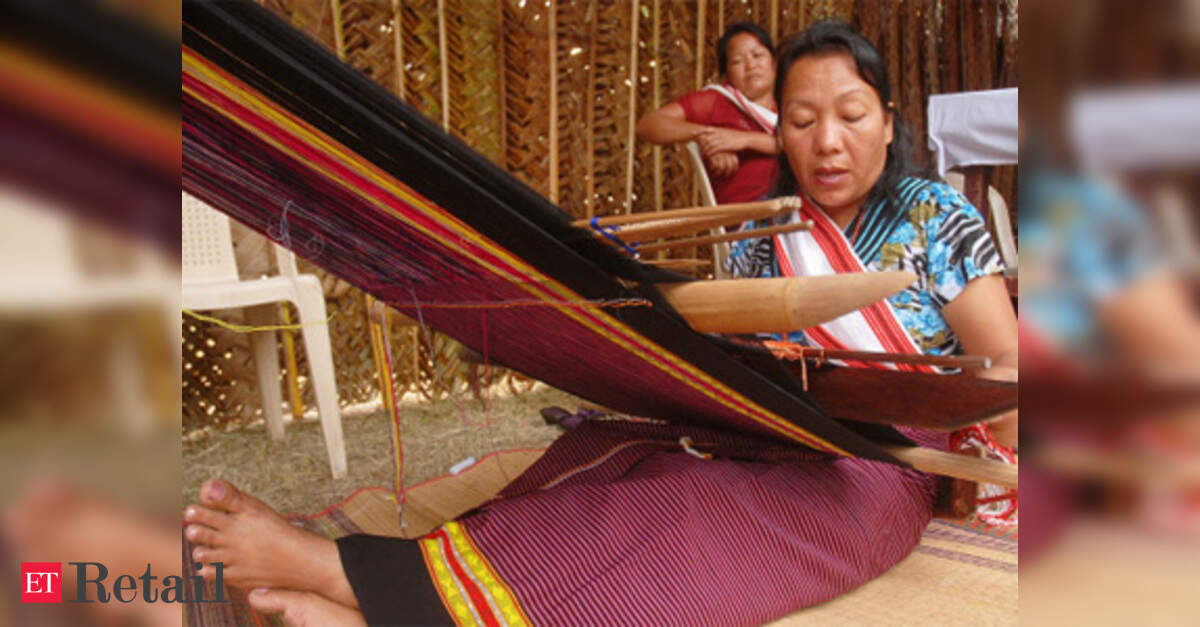
The government aims to raise the annual income of handloom weavers to at least Rs 6 lakh, according to Industries, and has launched a Centre of Excellence for Handloom Technology (CoE-HT) at IIT Delhi to drive research, skill development and digital transformation across the handloom value chain.
Income target: at least Rs 6 lakh per annum
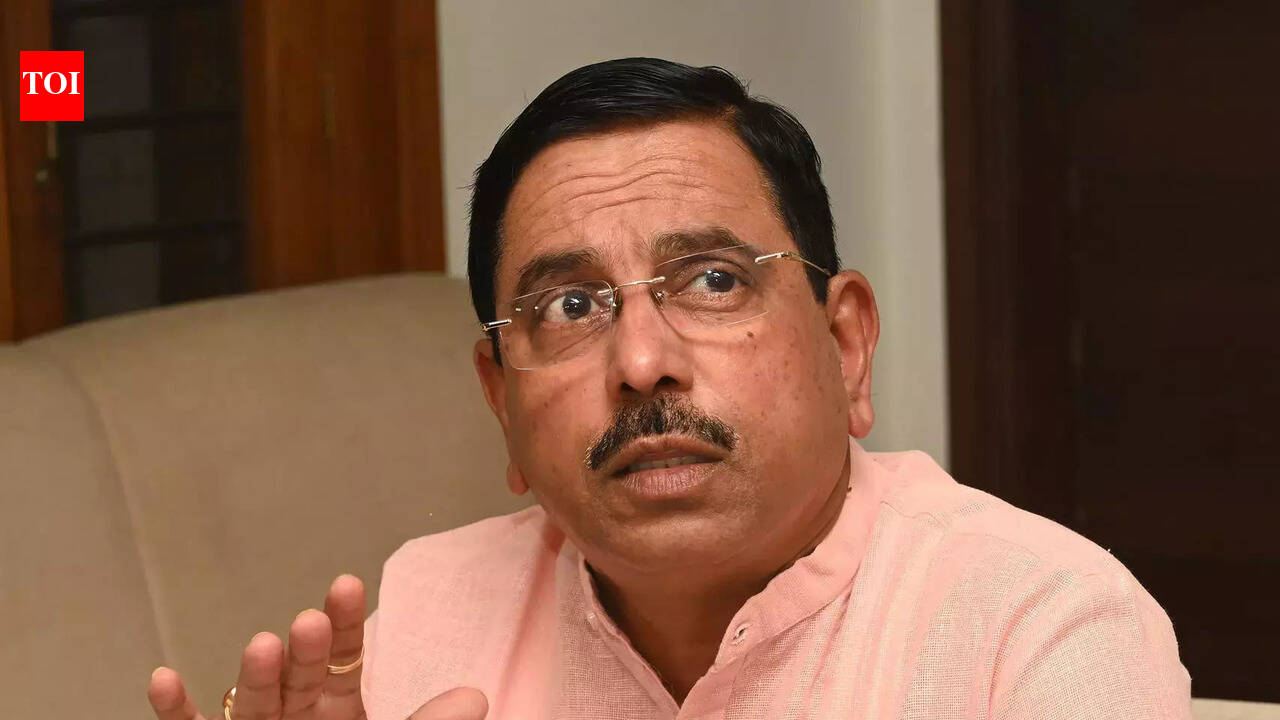
Speaking at the inauguration of the CoE-HT, Singh expressed confidence that the initiative would significantly improve livelihoods. "In the coming days, weavers will have an income of at least Rs 6 lakh per annum," he said, according to Industries. The income target is the headline goal of the government's push to raise living standards throughout the handloom value chain. Industries reported that the government aspires for weavers to achieve an annual income of no less than six lakh rupees.
Centre of Excellence: research, AI and skilling
The CoE-HT at IIT Delhi will focus on research in areas including loom modernisation, ergonomics, artificial intelligence, sustainability, functional innovation and digital technologies, according to Industries. It is also tasked with establishing a national repository of handloom knowledge, developing AI-enabled tools, facilitating technology transfer and supporting startups. Over the next five years, the centre will train at least 1,000 weavers, faculty members and handloom professionals, Industries reported.
Five initiatives to digitalise the handloom value chain
Alongside the CoE-HT, the government unveiled five new initiatives aimed at digital transformation and startup support, according to Industries. They are:
| Initiative | Purpose |
|---|---|
| Handloom 4.0 | Digital loom monitoring mobile app |
| Handloom e-Vidya | Online learning and skill development |
| HandloomX | Support for startups |
| Kalagriha Handloom Studio | Digitally enabled design and customization |
| Threads of Valour | Converts recycled defence textiles into premium handloom fabrics |
Handloom 4.0 introduces digital loom monitoring for real-time production oversight, while Handloom e-Vidya provides online learning and skill development. HandloomX is designed to support startups in the handloom ecosystem, and Kalagriha Handloom Studio promotes digitally enabled design and customisation. Threads of Valour converts recycled defence textiles into premium handloom fabrics, adding a circular-materials dimension to the sector, according to Industries.
Collaboration across academia, industry and government
Textiles Secretary Neelam Shami Rao underscored the importance of stronger collaboration among academia, industry and government institutions to develop practical, technology-driven solutions for the handloom sector, according to Industries. Development Commissioner (Handlooms) Dr. M. Beena said the CoE-HT would serve as a hub for research, innovation, knowledge sharing and skill development, creating new opportunities for weavers, designers, entrepreneurs and startups across the handloom value chain.
Manufacturing impact and production timeline
The technology transfer and loom modernisation agenda is directly relevant to factories and production planning in the handloom and textiles sector. The AI-enabled tools and the national repository of handloom knowledge aim to standardise and upgrade production methods, while the training of 1,000 weavers and professionals over the next five years is expected to build a more skilled factory-floor workforce. The initiatives were launched at the CoE-HT inauguration; the training and repository development are scheduled to take place over the five-year period following the launch, according to Industries. For procurement and sourcing teams, the digital loom monitoring platform and startup support infrastructure signal a push toward more transparent, technology-monitored handloom production capacity.
Sources: