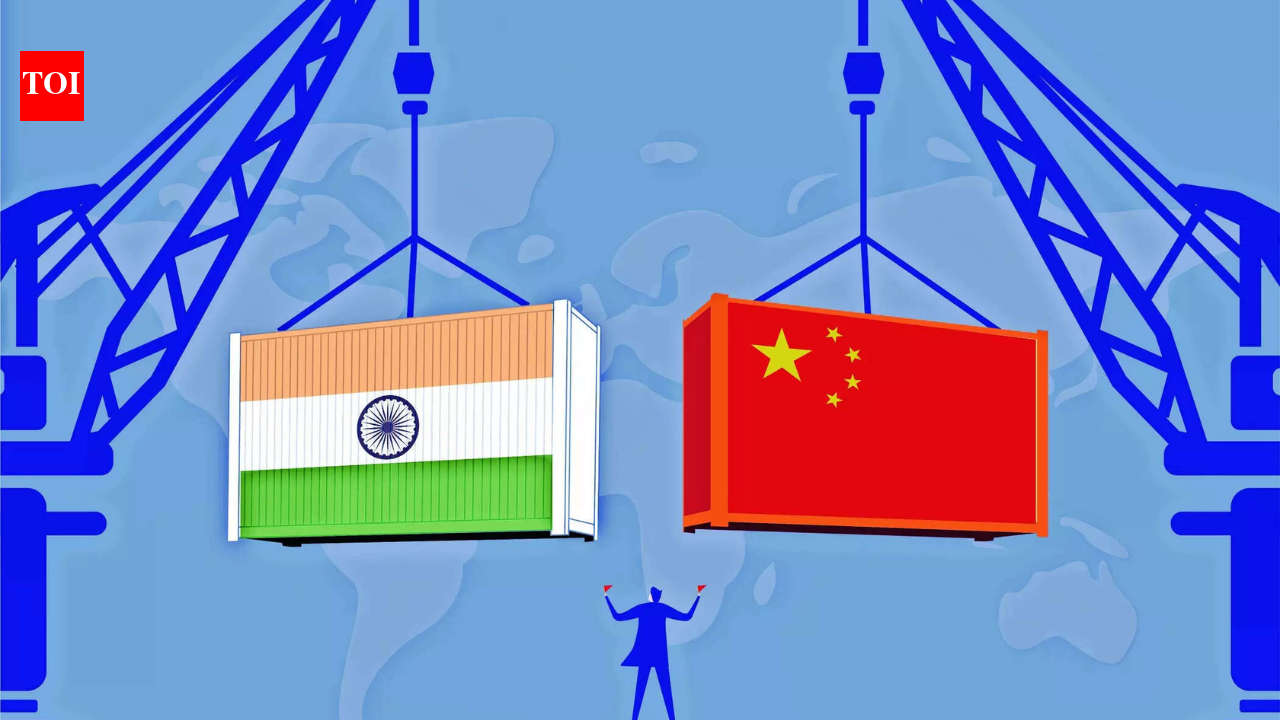
India has initiated an anti-dumping probe against imports of Resorcinol from China and Japan, a chemical widely used in the manufacture of tyres and rubber products. The investigation was launched by the Directorate General of Trade Remedies (DGTR) following a complaint from domestic producer Atul Ltd, according to a report by the Economic Times on June 19, 2026.
The applicant alleged that the cheap imports of Resorcinol are significantly harming the domestic industry. The DGTR, after examining the prima facie evidence submitted by Atul Ltd, stated: "On the basis of the duly substantiated application filed by the applicant and having satisfied itself, on the basis of the prima facie evidence submitted by the applicant, regarding dumping of the subject goods...the authority hereby initiates an anti-dumping investigation."
What Is Under Investigation
The scope of the probe covers Resorcinol, a chemical compound classified under certain HS codes (not specified in the source). The investigation will focus on imports from two countries:
- China
- Japan
The DGTR will determine the existence, degree, and effect of the alleged dumping of Resorcinol exported from these two countries.
Who Is Affected
This investigation directly affects:
| Stakeholder | Impact |
|---|---|
| Atul Ltd (domestic producer) | Filed the complaint; stands to benefit if duties are imposed. |
| Chinese exporters of Resorcinol | Subject to investigation and potential anti-dumping duties. |
| Japanese exporters of Resorcinol | Subject to investigation and potential anti-dumping duties. |
| Indian importers of Resorcinol | May face higher costs if duties are levied. |
| Indian tyre and rubber manufacturers | End-users of Resorcinol; may experience input cost increases. |
Anti-Dumping Process and WTO Framework
Anti-dumping probes are conducted by countries to determine whether domestic industries have been hurt because of a surge in cheap imports. As a countermeasure, countries impose anti-dumping duties under the multilateral regime of the World Trade Organisation (WTO) in Geneva. The duty is aimed at ensuring fair trading practices and creating a level playing field for domestic producers vis-à-vis foreign producers and exporters. India, China, and Japan are all members of the WTO.
Next Steps and Compliance
The DGTR will now conduct a detailed investigation to establish:
- The existence of dumping (export price below normal value)
- The degree of dumping (dumping margin)
- The effect on the domestic industry (material injury or threat thereof)
Interested parties, including foreign producers, exporters, and Indian importers, are expected to provide information and cooperate with the investigation. The DGTR will issue a notification with timelines for submitting responses and participating in hearings. The final determination may recommend the imposition of anti-dumping duties, which would be enforced by the Ministry of Finance.
Broader Context
India has already imposed anti-dumping duties on several products to tackle cheap imports from various countries, including China, according to the Economic Times report. This probe is part of an ongoing pattern of trade remedy measures by India to protect domestic industries from foreign competition.
"The authority hereby initiates an anti-dumping investigation," the DGTR's notification said.
Trade compliance officers should monitor the official DGTR notifications for deadlines and submission requirements. Customs brokers and importers of Resorcinol from China and Japan should prepare for potential duty increases and ensure proper documentation for any ongoing or future shipments.
Sources: