
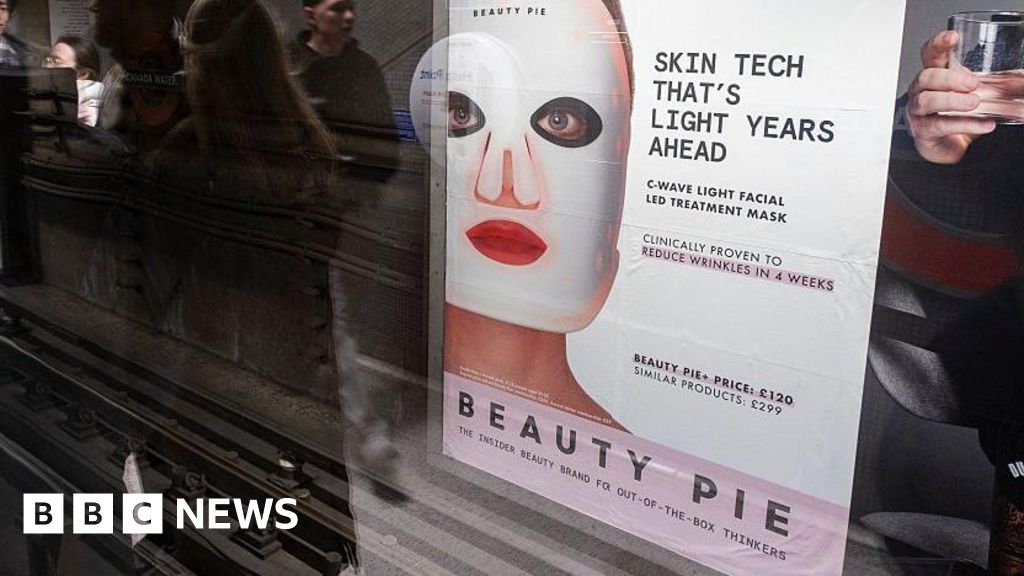
Effective immediately, the Advertising Standards Authority (ASA) has banned an advertisement by Beauty Pie for its LED face mask due to misleading anti-wrinkle claims. The ad, which appeared on the London Underground, claimed the mask was "clinically proven to reduce wrinkles in four weeks," a statement the ASA found unsupported by sufficient evidence.
Misleading Claims and Insufficient Evidence
The ASA's decision was based on the lack of robust, product-specific evidence to substantiate the claims made in the advertisement. Beauty Pie conducted a trial with 28 participants aged 30 to 65 over four weeks. However, the ASA deemed this sample size "relatively small" and noted the absence of a placebo group as a significant limitation. Furthermore, the trial involved the use of additional products not sold with the mask, which could have influenced the results.
Impact on Beauty Pie
Beauty Pie, a membership-based cosmetics firm, markets its products as luxury formulas at affordable prices. The C-Wave Light Facial LED mask is priced at £199 for members and £299 for non-members, which the company claims is cheaper than similar products. Despite these claims, the ASA ruled that the ad was misleading and ordered Beauty Pie not to make such claims without adequate evidence.
Compliance Obligations
- Evidence Requirements: Companies must provide robust, product-specific evidence to support claims made in advertisements.
- Trial Design: Ensure trials include adequate sample sizes and control groups to substantiate claims.
- Product Use: Claims should reflect the product's use as sold, without additional products unless specified.
Penalties for Non-Compliance
The ASA's ruling requires Beauty Pie to cease making unsupported claims. While the ASA does not impose fines, non-compliance can lead to reputational damage and further regulatory scrutiny.
Resources and Guidance
- Advertising Standards Authority (ASA): Provides guidelines on advertising claims and evidence requirements.
- Industry Associations: Organizations like the World Federation of Advertisers (WFA) offer guidance on ethical advertising practices.
The ASA's decision underscores the importance of evidence-based advertising in the cosmetics industry. Compliance officers and legal teams should ensure that all claims are substantiated by robust evidence to avoid regulatory action.
Sources:


