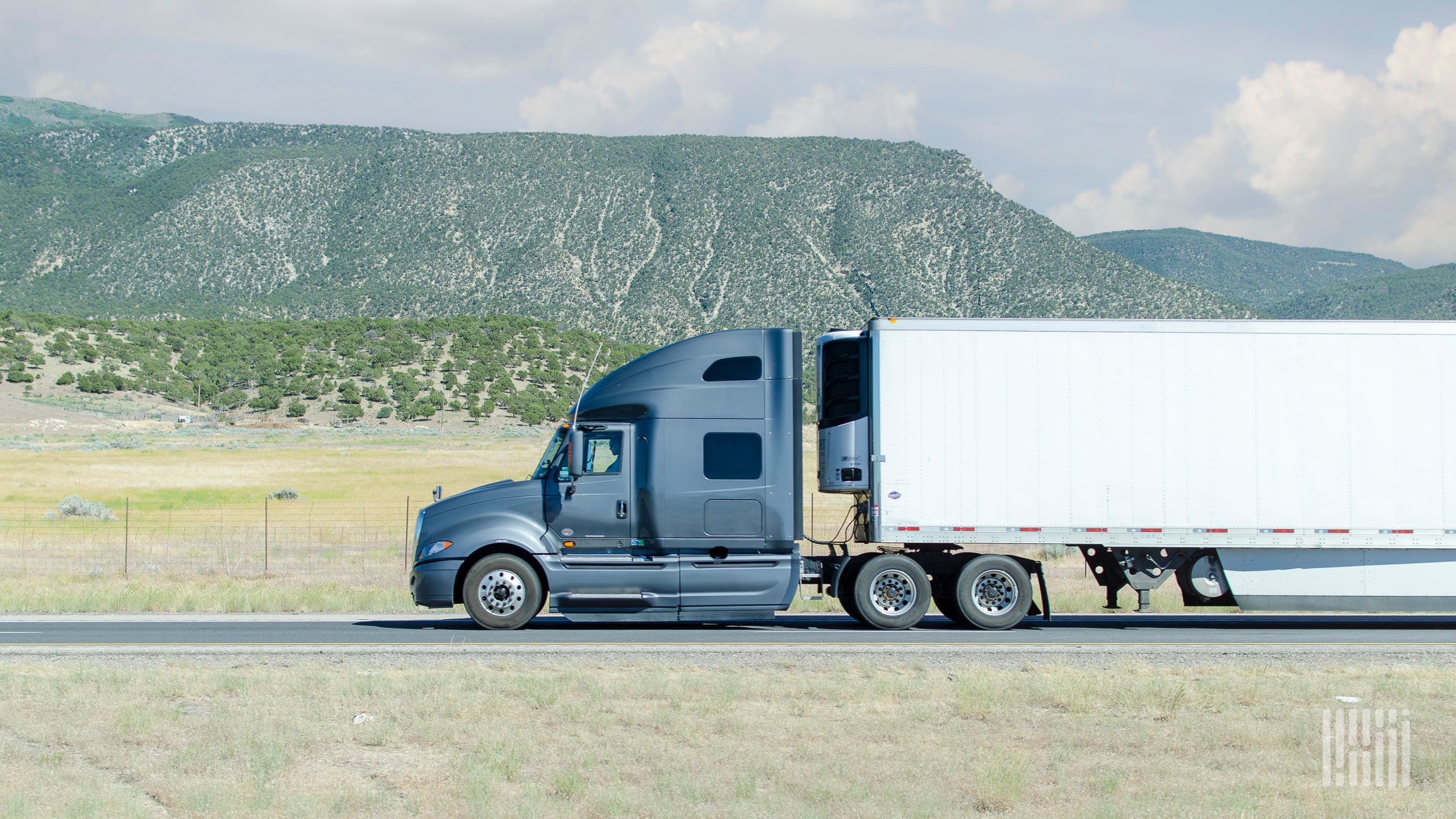
On July 9, 2026, the Environmental Protection Agency signed a proposed rule that would stop new diesel engines from cutting a truck’s speed when the emissions system throws a fault. Instead of a derate, the driver gets a beep and a light. A virtual hearing is set for July 29 and 30, and written comments close Aug. 29, according to FreightWaves.
EPA's Shift on Derate Mandates
The rule marks a dramatic turnaround. Sixteen years after the EPA required manufacturers to develop a strategy to slow a loaded truck to 5 mph on an interstate shoulder when an emissions fault occurs, the agency now says its own mandate causes “needless frustration, operational delays, and real economic hardship.” Those are EPA’s own words on its website, per FreightWaves.
Under the current inducement rules at 40 CFR 1036.111, an engine must begin derating on a DEF quality reading outside the manufacturer’s spec, or on open-circuit faults in the DEF tank level sensor, the DEF pump, the quality sensor, the SCR harness, the NOx sensors, the dosing valve, or the tank heater. Any one of those. Not an emissions exceedance — a sensor. The regulation derates the truck for a broken wire. The proposed rule would replace that derate with a dashboard beep and warning light.
Pardons and Prosecutorial Discretion
Six days before the proposal, President Trump pardoned nine men convicted of defeating the exact emissions system the agency now admits is broken. (Two other pardons in the same batch were unrelated; the accurate number for “diesel guys” is nine.) One of the nine, Mac Spurlock of Matanuska Diesel in Wasilla, Alaska, had his shop raided in 2022 by roughly 30 armed EPA agents. His crime was modifying emissions systems so trucks would not shut down at minus 40 degrees Fahrenheit.
However, a presidential pardon reaches federal criminal punishment only. It does not reach a civil judgment, a consent decree, or the statute itself. Kory Willis, who built PPEI in Lake Charles, La., into what he described as the largest custom tuning company in the world, was not on the pardon list. Even if he had been, it would not have freed him: he remains bound by a consent decree that bars him from the trade forever, enforcing a rule the government no longer believes in.
Compliance Obligations Under 40 CFR 1036.111
For now, the existing obligations remain in effect until the rule is finalized. Under 40 CFR 1036.111, any of the following faults trigger a mandatory derate:
- DEF quality reading outside manufacturer spec
- Open-circuit faults in DEF tank level sensor, DEF pump, quality sensor, SCR harness, NOx sensors, dosing valve, or tank heater
| Aspect | Current Rule (since ~2010) | Proposed Rule (July 2026) |
|---|---|---|
| Fault response | Derate to 5 mph | Beep and warning light |
| Example trigger | DEF quality sensor reading 21% vs 32.5% | Same sensor, no derate |
| Emergency vehicles | Ambulances and fire apparatus exempted (2012) | Proposed: emergency override for stationary/nonroad engines |
| Military vehicles | No general exemption | Tactical military vehicles can be exempted (source truncated) |
FreightWaves illustrates the real-world impact: a 52-year-old owner-operator dropping from 65 to 5 mph in the left lane of I-81 outside Roanoke, 44,000 pounds behind him, at night, in the snow, because a DEF quality sensor is reading 21% instead of 32.5. The government’s position, under binding regulation, is that this is an appropriate incentive for maintaining your equipment.
Penalties and Enforcement Landscape
Even if the proposed rule is finalized, civil liability remains severe. Per FreightWaves, the penalties are:
- $45,268 per tampered vehicle
- $4,527 per defeat device sold
And California Air Resources Board (CARB) has not moved an inch. CARB operates under its own authority and budget and does not consult the DOJ’s mood. The Blanche memo — which instituted prosecutorial discretion for emissions defeat — is reversible by the next deputy attorney general with a one-page memo. The Clean Air Act itself has not been repealed. The behavior remains unlawful; only the federal enforcement posture has changed.
National Security Implications
The article positions the EPA’s diesel regulation as a national security issue because trucking is the backbone of logistics. EPA has already carved out ambulances and fire apparatus from the derate in 2012 because a vehicle losing power en route to a trauma center was unacceptable. It is now proposing an emergency override for stationary and nonroad engines when human life is at risk. Tactical military vehicles can also be exempted. Compliance officers should monitor the rulemaking closely, as changes to derate requirements could affect military supply chains and domestic transportation infrastructure.
Resources and Compliance Guidance
- Virtual hearing: July 29 and 30, 2026
- Written comments due: Aug. 29, 2026
- Current regulation: 40 CFR 1036.111
- Comments can be submitted via EPA’s docket portal. Industry associations likely to issue guidance include the Trucking Association and the American Petroleum Institute. Businesses should consult with trade compliance and environmental counsel to understand obligations under the current and proposed rules.
Sources: