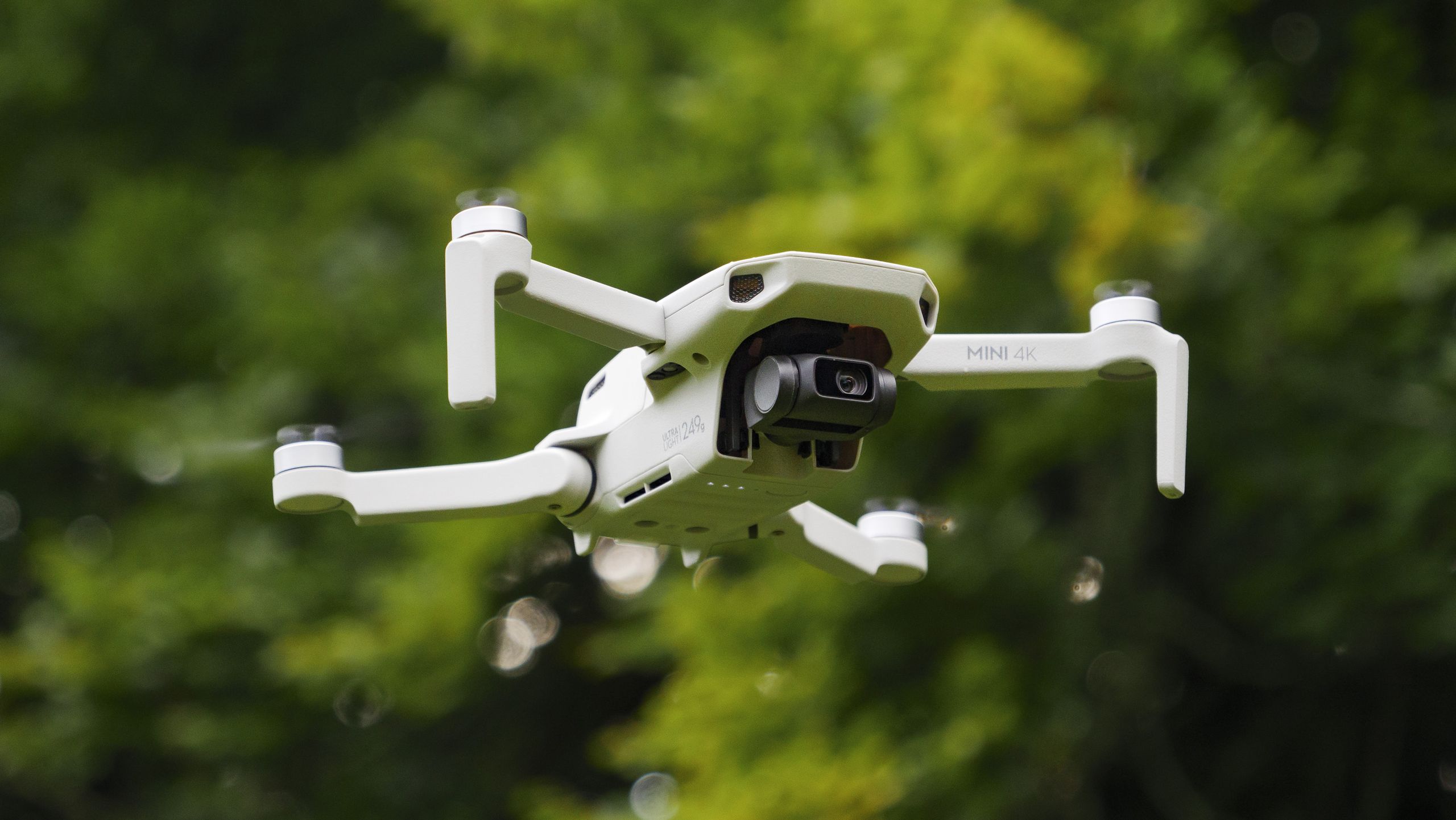
If you are a drone operator planning to fly near any of the 11 US host cities for the FIFA World Cup 2026, be warned: the FBI is actively seizing drones and issuing citations. According to TechRadar, the FBI's Counter Drone Enforcement Team has already confiscated multiple drones and fined operators during early matches, with a zero-tolerance policy in effect.
What the No-Fly Zones Cover
The Federal Aviation Administration (FAA) has designated World Cup stadiums as strict "No Drone Zones" on match days. The restricted airspace extends 3 nautical miles (approximately 5.5 km) in radius and up to 3,000 feet above ground level around the primary stadiums, as TechRadar reported. For fan festival venues such as the L.A. Memorial Coliseum, the ban covers a 1-nautical-mile radius up to 1,000 feet.
Similar temporary flight restrictions (TFRs) apply at other host venues including Levi’s Stadium (Santa Clara), Lumen Field (Seattle), Gillette Stadium (Boston), and MetLife Stadium (New Jersey), which will host the final. TechRadar advises that airspace around stadiums may be locked down on any day during the tournament, not just during matches.
Enforcement Actions and Penalties
The FBI has been explicit about its enforcement approach. TechRadar detailed that in Los Angeles, around 15 drones were seized near SoFi Stadium and the L.A. Memorial Coliseum over a single weekend, with multiple operators cited. In Miami, the FBI’s Miami division confiscated nine drones and fined seven operators near Hard Rock Stadium and Bayfront Park Fan Festival. The FBI’s Atlanta office also reported seizing drones from three operators.
Amir Ehsaei, special agent in charge of counterterrorism and crisis response at the FBI’s LA Field Office, stated: “We have a zero-tolerance policy when it comes to drones violating the temporary flight restrictions.” Similarly, Brett Skiles, special agent in charge of FBI Miami, said: “Public safety is our top priority. Our agents and law enforcement partners are authorized by the Department of Justice to use specialized mitigation tools to intercept and seize drones that breach these restrictions.”
Violators face fines up to $100,000 and federal penalties, according to TechRadar. Drones are seized and operators may be subject to further legal action.
Compliance Obligations for Drone Operators
All drone pilots — whether recreational or commercial — must comply with the FAA TFRs. The key obligations are:
- Check TFRs before each flight: Use the FAA’s B4UFLY app or website to verify active restrictions in host cities.
- Maintain distance: Do not operate within the 3-nautical-mile radius of any World Cup stadium on match days, or the 1-nautical-mile radius for fan zones.
- Altitude limits: Stay below 3,000 feet near primary venues and 1,000 feet near secondary venues.
- No exceptions for small drones: Even micro-drones and consumer models are subject to seizure and fines.
| Venue | Restricted Radius | Altitude Limit | Notes |
|---|---|---|---|
| SoFi Stadium (Los Angeles) | 3 nautical miles | 3,000 ft AGL | Match days |
| L.A. Memorial Coliseum | 1 nautical mile | 1,000 ft AGL | Fan festival |
| Hard Rock Stadium (Miami) | 3 nautical miles | 3,000 ft AGL | Match days |
| Bayfront Park Fan Festival (Miami) | 1 nautical mile | 1,000 ft AGL | Fan festival |
| MetLife Stadium (New Jersey) | 3 nautical miles | 3,000 ft AGL | Final match |
| Other host stadiums | 3 nautical miles | 3,000 ft AGL | Match days |
Regulatory Bodies and Resources
The primary regulatory bodies involved are the FBI (enforcement) and the FAA (establishing TFRs). According to TechRadar, the FAA designates the no-drone zones and the FBI carries out seizure and citation actions. The FBI’s Counter Drone Enforcement Team is specifically tasked with intercepting violating drones.
Drone operators should consult the FAA’s official TFR list and can monitor updates from local FBI field offices. Industry associations such as the Association for Unmanned Vehicle Systems International (AUVSI) may also provide guidance on compliance, though the source did not mention this — we only include what is in the source.
Given the zero-tolerance policy and the significant penalties, trade compliance professionals and drone operators alike must ensure strict adherence to TFRs to avoid equipment seizure and fines. The enforcement actions observed in Atlanta, Los Angeles, and Miami demonstrate that the FBI is actively monitoring and will not hesitate to confiscate drones.
Sources: