Effective June 17, 2026, Brazil will implement new biofouling regulations under NORMAM-401/DPC Chapter 4, issued by the Brazilian Navy’s Directorate of Ports and Coasts (DPC). These rules, aimed at protecting marine environments, apply to all commercial vessels over 24 meters operating in Brazilian jurisdictional waters or trading between the country's coastal biogeographical zones.
Regulation Overview
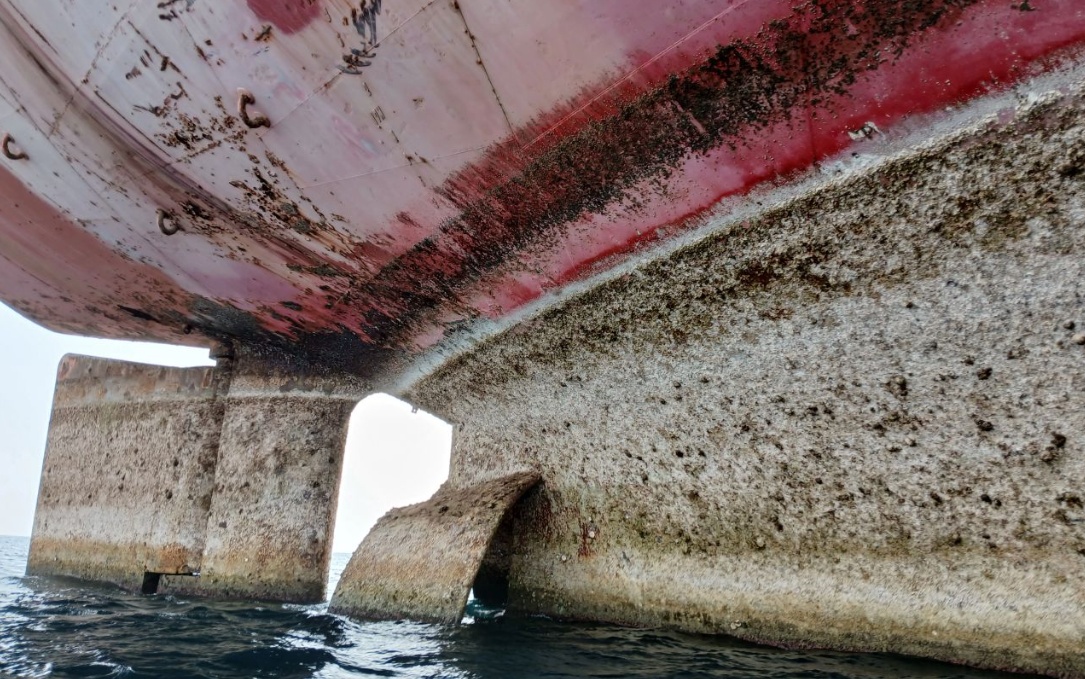
The biofouling regulations require vessels to maintain a Biofouling Management Plan and an up-to-date Biofouling Record Book in accordance with the International Maritime Organization’s (IMO) 2023 biofouling guidelines. Ships must also carry a valid hull inspection or cleaning report, complete with high-resolution images demonstrating a biofouling level of no more than Level 1, which is described as a microfouling or slime layer. Any visible macrofouling classified as Level 2 or above will necessitate immediate corrective action.
Compliance Requirements
- Biofouling Management Plan: Vessel-specific plan required.
- Biofouling Record Book: Must be up-to-date.
- Hull Inspection Report: Must include high-resolution images.
- Level 1 Biofouling: Acceptable level; corrective action required for Level 2 or above.
- In-Water Hull Cleaning: Restricted unless authorized residue-capture systems are used.
Enforcement and Penalties
Although the regulations take effect in 2026, full mandatory enforcement, including penalties and sanctions, will begin on January 10, 2028. Non-compliance could result in "immediate operational sanctions, including port entry denials, vessel detentions, and fines of up to BRL50 million ($9 million)," according to guidance from GAC.
Industry Guidance and Support
The Brazilian Maritime Authority emphasizes that the rules are designed to provide operational planning, predictability, and progressive adaptation, balancing environmental protection with maritime trade realities. GAC advises shipowners to prepare well ahead of the 2028 deadline, offering services such as pre-arrival document reviews, compliance screening, and support with inspections and exemption procedures to help vessels avoid delays, penalties, or operational disruptions.
| Requirement | Description |
|---|---|
| Biofouling Management Plan | Vessel-specific plan required |
| Biofouling Record Book | Must be up-to-date |
| Hull Inspection Report | Must include high-resolution images |
| Level 1 Biofouling | Acceptable level |
| In-Water Hull Cleaning | Restricted unless authorized systems used |
The new regulations underscore the importance of environmental compliance in maritime operations, urging companies to integrate these requirements into their operational planning to avoid significant financial penalties and operational disruptions.
Sources: